Har du nogensinde stoppet op for at læse ingredienserne i din mundskyl? Mange af os genovervejer vores daglige mundplejeprodukter og søger alternativer fri for alkohol og syntetiske kemikalier. Den voksende interesse for naturlige mundskyllevand afspejler et bredere skift i retning af at forstå, hvordan disse produkter interagerer med vores orale mikrobiom. At navigere i mulighederne kræver dømmekraft, da den bedste naturlige mundskyl til dig afhænger af at tilpasse ingredienserne til dine specifikke sundhedsbehov og værdier.
Hvorfor overveje at skifte til naturlig mundskyl?
Traditionelle mundskyllemidler indeholder ofte alkohol, som kan udtørre munden. Uden tilstrækkelig spytproduktion trives skadelige bakterier, hvilket potentielt forværrer dårlig ånde over tid. Derudover eliminerer nogle konventionelle formler både skadelige og gavnlige bakterier vilkårligt, hvilket potentielt forstyrrer den fine balance i dit orale mikrobiom.
Det betyder ikke, at traditionelle mundskyllemidler er uden værdi – de er ofte klinisk bevist at reducere plak og tandkødsbetændelse. Men for dem, der søger en mere skånsom tilgang eller ønsker at undgå visse syntetiske ingredienser, tilbyder naturlige alternativer en overbevisende mulighed.
Naturlige mundskyllemidler undgår typisk ingredienser som alkohol, kunstige farver, sødestoffer og skrappe antimikrobielle stoffer som chlorhexidin, som, selvom de er effektive til specifikke tandproblemer, kan forårsage misfarvning af tænderne ved langvarig brug. I stedet udnytter de kraften i plantebaserede ingredienser og æteriske olier til at rense og friske munden op.
Vigtige ingredienser at kigge efter i en naturlig mundskyl
Når du søger efter den bedste naturlige mundskylning, så gør dig bekendt med effektive naturlige ingredienser, som tandforskning understøtter:
Æteriske olier
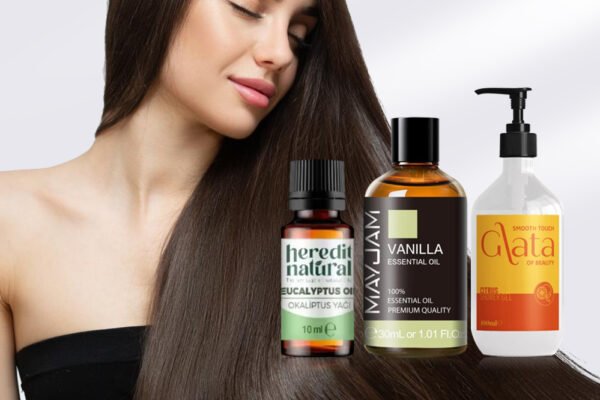
Ingredienser som tea tree-, myrra-, pebermynte- og eukalyptusolier har vist antimikrobielle egenskaber. Forskning har vist, at visse æteriske olier kan hjælpe med at reducere plak og tandkødsbetændelse. En nylig undersøgelse af æterisk olie fra Etlingera pavieana viste, at den var effektiv mod orale streptokokker og biofilm, hvilket antyder potentialet i plantebaserede alternativer.
Plantebaserede ekstrakter
Kig efter ingredienser som neem, aloe vera, echinacea og calendula. Især neem er blevet undersøgt og har sammenlignet dets effektivitet med chlorhexidin, med færre potentielle bivirkninger. Aloe vera og calendula er kendt for deres lindrende egenskaber, der er gavnlige for dem med følsomt tandkød.
Naturlige mineraler
Nogle naturlige formuleringer kan indeholde zink, som hjælper med at bekæmpe dårlig ånde og understøtter immunitet og sundt blødt væv i munden. I modsætning til antimikrobielle stoffer, der dræber bakterier, virker zink ved at neutralisere svovlforbindelser, der forårsager dårlig ånde. (såsom Propolis mundskyl)
Urteblandinger
Traditionel kinesisk medicin og ayurveda har længe brugt urtekombinationer til mundhygiejne. Formler, der indeholder ingredienser som kaprifolie, sød malurt og pebermynte, tilbyder tidstestede alternativer.
Enzymbaserede formler
Nogle naturlige mundskyllevand bruger plantebaserede enzymer som papain (fra papaya) og bromelain (fra ananas) til at nedbryde plak og pletter.
Hvad gør en virkelig effektiv naturlig mundskylning?
At identificere den bedste naturlige mundskylning går ud over blot at tjekke for naturlige ingredienser. Et effektivt produkt bør:
Reducer skadelige bakterier uden at forstyrre balancen i den orale mikrobiom
Den ideelle naturlige mundskyl bør målrette problemfremkaldende bakterier, samtidig med at den bevarer gavnlige mikrober. Kig efter produkter, hvis selektive effekt understøttes af forskning.
Bevar frisk ånde i en længere periode.
De bedste naturlige mundskyllemidler giver langvarig friskhed uden at være afhængig af tunge maskerende dufte. Ingredienser som zink kan tilbyde forlænget beskyttelse mod dårlig ånde.
Støt tandkødssundheden
Naturlige antiinflammatoriske midler som aloe vera, kamille og echinacea kan hjælpe med at berolige følsomt eller betændt tandkød.
Vær fri for uønskede tilsætningsstoffer.
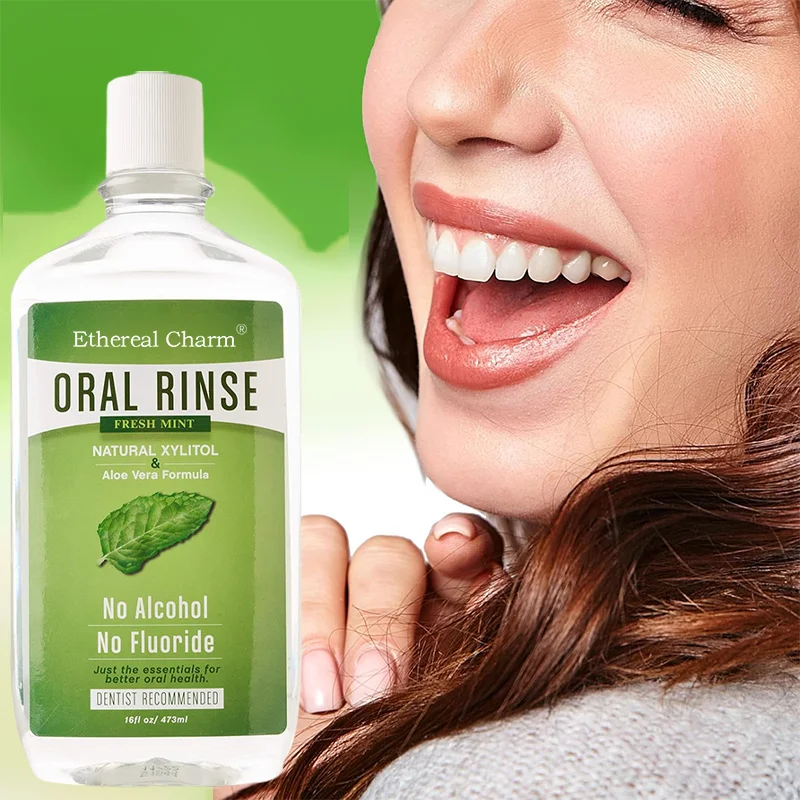
Ægte naturlige mundskyllemidler undgår typisk alkohol, kunstige sødestoffer, syntetiske farver og konserveringsmidler.
Hav en behagelig brugeroplevelse
Mundskyllemidlet skal have en behagelig smag og følelse uden en brændende fornemmelse, hvilket gør det nemmere at integrere det i din daglige rutine.
Forståelse af begrænsninger ved naturlig mundskylning og sikkerhed
Selvom naturlige mundskyllemidler tilbyder mange fordele, er det vigtigt at erkende, at "naturlig" ikke automatisk betyder sikker for alle. Æteriske olier er potente, og nogle mennesker kan opleve følsomhed eller allergiske reaktioner. Følg altid produktvejledningen nøje, og overvej at teste på et lille område, når du prøver et nyt produkt.
Hvis du bruger naturlige mundskyllemidler med æteriske olier, skal du være opmærksom på, at de stadig har antibakterielle egenskaber og bør bruges korrekt snarere end overdrevent.
Hvis du har specifikke problemer med din tandpleje, bør du konsultere din tandlæge, før du skifter til naturlige produkter, da de muligvis ikke giver den målrettede behandling, der er nødvendig for visse tilstande.
Gør-det-selv vs. kommercielle naturlige mundskyllevand
Mange mennesker udforsker at lave deres egne naturlige mundskyllemidler derhjemme ved hjælp af simple opskrifter. En grundlæggende formel kan indeholde vand med et par dråber antibakterielle æteriske olier som tea tree eller myrra. Selvom disse kan være effektive til at friske åndedrættet op, kan kommercielt fremstillede naturlige mundskyllemidler giver ofte mere ensartede resultater, da de er præcist formuleret og testet for effektivitet og sikkerhed.
Når du vælger den bedste naturlige mundskyl til dine behov, bør du overveje kommercielle produkter, der er gennemsigtige omkring deres ingredienser og har forskning, der understøtter deres påstande.
Miljøfaktoren
En ofte overset fordel ved naturlige mundskyllemidler er deres miljøvenlighed. Mange mærker prioriterer bæredygtig indkøb af ingredienser og bruger miljøbevidst emballage. Nogle innovative virksomheder tilbyder endda koncentrerede former, som du blander med vand derhjemme, hvilket reducerer plastikaffald betydeligt.
Konklusion
I sidste ende er det din personlige oplevelse, der betyder mest. Den bedste naturlige mundskylning vil være en, der effektivt understøtter din mundøkologi, samtidig med at den er i overensstemmelse med dine ingredienspræferencer. Husk, at konsistens og korrekt teknik er lige så vigtige som selve produktet. Lad dine unikke behov guide din udforskning, og stol på, hvad din krop fortæller dig. Det rigtige valg skal efterlade din mund ren, afbalanceret og forfrisket.