Aus Herstellersicht erfordert die Wahl des richtigen Lieferanten für Mundpflegeprodukte mehr als nur den Vergleich von Angeboten. Marken sollten die Formulierungskompetenz, die Flexibilität der Verpackung, die Dokumentationsunterstützung und die Produktionskonstanz bewerten.
Die westliche Welt tendiert zunehmend zu einer neuen Generation von Mundspülungen, darunter pflanzliche und aufhellende Formeln. Um diese Nachfrage zu decken, steigt die Zahl der Anbieter rasant an. Leider erfüllen jedoch nicht alle Anbieter die Sicherheits- und Zulassungsstandards. Für Importeure, die mit Verzögerungen beim Zoll oder Ablehnungen aufgrund von Konformitätsproblemen zu kämpfen haben, kann die Wahl des falschen Anbieters daher teuer werden.
Deshalb bevorzugen viele Unternehmen OEM- (Original Equipment Manufacturer) und ODM-Lieferanten (Original Design Manufacturer). Diese erfüllen die erforderlichen Vorschriften und bieten eine verlässliche Partnerschaft. Trotzdem gibt es immer noch eine beträchtliche Anzahl von Herstellern, die es zu prüfen gilt. Wo findet man den richtigen? zuverlässiger OEM/ODM-Lieferant von Mundspülungen?
Diese Checkliste hilft Ihnen, vertrauenswürdige Mundspülungs-OEMs für die Märkte in den USA, Großbritannien und Australien sowie ODM-Hersteller für Mundpflegeprodukte zu identifizieren, indem sie kritische Bereiche bewertet.

Für wen ist das?
Diese OEM-Checkliste für Mundspülungen richtet sich an Importeure, Markeninhaber, Amazon FBA-Verkäufer und Produktentwickler, die nach Herstellerpartnern für Mundspülungen für die Märkte in den USA, Großbritannien und Australien suchen.
Was wir bewerten werden
Um den zuverlässigsten Hersteller von Mundspülungen unter Eigenmarken oder Lohnhersteller für Mundpflegeprodukte zu finden, bewertet dieser Leitfaden acht Kriterien:
| Kategorie | Was Sie anfordern sollten | Wie “gut” aussieht |
| Formulierung | Portfolio bestehender Rezepturen, Stabilitätsprüfprotokolle | Bewährte alkoholfreie, aufhellende und natürliche Formeln mit Testergebnissen |
| Zertifizierungen | GMP- und ISO-Zertifikate, aktuelle Auditberichte | Gültige Zertifikate mit dokumentierter Häufigkeit der Qualitätskontrolle |
| Einhaltung | Marktspezifische regulatorische Leitlinien (USA/GB/AU) | Klare Erläuterung der Anforderungen der FDA, des UK SCPN oder von AICIS |
| Verpackung | Vollständiger Verpackungskatalog, Berichte über Haltbarkeitstests | Mehrere Formatoptionen mit bewährten Fall-/Lecktests |
| Mindestbestellmenge & Lieferzeit | Gestaffelte Preisstruktur, schriftlicher Produktionsplan | Flexible Mindestbestellmengen für Einsteiger mit transparenten Skalierungsoptionen |
| Dokumentation | Analysezertifikat, Sicherheitsdatenblatt, Zutatenlisten, mikrobiologische Testberichte | Vollständige, aktuelle Dokumentation, bereit für Zoll und Einzelhandel |
| Werksprüfung | Videorundgang oder Besichtigung vor Ort | Reinraumstandards, RO/EDI-Wassersysteme, Chargenrückverfolgbarkeit |
| Kommunikation | Klare Zeitpläne, zeitnahe Kommunikation und übersichtliche Unterlagen. | Schnelle und hilfreiche Antworten auf Anfragen und Feedback. |
So wählen Sie einen Mundspülung ODM Anbieter oder OEM-Hersteller für Mundpflegeprodukte:
Schritt 1: Beurteilung der Mundspülungsrezeptur und der F&E-Kapazitäten des Lieferanten
Wenn aktuelle Trends in Verbraucherinteresse an Mundhygiene Wenn man von den bisherigen Erfahrungen ausgeht, sollte Ihr gewählter Hersteller von individuell angefertigten Mundspülungen für die USA, Großbritannien und Australien Formulierungsoptionen in verschiedenen Kategorien unterstützen.
Alkoholfreie, fluoridfreie und empfindliche Formulierungen
Alkohol- und fluoridfreie Mundspülungen richten sich an Verbraucher, die sanftere Mundpflegeprodukte suchen. Mundspülungen für empfindliche Zähne und empfindliche Zähne berücksichtigen die besonderen Bedürfnisse der Mundgesundheit, indem sie auf aggressive Inhaltsstoffe verzichten.
Natürliche und pflanzliche Rezepturen
Natürliche Rezepturen aus pflanzlichen Inhaltsstoffen sprechen gesundheitsbewusste Verbraucher an. Kräutermundspülungen mit therapeutischen Extrakten bieten funktionelle Vorteile. Natürliche und pflanzliche Mundspülungen enthalten häufig Inhaltsstoffe wie ätherische Öle und Xylit, um sowohl Wirksamkeit als auch ein klares, natürliches Produkt zu gewährleisten.
Aufhellende Wirkung, Zahnfleischpflege und funktionelle Eigenschaften (Anti-Plaque, Feuchtigkeitsversorgung)
Zahnaufhellungslösungen bieten einen kosmetischen Nutzen und erfüllen die starke Verbrauchernachfrage nach einem strahlenderen Lächeln. Funktionelle Mundspülungsformulierungen Mundspülungen mit Anti-Plaque-Wirkung oder Feuchtigkeitszufuhr decken spezifische Bedürfnisse der Mundgesundheit ab. Mundspülungen für Kinder mit milden Aromen sind sicher und wirksam für die ganze Familie.
Stabilitätsprüfung und Sicherheitsüberprüfung vor der Serienproduktion
Vertrauenswürdige Lieferanten führen Stabilitätstests durch, um die Langzeitleistung zu bestätigen und umfassende Sicherheitsbewertungen vorzunehmen. Überprüfen Sie dies regelmäßig, um die Einhaltung der gesetzlichen Bestimmungen vor Vertragsabschluss sicherzustellen.
Schritt 2: Zertifizierungen prüfen und laufende Qualitätskontrolle durchführen
Zertifizierungen belegen, dass der Hersteller wissenschaftlich fundierte Verfahren und regulierte Produktionsstandards einhält. Diese Nachweise bieten zwar eine grundlegende Sicherheit, doch die kontinuierliche Qualitätskontrolle unterscheidet zuverlässige Hersteller von solchen, die lediglich Zertifikate auf ihren Webseiten präsentieren.
Was als Beweismittel angefordert werden sollte
GMP- und ISO-Zertifizierung
Die weltweit anerkannte Zertifizierung nach Good Manufacturing Practice (GMP) belegt, dass die Die Einrichtung befolgt standardisierte Richtlinien. für wichtige betriebliche Abläufe. Im Rahmen der GMP-Richtlinien deckt ISO 22716 das Qualitätsmanagement in der Kosmetikherstellung, einschließlich Mundwasser, ab. Einige Lieferanten gehen noch einen Schritt weiter und halten ISO 9001-Akkreditierung.
Diese Zertifizierung ist zwar freiwillig, belegt aber, dass der Mundspülungsanbieter die allgemeinen Qualitätsstandards erfüllt. Fordern Sie im Rahmen Ihrer Sorgfaltspflicht Kopien aller aktuellen Zertifikate an.
Mikrobielle Prüfungen, Schwermetallprüfungen und Prüfungen auf Einhaltung der Inhaltsstoffvorschriften
Kontinuierliche Prüfung schützt Ihre Marke vor Kontaminationsproblemen und Verstöße gegen gesetzliche Bestimmungen. Fordern Sie die Vorlage der Nachweise des OEM/ODM-Herstellers über routinemäßige mikrobiologische Tests, Schwermetallanalysen und die Überprüfung der Inhaltsstoffe an.
Wie häufig finden Audits statt
Die Häufigkeit von Qualitätszertifizierungen variiert je nach Zertifizierungsstelle, Risikostufe und teilweise auch Region. Dokumentierte Nachweise regelmäßiger Produkt- und Prozessprüfungen belegen jedoch ein aktives Qualitätsmanagement. Die von Ihnen in Betracht gezogenen Lieferanten sollten daher auf Anfrage Aufzeichnungen oder Zusammenfassungen aktueller interner und externer Audits vorlegen können.
Schritt 3: Bestätigung der Einhaltung der regulatorischen Bestimmungen für die USA, Großbritannien und Australien
Die regulatorischen Anforderungen variieren je nach Markt erheblich. Der Hersteller von Mundspülungen für Eigenmarken oder der OEM/ODM-Lieferant sollte diese Unterschiede kennen und Sie dabei unterstützen, die Anforderungen entsprechend Ihren Produktversprechen und Inhaltsstoffen korrekt zu erfüllen.
Vereinigte Staaten: FDA-Klassifizierung
In den Vereinigten Staaten ist die FDA zuständig. klassifiziert Mundwasser nach dem Verwendungszweck und Ihre Werbeaussagen. Produkte, die ausschließlich zu kosmetischen Zwecken vermarktet werden, unterliegen weniger strengen Vorschriften. Produkte zur Krankheitsprävention gelten als rezeptfreie Arzneimittel und müssen zusätzliche Tests durchlaufen. Wählen Sie daher einen Lieferanten, der Ihnen hilft zu verstehen, wie Ihre Produkte den regulatorischen Weg bestimmen.
Das freiwillige Registrierungsprogramm für Kosmetikprodukte (VCRP) der FDA ist ein optionales Registrierungssystem. Hersteller und Händler nutzen es als Nachweise für die Einhaltung der Vorschriften. Wenn Sie eine freiwillige Registrierung in Erwägung ziehen, kann es sinnvoll sein, mit einem Anbieter zusammenzuarbeiten, der Erfahrung mit VCRP hat.
Vereinigtes Königreich: Britische Kosmetikverordnung und Anforderungen an SCPN/Verantwortliche Personen
Nach dem Brexit erließ Großbritannien eigene Kosmetikvorschriften. Diese Richtlinien spiegeln zwar die EU-Vorgaben wider, gelten aber unabhängig voneinander. Kosmetikprodukte, die in Großbritannien verkauft werden, müssen … die Kosmetikverordnung einhalten (UK); Übermittlung von Produktinformationen an das UK Cosmetic Products Notification Portal (SCPN) und Benennung einer verantwortlichen Person in Großbritannien.
Australien: AICIS für Kosmetika, TGA bei therapeutischen Angaben.
Der australische Regulierungsrahmen ist aufgeteilt in das Australian Industrial Chemicals Introduction Scheme (AICIS) für kosmetische Produkte und die Therapeutic Goods Administration (TGA) für Produkte mit therapeutischen Aussagen.
Die meisten handelsüblichen Mundspülungen fallen unter AICIS, was Importeure zur Registrierung und Meldung eingeführter Chemikalien verpflichtet. Wenn Ihr Produkt therapeutische Aussagen enthält, kann eine TGA-Registrierung als Arzneimittel erforderlich sein. Private Label Mundwasser Der australische Lieferant sollte diese Unterschiede verdeutlichen.
Schritt 4: Verpackungsoptionen und Private-Label-Services bewerten
Für den Export in westliche Märkte benötigt Ihr Auftragshersteller für Mundpflegeprodukte sowohl ästhetische Vielfalt als auch funktionelle Zuverlässigkeit. Daher:
Verpackungskatalog anfordern
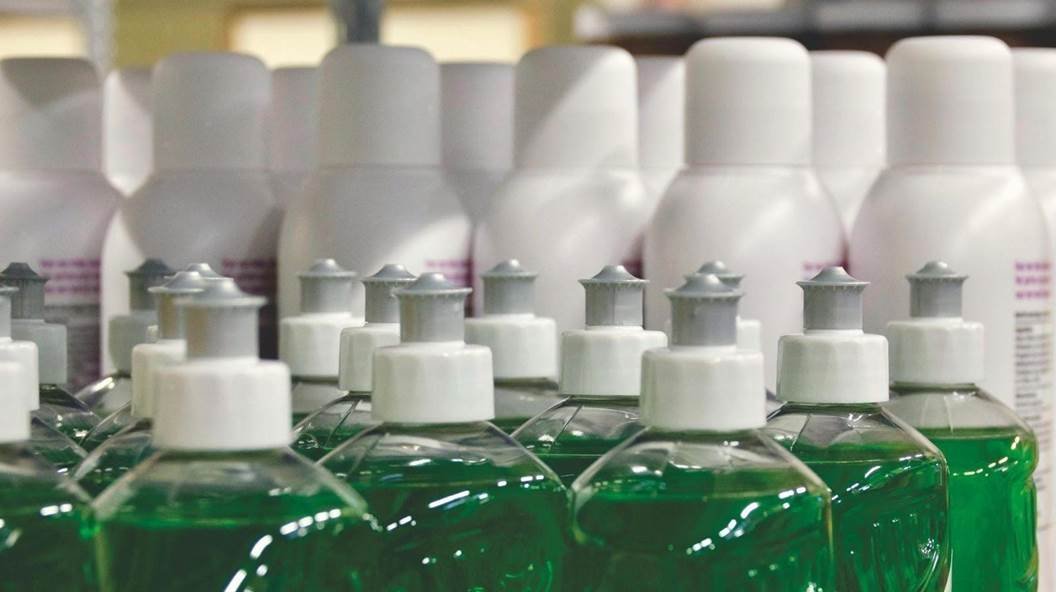
Ein umfassender Verpackungskatalog sollte verschiedene Flaschenformate in unterschiedlichen Größen zeigen, von praktischen 100-ml-Reiseflaschen bis hin zu 1000-ml-Familienflaschen. Achten Sie auf verschiedene Verschlussarten, darunter Klappverschlüsse für mehr Komfort, Pumpverschlüsse für eine hochwertige Positionierung und Standard-Schraubverschlüsse für einen günstigeren Preis.
Verwendete Materialien und Markenpositionierung
Die Materialauswahl vermittelt Markenwerte und erfüllt gleichzeitig funktionale Anforderungen. Insbesondere:
- PET (Polyethylenterephthalat)Klarheit und geringes Gewicht sind ideale Eigenschaften für Flaschen mit einem hochwertigen Erscheinungsbild.
- PCR (Post-Consumer-Recycling): Spricht umweltbewusste Konsumenten an.
- HDPE (Polyethylen hoher Dichte): Besitzt eine ausgezeichnete chemische Beständigkeit und Haltbarkeit für funktionelle Formulierungen.
Besprechen Sie die Materialoptionen mit Ihrem Lieferanten und fordern Sie Muster von jedem Typ an.
Kennzeichnungskonformität und Design-Workflow
Individuell gestaltete Etiketten stärken die Markenidentität, müssen aber marktspezifischen Vorschriften entsprechen. Das Designteam des Lieferanten sollte mehrere Etikettenentwürfe erstellen und die Einhaltung der Kennzeichnungsvorschriften in den USA, Großbritannien und Australien sicherstellen.
Haltbarkeitstests für Exportverpackungen
Der internationale Versand setzt Produkte rauer Behandlung und Umwelteinflüssen aus. Um die Warensicherheit zu gewährleisten, sind Tests wie Fall-, Vibrations-, Temperaturschock- und Druckwechselprüfungen unerlässlich.
Schritt 5: Mindestbestellmenge, Anpassungsmöglichkeiten und Lieferzeiten bestätigen
Mindestbestellmengen (MOQ) beeinflussen Startup-Marken und bestimmen, wie Produkte auf den Markt gebracht werden. MOQs wirken sich auch auf das Cashflow-Management aus.
Gestaffelte Mindestbestellmengen für Markttests
Hohe Mindestbestellmengen binden Kapital und Lagerfläche. Niedrige Mindestbestellmengen ermöglichen Markttests. Viele Hersteller setzen die Mindestbestellmenge auf 10.000 Einheiten oder mehr fest. Diese Menge überfordert neue Marken oft. Daher ist es ratsam, einen Lieferanten zu finden, der bereit ist, über den Preis entsprechend Ihrer Bestellmenge zu verhandeln.
Skalierungsplan
Klein anzufangen reduziert das Risiko. Sie testen die Marktreaktion ohne große Investitionen. Sie optimieren Ihre Formeln anhand von Kundenfeedback. Und sobald die Nachfrage steigt, erhöhen Sie die Bestellmengen.
Formelbesitz und IP-Bestimmungen
Manche Lieferanten gestatten die vollständigen Produktrechte, sobald das Unternehmen skaliert. Andere nicht. Eine frühzeitige Klärung der Eigentumsverhältnisse vermeidet spätere rechtliche Probleme.
Zeitrahmen für die Probenahme vs. Produktionszeitrahmen
Ihr OEM-Lieferant für Mundspülungen auf dem US-Markt sollte klare Zeitpläne für alle Abläufe bereitstellen. Beachten Sie, dass die Mustererstellung in der Regel 2 bis 4 Wochen dauert. Die Produktion erstreckt sich je nach Komplexität über vier bis acht Wochen, und die Verpackung benötigt zusätzlich ein bis zwei Wochen (Abweichungen möglich). Zudem kann es während der Feiertage oder bei Engpässen bei den Inhaltsstoffen zu Produktionsverzögerungen kommen.
Schritt 6: Dokumentation, Analysezertifikat/Sicherheitsdatenblatt und Exportunterstützung
Eine Dokumentation schützt Ihre Marke in den strengen westlichen Märkten. Sie schafft Vertrauen bei Aufsichtsbehörden und Kunden.

Wichtige anzufordernde Dokumente
Der Lieferant sollte Muster folgender Art zur Verfügung stellen:
- Sicherheitsdatenblätter (SDB)
- Analysenzertifikate (COA)
- Zutatenlisten
- Allergendeklarationen
- Mikro-Testberichte
- Sicherheitsbewertungen
Exportdokumentation und Zollvorbereitung
Hersteller, die in westliche Regionen liefern, sind sich der FDA-Kontrollpunkte für US-Importe, der Zollformalitäten in Großbritannien, der australischen AICIS-Importdeklarationen und der Dokumentation zur Händlerintegration bewusst.
Fähigkeit zur Unterstützung regulatorischer Angelegenheiten
Sofern zutreffend, können US-Importeure, die dieses optionale Programm wählen, die FDA-VCRP-Registrierung nutzen. Kosmetiksicherheitsbewertungen erfüllen die Anforderungen für den Vertrieb in Großbritannien. Lokale Compliance-Prüfungen beugen regulatorischen Überraschungen vor.
Schritt 7: Fabrikhygiene, Ausrüstung und Chargenkonsistenz
In einer Welt, in der Unternehmen und Verbraucher zunehmend Wert auf Gesundheit und Wohlbefinden legen, müssen Fabriken strenge Hygienestandards erfüllen. Um sicherzustellen, dass Ihr Lieferant all diese Anforderungen erfüllt:
Video-Rundgang oder Vor-Ort-Prüfung
Die Einhaltung der Hygienevorschriften schützt die Produktqualität. Besuchen Sie daher nach Möglichkeit die Produktionsstätte. Sollte dies aufgrund der Entfernung nicht möglich sein, bitten Sie um Live-Videoführungen, die alle Abläufe deutlich zeigen.
Wasseraufbereitungssystem (RO/EDI) und Prüfprotokolle
Die Stabilität von Mundspülungen hängt von der Qualität des Wassers ab. Daher muss der Lieferant Umkehrosmose- (RO) oder Elektrodeionisations- (EDI) Wasseraufbereitungssysteme verwenden. Regelmäßige Wassertests sind unerlässlich.
Eigene vs. ausgelagerte Komponenten
Die hauseigene Komponentenfertigung ermöglicht eine strengere Qualitätskontrolle und reduziert Lieferkettenverzögerungen. Da einige Lieferanten bestimmte Teile weiterhin auslagern, ist es notwendig, genau zu wissen, was sie intern produzieren, und die Qualität aller ausgelagerten Komponenten zu überprüfen.
Chargenkonsistenz und Qualitätssicherungskontrollen
Kunden erwarten bei jedem Kauf ein identisches Erlebnis. Ihr Vertrag Mundwasserlieferant in Australien oder anderswo müssen strenge Produktionsprotokolle eingehalten werden. Überprüfen Sie deren Qualitätssicherungsverfahren sorgfältig, um die Konsistenz sicherzustellen.
Schritt 8: Kommunikationsgeschwindigkeit, Stichprobenverfahren und Servicelevel

Effiziente Kommunikation beugt kostspieligen Fehlern vor. Um diesen Überprüfungsprozess zu optimieren:
Reaktionszeitstandards und technische Klarheit
Professionelle Anbieter beantworten Anfragen innerhalb von 24 Stunden. Sollte es ein Problem geben, liefern sie detaillierte technische Erklärungen.
Beispielhafter Iterations-Workflow
Ihr Lieferant sollte die Kosten für die Mustererstellung im Voraus auflisten, die Anpassungsmöglichkeiten klar erläutern und alle wesentlichen Details, wie z. B. Lieferzeiten, genau angeben.
Onboarding-Prozess
Partnerschaftlich orientierte OEMs investieren in Ihr Wachstum und begleiten Sie durch einen transparenten Onboarding-Prozess, der Anforderungen, Rezeptur, Bemusterung, Preisgestaltung, Verpackung und Konformität umfasst.
Warnsignale bei der Auswahl eines OEM/ODM-Lieferanten für Mundspülungen
Bestimmte Warnsignale deuten auf problematische Lieferanten hin. Manche sind offensichtlich, andere nicht. Sobald Sie sie bemerken, sollten Sie sie in Ihre Bewertungscheckliste aufnehmen. Hier einige gängige Kategorien:
Warnsignale für die Dokumentation
- Unklare Antworten.
- Nicht dokumentierte Verfahren.
- Fehlende Testergebnisse.
Systemwarnungen
- Fehlendes klares Qualitätskontrollsystem.
- Kein Nachweis über Exporthistorie.
Warnsignale für Unternehmen
- Unklare Produktionszeitpläne.
- Unprofessionelle Geschäftspraktiken.
- Überzogene Versprechungen ohne Nachweis der Leistungsfähigkeit.
Warum die Zusammenarbeit mit einem erfahrenen OEM/ODM-Hersteller von Mundspülungen wichtig ist

Erfahrene Partner gehen über die reine Produktion hinaus und liefern Zuverlässigkeit und strategischen Mehrwert. Sie:
Geringeres Entwicklungsrisiko und weniger Compliance-Fehler
Das Entwicklungsrisiko sinkt bei erfahrenen Partnern deutlich, da gängige Formulierungsprobleme bereits gelöst sind. Regulatorische Fallstricke sind gut bekannt, und die Produktionsprozesse wurden im Laufe der Zeit optimiert.
Bessere Kostenkontrolle und skalierbare Produktion
Erfahrene Lieferanten sichern sich bessere Rohstoffpreise, betreiben effiziente Produktionslinien und reduzieren Abfall durch disziplinierte Prozesse. Das Ergebnis: wettbewerbsfähigere Preise für Ihre Marke. Erfahrene Hersteller erkennen zudem frühzeitig neue Mundpflegeprodukte.
Schnellerer Marktstart dank bewährter Basisformeln
Ihr australischer Lieferant für Mundspülungen unter Eigenmarken bietet bewährte Produkte. Sie passen lediglich Branding und Verpackung individuell an. Dadurch umgehen Sie auf vielen Ebenen langwierige Entwicklungsphasen. So erreichen Sie Ihre Kunden schnell.
Stabile Lieferkette und gleichbleibende Qualität für Rezensionen
Zuverlässige Lieferketten verhindern Engpässe in kritischen Phasen, und etablierte Lieferanten unterstützen dies durch die proaktive Bevorratung mit Zutaten. Ersatzlieferanten werden im Voraus gesichert, und die Planung für den Umgang mit Produktionsausfällen ist in ihre Abläufe integriert.
Fazit: Nutzen Sie diese Checkliste, um OEM/ODM-Partner sicher in die engere Auswahl zu nehmen.
Erfahren OEM- und ODM-Hersteller Wir bieten Ihnen beständige und bewährte Vorteile. Entwicklungsrisiken sinken deutlich, und Ihre Markenpositionierung verbessert sich durch verlässliche Qualität. Mit dem richtigen Partner in der Mundspülungsherstellung kann sich Ihre Mundpflegelinie zu einer Premium-Produktreihe entwickeln.
Importeure, Händler und Markeninhaber sollten mehrere Lieferanten evaluieren. Vergleichen Sie deren Fähigkeiten objektiv anhand dieser Kriterien. Wählen Sie anschließend Partner aus, die Ihren Qualitätsstandards entsprechen.
Bereit für die Markteinführung Ihrer Mundwassermarke? Fordern Sie einen Beispielplan an Mit Dokumentationspaket und Verpackungsoptionen. Unser Team liefert OEM-Mundspülungen (alkoholfrei), aufhellende Mundspülungen (OEM), Kindermundspülungen (OEM) und Spezialformulierungen.
Für spezielle Mundwasserherstellungsprogramme besuchen Sie Private Label Mundwasser Hersteller.
Häufig gestellte Fragen
1. Welche Dokumente sollte ein Mundwasser-OEM bereitstellen?
Sicherheitsdatenblätter (SDB), Analysenzertifikate (COA), vollständige Zutatenlisten mit INCI-Bezeichnungen, mikrobiologische Prüfberichte, Allergendeklarationen, Stabilitätsprüfungsdaten und Kopien der aktuellen GMP- und ISO-Zertifizierungen sind erforderlich. Für Exportlieferungen sind zusätzlich marktspezifische Dokumente vorzulegen.
2. Was ist eine realistische Mindestbestellmenge für Mundwasser unter Eigenmarken?
Einige Lieferanten bieten flexiblere Einstiegsmengen an, beginnend bei etwa 1.000 bis 3.000 Einheiten für Standardrezepturen, wobei dies bei vollständig kundenspezifischen Rezepturen oder Spezialverpackungen variiert.