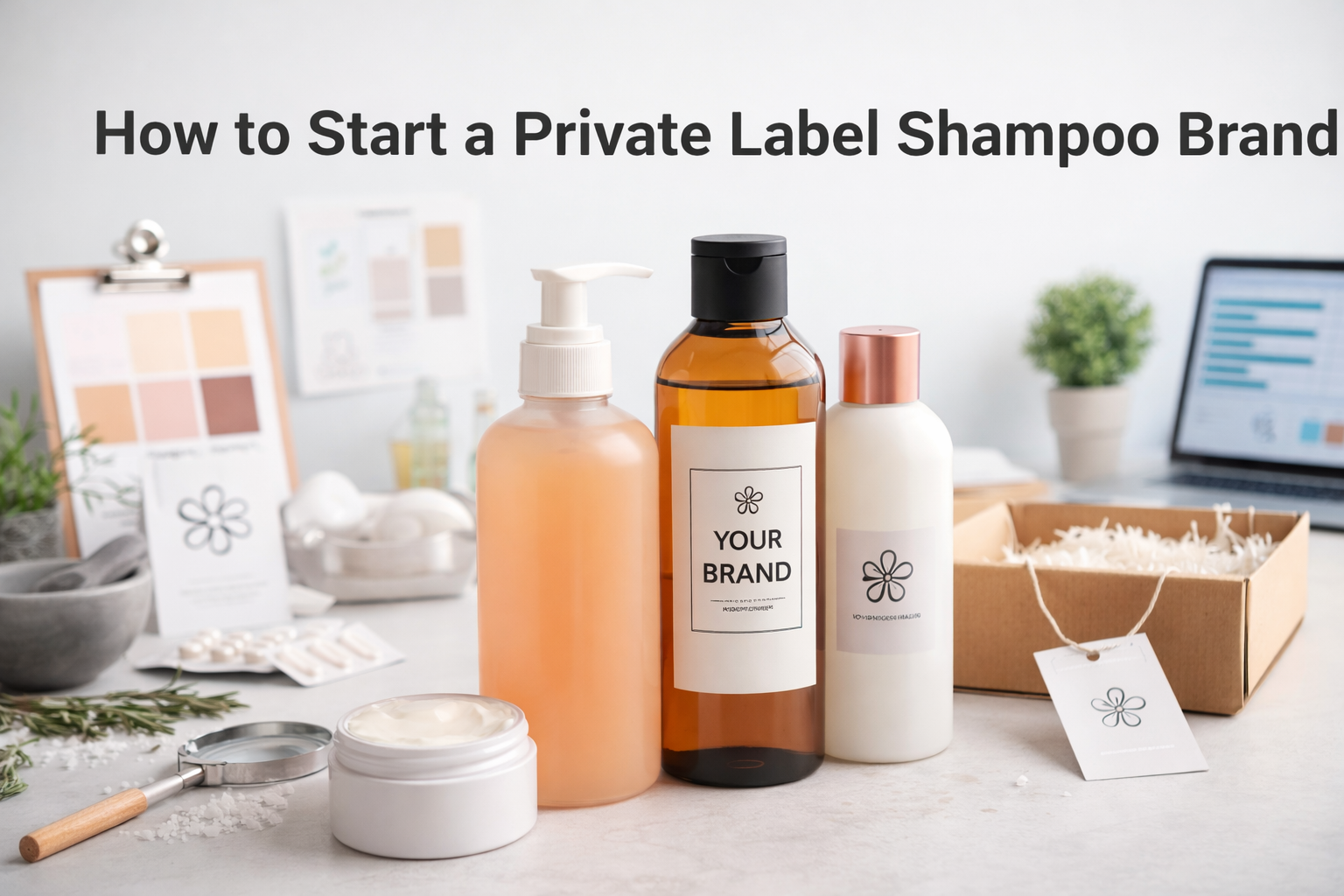
Como lançar uma marca própria de shampoo
Launching a private label shampoo brand is one of the most accessible ways to enter the personal care market without building your own manufacturing facility.
With the right strategy, formulation, and manufacturing partner, brands can move from concept to market-ready products efficiently.
In this guide, we break down the key steps to help you start your own private label shampoo brand.
1. Define Your Target Market and Positioning
Before developing a shampoo product, it is essential to define:
- Your target customers (mass market, premium, salon, e-commerce)
- Product positioning (natural, sulfate-free, anti-dandruff, moisturizing)
- Price range and branding direction
Clear positioning will guide formulation, packaging, and marketing decisions.
2. Choose the Right Shampoo Type
Private label shampoo is not a single product—it includes multiple formulation directions.
Common types include:
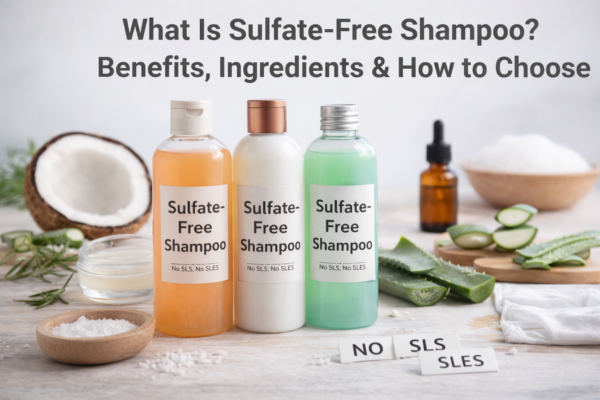
- Sulfate-free shampoo (gentle and clean beauty positioning)
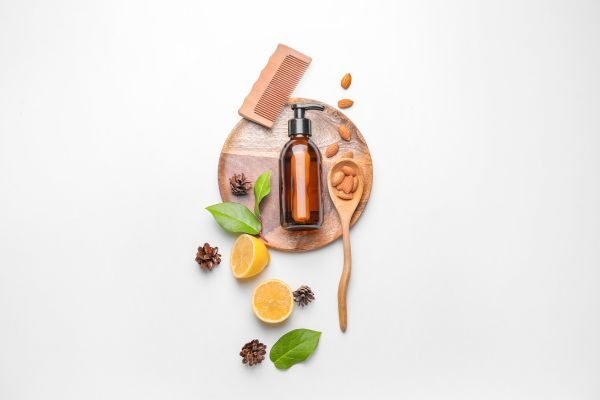
- Organic or natural shampoo (plant-based formulations)
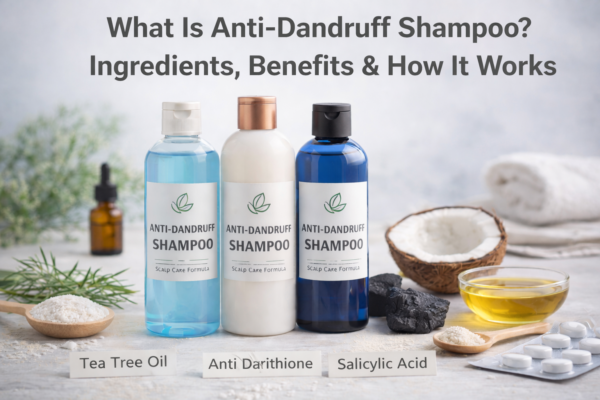
- Anti-dandruff shampoo (functional scalp care)
- Moisturizing or repairing shampoo
👉 If you’re looking for full OEM support, you can explore our
Fabricante de xampu de marca própria solutions for different product types.
3. Decide Between Ready Formulas and Custom Formulation
There are two main approaches:
Ready Formulations
- Faster to launch
- Lower cost
- Suitable for startups
Custom Formulation
- Unique product differentiation
- Flexible ingredient selection
- Better for long-term brand building
Most brands start with semi-custom solutions and evolve later.
4. Develop Packaging and Branding
Packaging plays a critical role in how your shampoo product is perceived.
Key decisions include:
- Bottle type (PET, HDPE, custom shapes)
- Cap style (pump, flip-top, disc cap)
- Label design and branding
- Carton packaging
For clean beauty or organic brands, eco-friendly packaging is increasingly important.
5. Understand MOQ and Cost Structure
Minimum Order Quantity (MOQ) depends on:
- Packaging type
- Formulation complexity
- Production setup
In general:
- Standard products → lower MOQ
- Customized products → higher MOQ
Working with an experienced manufacturer helps balance cost and flexibility.
6. Work with an OEM Shampoo Manufacturer
Choosing the right manufacturing partner is one of the most important steps.
A reliable OEM manufacturer can support:
- Desenvolvimento de fórmulas
- Packaging sourcing
- Labeling and compliance
- Production and export
👉 Learn more about how we support brands with
Private Label Shampoo Manufacturing from concept to delivery.
7. Plan for Compliance and Export
If you are targeting international markets such as Europe or the United States, consider:
- Ingredient compliance
- Labeling requirements
- Documentation and certification
An export-ready manufacturer can help simplify this process.
8. Launch and Scale Your Brand
Once your product is ready:
- Start with smaller production runs
- Test market response
- Optimize branding and formulation
- Scale production gradually
Private label shampoo allows flexible growth without heavy upfront investment.
Conclusão
Starting a private label shampoo brand is a practical and scalable way to enter the personal care industry.
By choosing the right formulation strategy, packaging, and OEM partner, brands can efficiently develop products that match market demand and positioning.
Ready to Start Your Shampoo Project?
If you are planning to launch your own shampoo brand, working with an experienced manufacturer can significantly reduce time and risk.
👉 Explore our full solutions here:
Fabricante de xampu de marca própria