Hur man startar ett eget schampomärke
Att lansera ett eget schampomärke är ett av de mest tillgängliga sätten att komma in på marknaden för personliga hygienprodukter utan att bygga en egen tillverkningsanläggning.
Med rätt strategi, formulering och tillverkningspartner kan varumärken effektivt gå från koncept till marknadsfärdiga produkter.
I den här guiden går vi igenom de viktigaste stegen som hjälper dig att starta ditt eget schampomärke under eget varumärke.
1. Definiera din målmarknad och positionering
Innan man utvecklar en schampoprodukt är det viktigt att definiera:
- Dina målkunder (massmarknad, premium, salong, e-handel)
- Produktpositionering (naturlig, sulfatfri, mjällbekämpande, återfuktande)
- Prisintervall och varumärkesriktning
Tydlig positionering kommer att vägleda formulerings-, förpacknings- och marknadsföringsbeslut.
2. Välj rätt schampotyp
Schampo från privata märken är inte en enda produkt – det innehåller flera formuleringsanvisningar.
Vanliga typer inkluderar:
- Sulfatfritt schampo (skonsam och ren skönhetspositionering)
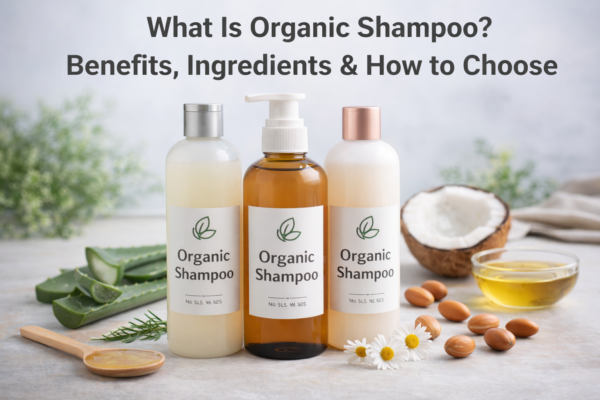
- Organiskt eller naturligt schampo (växtbaserade formuleringar)
- Mjällschampo (funktionell hårbottenvård)
- Återfuktande eller reparerande schampo
👉 Om du letar efter fullständig OEM-support kan du utforska vår
Tillverkare av schampo med eget märke lösningar för olika produkttyper.
3. Välj mellan färdiga formler och anpassade formuleringar
Det finns två huvudsakliga tillvägagångssätt:
Färdiga formuleringar
- Snabbare att lansera
- Lägre kostnad
- Lämplig för nystartade företag
Anpassad formulering
- Unik produktdifferentiering
- Flexibelt ingrediensval
- Bättre för långsiktigt varumärkesbyggande
De flesta varumärken börjar med semi-anpassade lösningar och utvecklas senare.
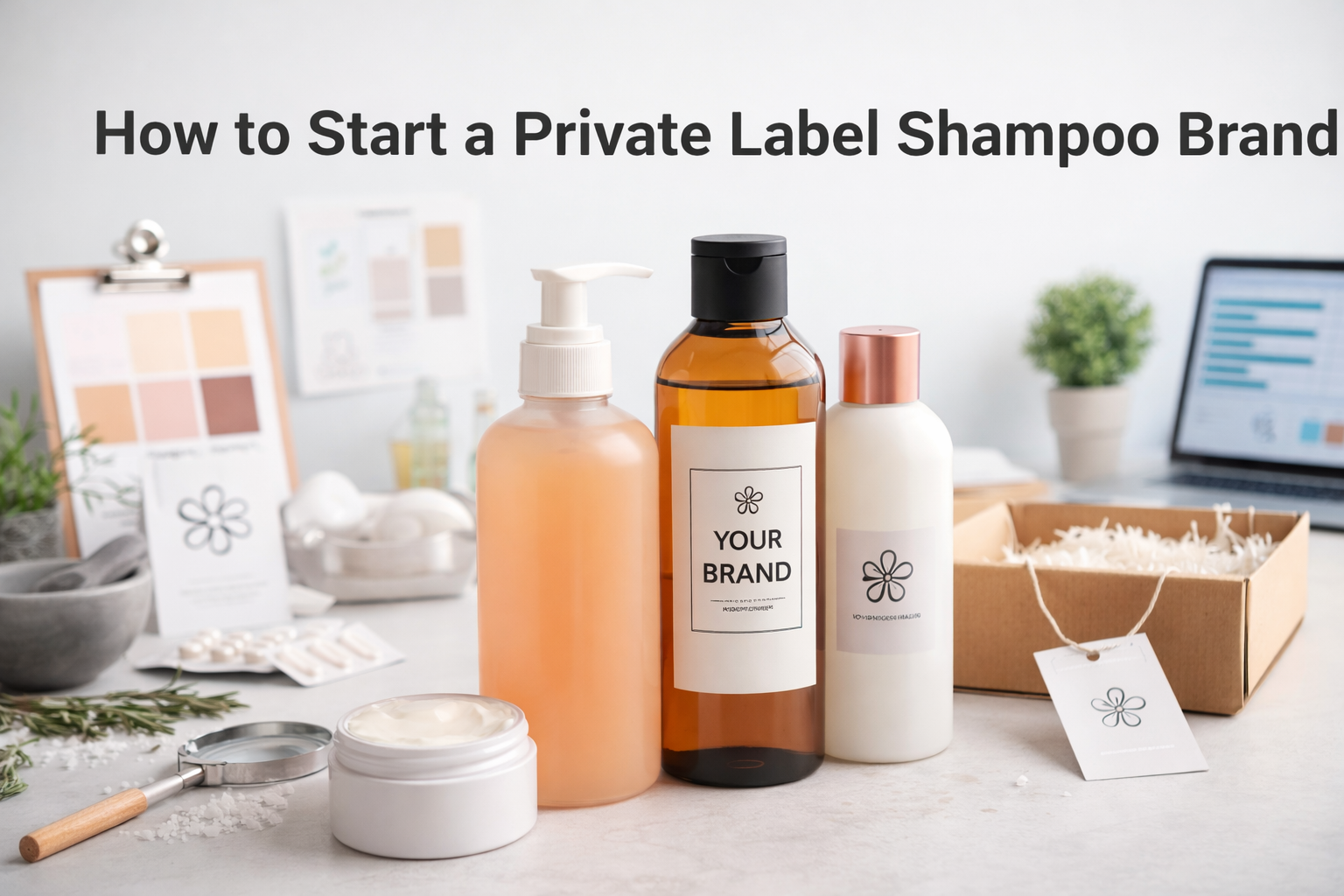
4. Utveckla förpackningar och varumärkesbyggande
Förpackningen spelar en avgörande roll för hur din schampoprodukt uppfattas.
Viktiga beslut inkluderar:
- Flasktyp (PET, HDPE, anpassade former)
- Kapsyltyp (pump, flip-top, skivlock)
- Etikettdesign och varumärkesbyggande
- Kartongförpackning
För ren skönhet eller ekologiska varumärken blir miljövänliga förpackningar allt viktigare.
5. Förstå MOQ och kostnadsstruktur
Minsta orderkvantitet (MOQ) beror på:
- Förpackningstyp
- Formuleringskomplexitet
- Produktionsuppsättning
I allmänhet:
- Standardprodukter → lägre MOQ
- Anpassade produkter → högre MOQ
Att arbeta med en erfaren tillverkare hjälper till att balansera kostnad och flexibilitet.
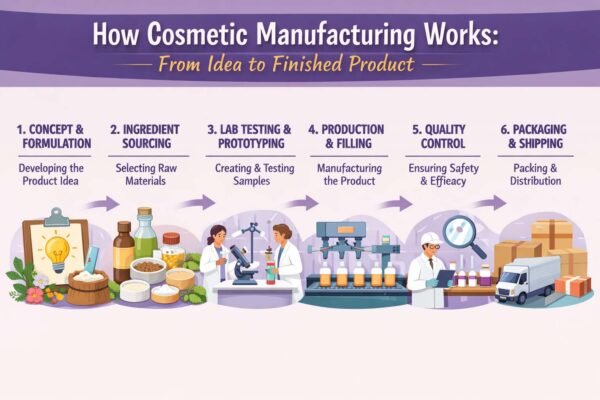
6. Arbeta med en OEM-schampotillverkare
Att välja rätt tillverkningspartner är ett av de viktigaste stegen.
En pålitlig OEM-tillverkare kan stödja:
- Formelutveckling
- Förpackningsupphandling
- Märkning och efterlevnad
- Produktion och export
👉 Läs mer om hur vi stödjer varumärken med
Tillverkning av schampo med privat etikett från koncept till leverans.
7. Plan för efterlevnad och export
Om du riktar in dig på internationella marknader som Europa eller USA, överväg:
- Ingrediensöverensstämmelse
- Märkningskrav
- Dokumentation och certifiering
En exportklar tillverkare kan bidra till att förenkla denna process.
8. Lansera och skala upp ditt varumärke
När din produkt är klar:
- Börja med mindre produktionsserier
- Testmarknadens svar
- Optimera varumärke och formulering
- Skala upp produktionen gradvis
Privata schampomärken möjliggör flexibel tillväxt utan stora initiala investeringar.
Slutsats
Att starta ett eget schampomärke är ett praktiskt och skalbart sätt att komma in i personligvårdsbranschen.
Genom att välja rätt formuleringsstrategi, förpackning och OEM-partner kan varumärken effektivt utveckla produkter som matchar marknadens efterfrågan och positionering.
Redo att starta ditt schampoprojekt?
Om du planerar att lansera ditt eget schampomärke kan ett samarbete med en erfaren tillverkare minska tid och risker avsevärt.
👉 Utforska våra kompletta lösningar här:
Tillverkare av schampo med eget märke