จากมุมมองด้านการผลิต การเลือกซัพพลายเออร์ผลิตภัณฑ์ดูแลช่องปากที่เหมาะสมนั้นต้องพิจารณามากกว่าแค่การเปรียบเทียบราคา แบรนด์ต่างๆ ควรประเมินความสามารถในการคิดค้นสูตร ความยืดหยุ่นในการบรรจุภัณฑ์ การสนับสนุนด้านเอกสาร และความสม่ำเสมอในการผลิตด้วย.
โลกตะวันตกกำลังหันมาสนใจผลิตภัณฑ์บ้วนปากรูปแบบใหม่มากขึ้น รวมถึงสูตรสมุนไพรและสูตรฟอกฟันขาว เพื่อตอบสนองความต้องการนี้ จำนวนผู้ผลิตจึงเพิ่มขึ้นอย่างรวดเร็ว แต่โชคร้ายที่ผู้ผลิตบางรายไม่ได้ปฏิบัติตามมาตรฐานความปลอดภัยและข้อกำหนดต่างๆ ดังนั้น สำหรับผู้นำเข้าที่ต้องเผชิญกับความล่าช้าทางศุลกากรหรือการปฏิเสธการปฏิบัติตามข้อกำหนด การเลือกผู้ผลิตที่ไม่เหมาะสมอาจส่งผลเสียอย่างมาก.
นี่คือเหตุผลที่หลายบริษัทนิยมใช้ซัพพลายเออร์แบบ OEM (Original Equipment Manufacturer) และ ODM (Original Design Manufacturer) เพราะพวกเขามีคุณสมบัติตรงตามข้อกำหนดและสร้างความร่วมมือที่น่าเชื่อถือ แม้จะเป็นเช่นนั้น ก็ยังมีผู้ผลิตจำนวนมากที่ต้องคัดกรอง แล้วจะหาซัพพลายเออร์ที่เหมาะสมได้จากที่ไหน ซัพพลายเออร์ OEM/ODM น้ำยาบ้วนปากที่เชื่อถือได้?
รายการตรวจสอบนี้ช่วยให้คุณระบุผู้ผลิตอุปกรณ์ดั้งเดิม (OEM) น้ำยาบ้วนปากที่น่าเชื่อถือสำหรับตลาดสหรัฐอเมริกา สหราชอาณาจักร และออสเตรเลีย รวมถึงผู้ผลิตอุปกรณ์ดูแลช่องปากแบบรับจ้างผลิต (ODM) โดยการประเมินในด้านที่สำคัญต่างๆ.

เหมาะสำหรับใคร
รายการตรวจสอบน้ำยาบ้วนปาก OEM นี้ออกแบบมาสำหรับผู้นำเข้า เจ้าของแบรนด์ ผู้ขาย Amazon FBA และผู้พัฒนาผลิตภัณฑ์ที่กำลังมองหาพันธมิตรผู้ผลิตน้ำยาบ้วนปากสำหรับตลาดสหรัฐอเมริกา สหราชอาณาจักร และออสเตรเลีย.
สิ่งที่เราจะประเมิน
คู่มือนี้จะประเมินเกณฑ์แปดประการเพื่อค้นหาผู้ผลิตน้ำยาบ้วนปากภายใต้แบรนด์ของตนเอง หรือผู้ผลิตผลิตภัณฑ์ดูแลช่องปากตามสัญญาจ้างที่น่าเชื่อถือที่สุด:
| หมวดหมู่ | สิ่งที่ต้องขอ | “ความดี” มีลักษณะอย่างไร |
| สูตร | ชุดสูตรที่มีอยู่และโปรโตคอลการทดสอบความเสถียร | สูตรปราศจากแอลกอฮอล์ ช่วยให้ผิวขาวกระจ่างใส และเป็นสูตรธรรมชาติที่ได้รับการพิสูจน์แล้ว พร้อมข้อมูลการทดสอบ |
| การรับรอง | ใบรับรอง GMP, ISO, บันทึกการตรวจสอบล่าสุด | ใบรับรองที่ถูกต้องพร้อมเอกสารแสดงความถี่ในการทดสอบควบคุมคุณภาพ |
| การปฏิบัติตาม | แนวทางการกำกับดูแลเฉพาะตลาด (สหรัฐอเมริกา/สหราชอาณาจักร/ออสเตรเลีย) | คำอธิบายที่ชัดเจนเกี่ยวกับข้อกำหนดของ FDA, UK SCPN หรือ AICIS |
| บรรจุภัณฑ์ | แคตตาล็อกบรรจุภัณฑ์ฉบับสมบูรณ์ รายงานการทดสอบความทนทาน | มีตัวเลือกรูปแบบหลากหลาย พร้อมการทดสอบการตกกระแทก/การรั่วไหลที่ได้รับการพิสูจน์แล้ว |
| ปริมาณสั่งซื้อขั้นต่ำและระยะเวลานำส่ง | โครงสร้างราคาแบบแบ่งระดับ ตารางการผลิตที่เป็นลายลักษณ์อักษร | ปริมาณสั่งซื้อขั้นต่ำเริ่มต้นที่ยืดหยุ่น พร้อมตัวเลือกการขยายขนาดที่โปร่งใส |
| เอกสารประกอบ | ใบรับรองการวิเคราะห์ (COA), เอกสารข้อมูลความปลอดภัย (SDS), รายการส่วนผสม, รายงานการทดสอบจุลินทรีย์ | เอกสารครบถ้วนและเป็นปัจจุบัน พร้อมสำหรับศุลกากรและการค้าปลีก |
| การตรวจสอบโรงงาน | เข้าชมสถานที่ผ่านวิดีโอหรือตรวจสอบสถานที่จริงได้ | มาตรฐานห้องปลอดเชื้อ ระบบกรองน้ำ RO/EDI การตรวจสอบย้อนกลับของล็อตสินค้า |
| การสื่อสาร | กำหนดเวลาที่ชัดเจน การสื่อสารที่ทันท่วงที และเอกสารที่ชัดเจน. | ตอบสนองต่อคำขอและข้อเสนอแนะอย่างรวดเร็วและเป็นประโยชน์. |
นี่คือวิธีการเลือก น้ำยาบ้วนปาก ODM ผู้จัดหา หรือ ผู้ผลิตผลิตภัณฑ์ดูแลช่องปากแบบ OEM:
ขั้นตอนที่ 1: ประเมินสูตรน้ำยาบ้วนปากและความสามารถด้านการวิจัยและพัฒนาของผู้จำหน่าย
หากพิจารณาแนวโน้มปัจจุบันใน ความสนใจของผู้บริโภคในเรื่องสุขอนามัยช่องปาก หากพิจารณาจากสิ่งใดก็ตาม ผู้ผลิตน้ำยาบ้วนปากแบบสั่งทำพิเศษที่คุณเลือกสำหรับสหรัฐอเมริกา สหราชอาณาจักร และออสเตรเลีย ควรมีตัวเลือกสูตรการผลิตที่ครอบคลุมหลายประเภท.
สูตรปราศจากแอลกอฮอล์ ปราศจากฟลูออไรด์ และเหมาะสำหรับผิวแพ้ง่าย
น้ำยาบ้วนปากสูตรปราศจากแอลกอฮอล์และฟลูออไรด์ตอบโจทย์ผู้บริโภคที่ต้องการผลิตภัณฑ์ดูแลช่องปากที่อ่อนโยนกว่า สูตรน้ำยาบ้วนปากสำหรับช่องปากบอบบางได้รับการออกแบบมาเพื่อตอบสนองความต้องการด้านสุขภาพช่องปากที่ละเอียดอ่อน โดยหลีกเลี่ยงส่วนผสมที่รุนแรง.
สูตรจากธรรมชาติและพฤกษศาสตร์
ผลิตภัณฑ์บ้วนปากสูตรธรรมชาติที่ทำจากส่วนผสมจากพืชดึงดูดผู้บริโภคที่ใส่ใจสุขภาพ น้ำยาบ้วนปากสมุนไพรที่มีสารสกัดเพื่อการบำบัดให้ประโยชน์ในเชิงปฏิบัติ น้ำยาบ้วนปากจากธรรมชาติและจากพืช มักมีส่วนผสม เช่น น้ำมันหอมระเหยและไซลิทอล เพื่อประสิทธิภาพและความเป็นมิตรต่อสิ่งแวดล้อม.
การฟอกสีฟัน การดูแลเหงือก และคุณสมบัติอื่นๆ (เช่น ป้องกันคราบพลัค ให้ความชุ่มชื้น)
ผลิตภัณฑ์ฟอกฟันขาวให้ผลลัพธ์ด้านความงามและตอบสนองความต้องการของผู้บริโภคที่ต้องการรอยยิ้มที่สดใสขึ้น. สูตรน้ำยาบ้วนปากที่มีคุณสมบัติเชิงฟังก์ชัน ผลิตภัณฑ์น้ำยาบ้วนปากสำหรับเด็กที่มีรสชาติอ่อนโยน ช่วยตอบโจทย์ความต้องการด้านสุขภาพช่องปากเฉพาะด้าน เช่น ผลิตภัณฑ์ต้านคราบพลัคหรือผลิตภัณฑ์เพิ่มความชุ่มชื้น และผลิตภัณฑ์สำหรับครอบครัว.
การทดสอบความเสถียรและการตรวจสอบความปลอดภัยก่อนการผลิตเครื่องชั่ง
ซัพพลายเออร์ที่น่าเชื่อถือจะทำการทดสอบความเสถียรเพื่อยืนยันประสิทธิภาพในระยะยาวและดำเนินการประเมินความปลอดภัยอย่างครบถ้วน ตรวจสอบอย่างสม่ำเสมอเพื่อให้แน่ใจว่าเป็นไปตามข้อกำหนดทางกฎหมายก่อนตัดสินใจสั่งซื้อ.
ขั้นตอนที่ 2: ตรวจสอบใบรับรองและดำเนินการควบคุมคุณภาพอย่างต่อเนื่อง
ใบรับรองต่างๆ พิสูจน์ให้เห็นว่าผู้ผลิตปฏิบัติตามกระบวนการที่ได้รับการสนับสนุนจากหลักวิทยาศาสตร์และมาตรฐานการผลิตที่ได้รับการควบคุม อย่างไรก็ตาม แม้ว่าใบรับรองเหล่านี้จะให้ความมั่นใจในระดับพื้นฐาน แต่การควบคุมคุณภาพเป็นกระบวนการต่อเนื่องที่แยกผู้ผลิตที่น่าเชื่อถือออกจากผู้ที่เพียงแค่แสดงใบรับรองบนเว็บไซต์ของตนเท่านั้น.
สิ่งที่ต้องขอเป็นหลักฐาน
การรับรองมาตรฐาน GMP และ ISO
การรับรองมาตรฐานการผลิตที่ดี (GMP) ที่ได้รับการยอมรับทั่วโลก แสดงให้เห็นว่า... สถานที่นี้ปฏิบัติตามแนวทางมาตรฐาน สำหรับขั้นตอนการปฏิบัติงานที่สำคัญ ภายใต้กรอบ GMP มาตรฐาน ISO 22716 ครอบคลุมการจัดการคุณภาพการผลิตเครื่องสำอาง รวมถึงน้ำยาบ้วนปาก ผู้ผลิตบางรายไปไกลกว่านั้นและจัดให้มีการตรวจสอบอย่างเข้มงวด การรับรองมาตรฐาน ISO 9001.
แม้ว่าการรับรองนี้จะไม่บังคับ แต่ก็เป็นหลักฐานที่แสดงว่าผู้ผลิตน้ำยาบ้วนปากได้ปฏิบัติตามมาตรฐานการจัดการคุณภาพทั่วไปแล้ว ในขั้นตอนการตรวจสอบอย่างรอบคอบ ควรขอสำเนาใบรับรองปัจจุบันทั้งหมดด้วย.
การทดสอบจุลินทรีย์ โลหะหนัก และการปฏิบัติตามข้อกำหนดของส่วนผสม
การทดสอบอย่างต่อเนื่อง ปกป้องแบรนด์ของคุณจากปัญหาการปนเปื้อน และการละเมิดกฎระเบียบ ขอให้ผู้ผลิต OEM/ODM แสดงหลักฐานการทดสอบจุลินทรีย์ การวิเคราะห์โลหะหนัก และการตรวจสอบส่วนผสมเป็นประจำ.
การตรวจสอบเกิดขึ้นบ่อยแค่ไหน
แม้ว่าความถี่ในการตรวจสอบรับรองคุณภาพ (QC) จะแตกต่างกันไปตามหน่วยงานรับรอง ระดับความเสี่ยง และภูมิภาค แต่การมีหลักฐานเป็นเอกสารเกี่ยวกับการตรวจสอบผลิตภัณฑ์และกระบวนการอย่างสม่ำเสมอ แสดงให้เห็นถึงการบริหารจัดการคุณภาพอย่างมีประสิทธิภาพ ดังนั้น ซัพพลายเออร์ที่คุณพิจารณาควรสามารถจัดหาบันทึกหรือสรุปผลการตรวจสอบ QC ภายในล่าสุด รวมถึงการตรวจสอบจากหน่วยงานรับรองภายนอกได้ตามคำขอ.
ขั้นตอนที่ 3: ยืนยันการปฏิบัติตามกฎระเบียบสำหรับสหรัฐอเมริกา สหราชอาณาจักร และออสเตรเลีย
ข้อกำหนดด้านกฎระเบียบแตกต่างกันอย่างมากในแต่ละตลาด ผู้ผลิตน้ำยาบ้วนปากภายใต้แบรนด์ของตนเอง หรือผู้จัดหาแบบ OEM/ODM ควรเข้าใจความแตกต่างเหล่านี้และช่วยให้คุณปฏิบัติตามข้อกำหนดได้อย่างถูกต้องตามข้อกล่าวอ้างเกี่ยวกับผลิตภัณฑ์และส่วนผสมของคุณ.
สหรัฐอเมริกา: การจำแนกประเภทขององค์การอาหารและยา (FDA)
ในสหรัฐอเมริกา องค์การอาหารและยา (FDA) จำแนกประเภทน้ำยาบ้วนปากตามวัตถุประสงค์การใช้งาน และข้อกล่าวอ้างที่คุณทำ ผลิตภัณฑ์ที่วางจำหน่ายเพื่อวัตถุประสงค์ด้านความงามเท่านั้นจะอยู่ภายใต้กฎระเบียบที่เข้มงวดน้อยกว่า ส่วนผลิตภัณฑ์ที่มีสรรพคุณในการป้องกันโรคจะถือเป็นยาที่จำหน่ายได้โดยไม่ต้องมีใบสั่งแพทย์ ซึ่งต้องมีการทดสอบเพิ่มเติม ดังนั้น จงเลือกซัพพลายเออร์ที่จะช่วยให้คุณเข้าใจว่าผลิตภัณฑ์ของคุณมีผลต่อเส้นทางการกำกับดูแลอย่างไร.
โครงการขึ้นทะเบียนเครื่องสำอางโดยสมัครใจของ FDA (VCRP) เป็นระบบการขึ้นทะเบียนที่ไม่บังคับ ผู้ผลิตและผู้จัดจำหน่ายใช้ระบบนี้เป็นแนวทาง หลักฐานความพยายามในการปฏิบัติตามกฎระเบียบ. หากคุณกำลังพิจารณาการลงทะเบียนโดยสมัครใจ การร่วมมือกับซัพพลายเออร์ที่มีประสบการณ์เกี่ยวกับ VCRP อาจเป็นประโยชน์อย่างยิ่ง.
สหราชอาณาจักร: ข้อบังคับเกี่ยวกับเครื่องสำอางของสหราชอาณาจักร และข้อกำหนดเกี่ยวกับ SCPN/บุคคลผู้รับผิดชอบของสหราชอาณาจักร
หลัง Brexit สหราชอาณาจักรได้กำหนดกฎระเบียบด้านเครื่องสำอางของตนเองขึ้นมา แม้ว่าแนวทางเหล่านี้จะคล้ายคลึงกับข้อกำหนดของสหภาพยุโรป แต่ก็มีผลบังคับใช้แยกจากกัน ผลิตภัณฑ์เครื่องสำอางที่จำหน่ายในสหราชอาณาจักรต้องเป็นไปตามข้อกำหนดเหล่านี้ ปฏิบัติตามกฎระเบียบเกี่ยวกับผลิตภัณฑ์เครื่องสำอาง (สหราชอาณาจักร); การส่งข้อมูลผลิตภัณฑ์ไปยังพอร์ทัลแจ้งเตือนผลิตภัณฑ์เครื่องสำอางของสหราชอาณาจักร (SCPN) และการแต่งตั้งบุคคลผู้รับผิดชอบในสหราชอาณาจักร.
ออสเตรเลีย: AICIS สำหรับเครื่องสำอาง, TGA หากมีการกล่าวอ้างสรรพคุณทางการรักษา
กรอบการกำกับดูแลของออสเตรเลียแบ่งออกเป็นสองส่วน คือ โครงการนำเข้าสารเคมีอุตสาหกรรมของออสเตรเลีย (AICIS) สำหรับผลิตภัณฑ์เครื่องสำอาง และสำนักงานบริหารผลิตภัณฑ์ทางการแพทย์ (TGA) สำหรับผลิตภัณฑ์ที่อ้างสรรพคุณทางการรักษา.
น้ำยาบ้วนปากมาตรฐานส่วนใหญ่จัดอยู่ในกลุ่ม AICIS ซึ่งกำหนดให้ผู้นำเข้าต้องลงทะเบียนและรายงานสารเคมีที่นำเข้า หากผลิตภัณฑ์ของคุณกล่าวอ้างสรรพคุณทางการรักษา อาจจำเป็นต้องลงทะเบียนกับ TGA ในฐานะผลิตภัณฑ์เพื่อการรักษา น้ำยาบ้วนปากฉลากส่วนตัว ผู้จำหน่ายจากออสเตรเลียควรชี้แจงความแตกต่างเหล่านี้ให้ชัดเจน.
ขั้นตอนที่ 4: ประเมินตัวเลือกบรรจุภัณฑ์และบริการผลิตสินค้าภายใต้แบรนด์ของตนเอง
สำหรับการส่งออกไปยังตลาดตะวันตก ผู้ผลิตผลิตภัณฑ์ดูแลช่องปากแบบรับจ้างผลิตของคุณต้องการทั้งความหลากหลายด้านความสวยงามและความน่าเชื่อถือในการใช้งาน ดังนั้น:
ขอรับแคตตาล็อกบรรจุภัณฑ์
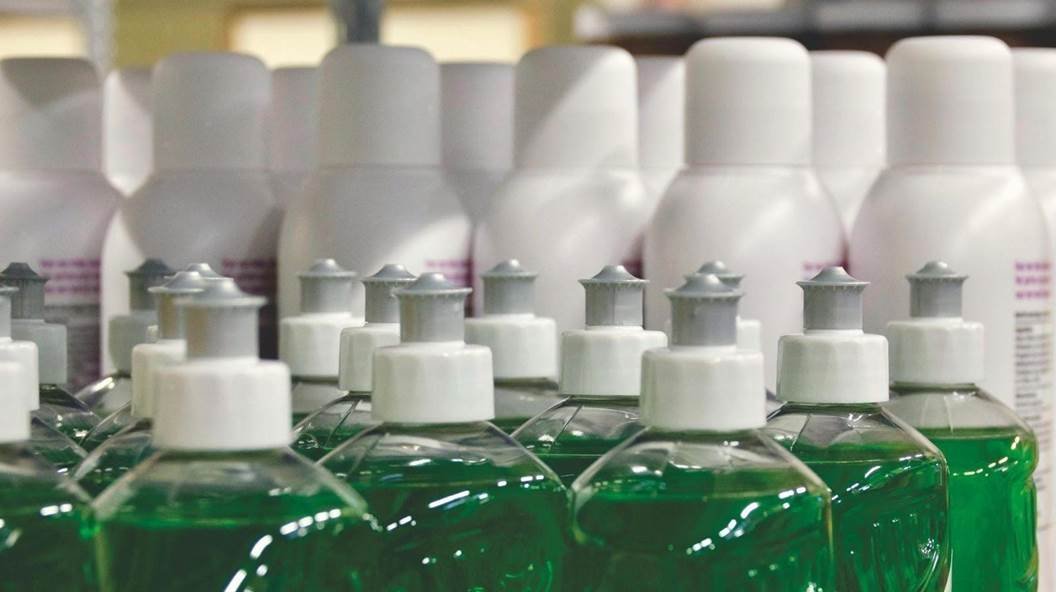
แคตตาล็อกบรรจุภัณฑ์ที่ครบถ้วนควรแสดงรูปแบบขวดหลายแบบในขนาดต่างๆ ตั้งแต่ขนาดพกพา 100 มล. ไปจนถึงขนาดครอบครัว 1000 มล. มองหาประเภทฝาปิดที่แตกต่างกัน รวมถึงฝาเปิดปิดง่ายเพื่อความสะดวก ฝาปั๊มสำหรับสินค้าพรีเมียม และฝาเกลียวมาตรฐานเพื่อความประหยัดต้นทุน.
วัสดุที่ใช้และการวางตำแหน่งแบรนด์
การเลือกใช้วัสดุสื่อถึงคุณค่าของแบรนด์ไปพร้อมๆ กับการตอบสนองความต้องการด้านการใช้งาน โดยเฉพาะอย่างยิ่ง:
- PET (โพลีเอทิลีนเทเรฟทาเลต)ความใสและความเบาเป็นคุณสมบัติที่เหมาะสมอย่างยิ่งสำหรับขวดที่ดูหรูหรา.
- PCR (วัสดุรีไซเคิลหลังการบริโภค): ดึงดูดผู้บริโภคที่ใส่ใจสิ่งแวดล้อม.
- โพลีเอทิลีนความหนาแน่นสูง (HDPE): มีความทนทานต่อสารเคมีและมีความคงทนดีเยี่ยม เหมาะสำหรับใช้ในสูตรผสมที่มีคุณสมบัติเฉพาะ.
ปรึกษาเรื่องตัวเลือกวัสดุกับผู้จำหน่ายและขอตัวอย่างวัสดุแต่ละประเภท.
การปฏิบัติตามข้อกำหนดด้านฉลากและขั้นตอนการทำงานด้านการออกแบบ
การออกแบบฉลากแบบกำหนดเองช่วยเสริมสร้างเอกลักษณ์ของแบรนด์ แต่ฉลากต้องเป็นไปตามข้อกำหนดเฉพาะของแต่ละตลาด ทีมออกแบบของซัพพลายเออร์ควรสร้างแบบร่างฉลากหลายแบบและตรวจสอบให้แน่ใจว่าสอดคล้องกับข้อกำหนดการติดฉลากของสหรัฐอเมริกา สหราชอาณาจักร และออสเตรเลีย.
การทดสอบความทนทานของบรรจุภัณฑ์เพื่อการส่งออก
การขนส่งระหว่างประเทศทำให้สินค้าต้องเผชิญกับการจัดการที่รุนแรงและสภาวะแวดล้อมที่ไม่เหมาะสม เพื่อความปลอดภัยของสินค้า การทดสอบต่างๆ เช่น การทดสอบการตกกระแทก การสั่นสะเทือน การเปลี่ยนแปลงอุณหภูมิอย่างฉับพลัน และการประเมินการรั่วไหลจากการเปลี่ยนแปลงความดัน จึงเป็นสิ่งจำเป็น.
ขั้นตอนที่ 5: ยืนยันปริมาณสั่งซื้อขั้นต่ำ ความยืดหยุ่นในการปรับแต่ง และระยะเวลาในการส่งมอบ
ปริมาณการสั่งซื้อขั้นต่ำ (MOQ) มีผลกระทบต่อแบรนด์สตาร์ทอัพและกำหนดวิธีการเปิดตัวผลิตภัณฑ์ นอกจากนี้ MOQ ยังส่งผลต่อการจัดการกระแสเงินสดอีกด้วย.
ปริมาณสั่งซื้อขั้นต่ำแบบแบ่งระดับสำหรับการทดสอบตลาด
ปริมาณสั่งซื้อขั้นต่ำที่สูงจะทำให้เงินทุนและพื้นที่คลังสินค้าถูกผูกไว้ ปริมาณสั่งซื้อขั้นต่ำที่ต่ำจะช่วยให้สามารถทดสอบตลาดได้ โรงงานหลายแห่งกำหนดปริมาณสั่งซื้อขั้นต่ำไว้ที่ 10,000 ชิ้นขึ้นไป ซึ่งความจริงแล้วปริมาณนี้สูงเกินไปสำหรับแบรนด์ใหม่ ดังนั้นจึงควรเลือกซัพพลายเออร์ที่ยินดีเจรจาต่อรองตามขนาดธุรกิจของคุณ.
แผนการขยายขนาด
การเริ่มต้นจากเล็กๆ ช่วยลดความเสี่ยง คุณสามารถทดสอบการตอบสนองของตลาดโดยไม่ต้องลงทุนจำนวนมาก คุณสามารถปรับปรุงสูตรตามคำติชมของลูกค้า และเมื่อความต้องการเพิ่มขึ้น คุณก็เพิ่มปริมาณการสั่งซื้อ.
กรรมสิทธิ์ในสูตรและข้อกำหนดด้านทรัพย์สินทางปัญญา
ซัพพลายเออร์บางรายอนุญาตให้คุณเป็นเจ้าของสูตรได้อย่างสมบูรณ์เมื่อธุรกิจของคุณเติบโต ในขณะที่บางรายไม่อนุญาต การระบุความเป็นเจ้าของให้ชัดเจนตั้งแต่เริ่มต้นจะช่วยหลีกเลี่ยงปัญหาทางกฎหมายในอนาคต.
ไทม์ไลน์การสุ่มตัวอย่างเทียบกับไทม์ไลน์การผลิต
ผู้ผลิตน้ำยาบ้วนปาก OEM สำหรับตลาดสหรัฐฯ ควรให้ข้อมูลเกี่ยวกับระยะเวลาที่ชัดเจนในทุกขั้นตอน โปรดจำไว้ว่าโดยทั่วไปแล้วการทดสอบตัวอย่างจะใช้เวลา 2 ถึง 4 สัปดาห์ การผลิตจะใช้เวลา 4 ถึง 8 สัปดาห์ ขึ้นอยู่กับความซับซ้อน และการบรรจุภัณฑ์จะใช้เวลาเพิ่มอีก 1 ถึง 2 สัปดาห์ (อาจแตกต่างกันไป) อีกประเด็นหนึ่งคือ การผลิตอาจชะลอตัวลงในช่วงเทศกาลวันหยุดหรือเมื่อวัตถุดิบขาดแคลน.
ขั้นตอนที่ 6: เอกสาร, ใบรับรองการวิเคราะห์ (COA/SDS) และการสนับสนุนการส่งออก
เอกสารต่างๆ ช่วยปกป้องแบรนด์ของคุณในตลาดตะวันตกที่มีกฎระเบียบเข้มงวด และยังช่วยสร้างความไว้วางใจให้กับหน่วยงานกำกับดูแลและลูกค้าอีกด้วย.

เอกสารหลักที่ต้องขอ
ผู้จำหน่ายควรจัดเตรียมตัวอย่างของ:
- เอกสารข้อมูลความปลอดภัย (SDS)
- ใบรับรองผลการวิเคราะห์ (COA)
- รายการส่วนผสม
- การประกาศเกี่ยวกับสารก่อภูมิแพ้
- รายงานการทดสอบไมโคร
- การประเมินความปลอดภัย
เอกสารการส่งออกและความพร้อมด้านศุลกากร
ผู้ผลิตที่จัดส่งสินค้าไปยังภูมิภาคตะวันตกเข้าใจดีว่า มีขั้นตอนการตรวจสอบจาก FDA สำหรับการนำเข้าสินค้าจากสหรัฐอเมริกา ข้อกำหนดด้านเอกสารศุลกากรของสหราชอาณาจักร การประกาศนำเข้า AICIS ของออสเตรเลีย และเอกสารการรับสมัครผู้ค้าปลีก.
ความสามารถในการสนับสนุนด้านกฎระเบียบ
ในกรณีที่เกี่ยวข้อง ผู้นำเข้าจากสหรัฐอเมริกาที่เลือกใช้โปรแกรมเสริมนี้สามารถใช้การลงทะเบียน FDA VCRP ได้ การประเมินความปลอดภัยของเครื่องสำอางเป็นไปตามข้อกำหนดสำหรับการจัดจำหน่ายในสหราชอาณาจักร การตรวจสอบการปฏิบัติตามกฎระเบียบในระดับท้องถิ่นช่วยป้องกันความประหลาดใจด้านกฎระเบียบ.
ขั้นตอนที่ 7: สุขอนามัยในโรงงาน อุปกรณ์ และความสม่ำเสมอของแต่ละล็อต
ในโลกที่ธุรกิจและผู้บริโภคให้ความสำคัญกับสุขภาพและความเป็นอยู่ที่ดีมากขึ้น โรงงานต่างๆ จึงต้องปฏิบัติตามมาตรฐานสุขอนามัยที่เข้มงวด เพื่อให้มั่นใจว่าซัพพลายเออร์ของคุณตรงตามความต้องการเหล่านี้ทั้งหมด:
การชมผ่านวิดีโอ หรือ การตรวจสอบ ณ สถานที่จริง
การควบคุมสุขอนามัยช่วยปกป้องคุณภาพของผลิตภัณฑ์ ดังนั้น หากเป็นไปได้ ควรไปเยี่ยมชมโรงงาน แต่หากระยะทางเป็นอุปสรรค ควรขอชมโรงงานผ่านวิดีโอสด ซึ่งจะแสดงขั้นตอนการทำงานทั้งหมดอย่างชัดเจน.
ระบบกรองน้ำ (RO/EDI) และบันทึกการทดสอบ
ความคงตัวของน้ำยาบ้วนปากขึ้นอยู่กับคุณภาพน้ำที่ดีเยี่ยม ถึงขนาดที่ผู้จำหน่ายต้องใช้ระบบกรองน้ำแบบ RO (รีเวิร์สออสโมซิส) หรือ EDI (อิเล็กโทรดีไอออนไนเซชัน) และขั้นตอนการทดสอบคุณภาพน้ำอย่างสม่ำเสมอเป็นสิ่งที่ขาดไม่ได้.
ส่วนประกอบที่ผลิตเองภายในองค์กรเทียบกับส่วนประกอบที่จ้างภายนอก
การผลิตชิ้นส่วนภายในองค์กรช่วยให้ควบคุมคุณภาพได้เข้มงวดมากขึ้นและลดความล่าช้าในห่วงโซ่อุปทาน เนื่องจากซัพพลายเออร์บางรายยังคงจ้างผลิตชิ้นส่วนบางอย่างจากภายนอก จึงจำเป็นต้องทราบอย่างแน่ชัดว่าพวกเขาผลิตอะไรภายในองค์กร และตรวจสอบคุณภาพของชิ้นส่วนที่จ้างผลิตจากภายนอกด้วย.
ความสม่ำเสมอของล็อตและการควบคุมคุณภาพ
ลูกค้าคาดหวังประสบการณ์ที่เหมือนกันทุกครั้งที่ซื้อสินค้า สัญญาของคุณ ผู้จำหน่ายน้ำยาบ้วนปากในออสเตรเลีย หรือสถานที่อื่นๆ ต้องปฏิบัติตามระเบียบการผลิตอย่างเคร่งครัด ตรวจสอบขั้นตอนการประกันคุณภาพของพวกเขาอย่างละเอียดถี่ถ้วนเพื่อยืนยันความสม่ำเสมอ.
ขั้นตอนที่ 8: ความเร็วในการสื่อสาร กระบวนการสุ่มตัวอย่าง และระดับการบริการ
การสื่อสารอย่างมีประสิทธิภาพช่วยป้องกันความผิดพลาดที่มีค่าใช้จ่ายสูง เพื่อทำให้การตรวจสอบนั้นราบรื่นยิ่งขึ้น:
มาตรฐานเวลาตอบสนองและความชัดเจนทางเทคนิค
ผู้จำหน่ายมืออาชีพจะตอบคำถามภายใน 24 ชั่วโมง หากมีปัญหาใด ๆ พวกเขาก็ควรให้คำอธิบายทางเทคนิคอย่างละเอียด.
ตัวอย่างเวิร์กโฟลว์การทำซ้ำ
ผู้จำหน่ายของคุณควรแจ้งค่าใช้จ่ายในการทำตัวอย่างล่วงหน้า อธิบายตัวเลือกการปรับแต่งอย่างชัดเจน และระบุรายละเอียดที่สำคัญทั้งหมดอย่างแม่นยำ เช่น ระยะเวลาในการจัดส่ง.
กระบวนการเริ่มต้นใช้งาน
ผู้ผลิตอุปกรณ์ดั้งเดิม (OEM) ที่มุ่งเน้นการเป็นพันธมิตรจะลงทุนในด้านการเติบโตของคุณและแนะนำคุณตลอดกระบวนการเริ่มต้นใช้งานที่ชัดเจน ซึ่งครอบคลุมถึงข้อกำหนด สูตร การสุ่มตัวอย่าง การกำหนดราคา บรรจุภัณฑ์ และการปฏิบัติตามกฎระเบียบ.
สัญญาณเตือนเมื่อเลือกผู้ผลิตน้ำยาบ้วนปากแบบ OEM/ODM
สัญญาณเตือนบางอย่างบ่งชี้ถึงซัพพลายเออร์ที่มีปัญหา บางอย่างเห็นได้ชัดเจน บางอย่างไม่ชัดเจน แต่เมื่อคุณสังเกตเห็นแล้ว ให้เพิ่มลงในรายการตรวจสอบการประเมินของคุณ นี่คือหมวดหมู่ทั่วไปบางส่วน:
สัญญาณเตือนด้านเอกสาร
- คำตอบไม่ชัดเจน.
- ขั้นตอนที่ไม่ได้รับการบันทึกไว้.
- ผลการทดสอบหายไป.
สัญญาณเตือนภัยระบบ
- ขาดระบบควบคุมคุณภาพที่ชัดเจน.
- ไม่มีหลักฐานประวัติการส่งออก.
สัญญาณเตือนภัยทางธุรกิจ
- กำหนดการผลิตไม่ชัดเจน.
- การดำเนินธุรกิจที่ไม่เป็นมืออาชีพ.
- ให้คำมั่นสัญญาเกินจริงโดยไม่มีหลักฐานยืนยันความสามารถ.
เหตุใดการทำงานร่วมกับผู้ผลิตน้ำยาบ้วนปาก OEM/ODM ที่มีประสบการณ์จึงมีความสำคัญ

พันธมิตรที่มีประสบการณ์ไม่ได้จำกัดแค่เพียงการผลิต แต่ยังมอบความน่าเชื่อถือและคุณค่าเชิงกลยุทธ์อีกด้วย พวกเขา:
ความเสี่ยงในการพัฒนาที่ต่ำลงและข้อผิดพลาดด้านการปฏิบัติตามกฎระเบียบที่น้อยลง
ความเสี่ยงในการพัฒนาผลิตภัณฑ์ลดลงอย่างมากเมื่อร่วมงานกับพันธมิตรที่มีประสบการณ์ เนื่องจากปัญหาทั่วไปเกี่ยวกับการกำหนดสูตรผลิตภัณฑ์ได้รับการแก้ไขไปแล้ว อุปสรรคด้านกฎระเบียบเป็นที่เข้าใจกันดี และกระบวนการผลิตได้รับการปรับปรุงให้ดียิ่งขึ้นเรื่อย ๆ.
การควบคุมต้นทุนที่ดีขึ้นและการผลิตที่ปรับขนาดได้
ซัพพลายเออร์ที่มีประสบการณ์จะสามารถเจรจาต่อรองราคาวัตถุดิบได้ดีกว่า ดำเนินการสายการผลิตอย่างมีประสิทธิภาพ และลดของเสียผ่านกระบวนการที่เป็นระเบียบ ส่งผลให้แบรนด์ของคุณมีราคาที่แข่งขันได้มากขึ้น นอกจากนี้ ผู้ผลิตที่มีประสบการณ์ยังสามารถมองเห็นกลุ่มผลิตภัณฑ์ดูแลช่องปากที่กำลังเติบโตได้ตั้งแต่เนิ่นๆ.
เปิดตัวผลิตภัณฑ์ได้เร็วขึ้นด้วยสูตรพื้นฐานที่ได้รับการพิสูจน์แล้ว
ซัพพลายเออร์น้ำยาบ้วนปากแบรนด์ส่วนตัวของคุณในออสเตรเลีย นำเสนอผลิตภัณฑ์ที่ได้รับการพิสูจน์แล้ว คุณเพียงแค่ปรับแต่งแบรนด์และบรรจุภัณฑ์เท่านั้น และในหลายๆ ด้าน คุณจะข้ามขั้นตอนการพัฒนาที่ยาวนานไปได้ ด้วยวิธีนี้ คุณจะเข้าถึงลูกค้าได้เร็วขึ้น.
ห่วงโซ่อุปทานที่เสถียรและคุณภาพที่สม่ำเสมอสำหรับการรีวิว
ห่วงโซ่อุปทานที่เชื่อถือได้ช่วยป้องกันสินค้าขาดสต็อกในช่วงเวลาวิกฤต และซัพพลายเออร์ที่ได้รับการยอมรับจะสนับสนุนเรื่องนี้โดยการดูแลรักษาสต็อกวัตถุดิบอย่างสม่ำเสมอ มีการจัดหาซัพพลายเออร์สำรองไว้ล่วงหน้า และมีการวางแผนรับมือกับเหตุการณ์หยุดชะงักไว้ในกระบวนการทำงานของพวกเขา.
สรุป: ใช้เช็คลิสต์นี้ในการคัดเลือกพันธมิตร OEM/ODM อย่างมั่นใจ
มีประสบการณ์ ผู้ผลิต OEM และ ODM มอบข้อได้เปรียบที่สม่ำเสมอและได้รับการพิสูจน์แล้ว ความเสี่ยงในการพัฒนาลดลงอย่างมาก และการวางตำแหน่งแบรนด์ดีขึ้นด้วยคุณภาพที่เชื่อถือได้ ด้วยพันธมิตรผู้ผลิตน้ำยาบ้วนปากที่เหมาะสม กลุ่มผลิตภัณฑ์ดูแลช่องปากของคุณสามารถเติบโตไปสู่กลุ่มผลิตภัณฑ์ระดับพรีเมียมได้.
ผู้นำเข้า ผู้จัดจำหน่าย และเจ้าของแบรนด์ควรประเมินซัพพลายเออร์หลายราย เปรียบเทียบความสามารถอย่างเป็นกลางตามเกณฑ์เหล่านี้ จากนั้นเลือกพันธมิตรที่สอดคล้องกับมาตรฐานคุณภาพของคุณ.
พร้อมจะเปิดตัวแบรนด์น้ำยาบ้วนปากของคุณแล้วหรือยัง? ขอรับตัวอย่างแผนงาน พร้อมเอกสารประกอบและตัวเลือกบรรจุภัณฑ์ ทีมงานของเราให้บริการผลิตน้ำยาบ้วนปากแบบปราศจากแอลกอฮอล์ (OEM), น้ำยาบ้วนปากเพื่อฟอกฟันขาว (OEM), น้ำยาบ้วนปากสำหรับเด็ก (OEM) และสูตรเฉพาะอื่นๆ.
สำหรับโปรแกรมการผลิตน้ำยาบ้วนปากโดยเฉพาะ โปรดเยี่ยมชม ผู้ผลิตน้ำยาบ้วนปากแบบฉลากส่วนตัว.
คำถามที่พบบ่อย
1. ผู้ผลิตน้ำยาบ้วนปากควรจัดเตรียมเอกสารอะไรบ้าง?
เอกสารข้อมูลความปลอดภัย (SDS), ใบรับรองการวิเคราะห์ (COA), รายการส่วนประกอบทั้งหมดพร้อมชื่อ INCI, รายงานการทดสอบจุลินทรีย์, การประกาศสารก่อภูมิแพ้, ข้อมูลการทดสอบความเสถียร และสำเนาใบรับรอง GMP และ ISO ปัจจุบัน สำหรับการส่งออก ควรจัดเตรียมเอกสารเฉพาะตลาดเพิ่มเติมด้วย.
2. ปริมาณสั่งซื้อขั้นต่ำ (MOQ) ที่เหมาะสมสำหรับน้ำยาบ้วนปากภายใต้แบรนด์ของตนเองคือเท่าไหร่?
ซัพพลายเออร์บางรายอาจเสนอจุดเริ่มต้นที่ยืดหยุ่นกว่า โดยเริ่มที่ประมาณ 1,000 ถึง 3,000 หน่วยสำหรับสูตรมาตรฐาน แต่จำนวนนี้จะแตกต่างกันไปสำหรับสูตรที่กำหนดเองทั้งหมดหรือบรรจุภัณฑ์แบบพิเศษ.