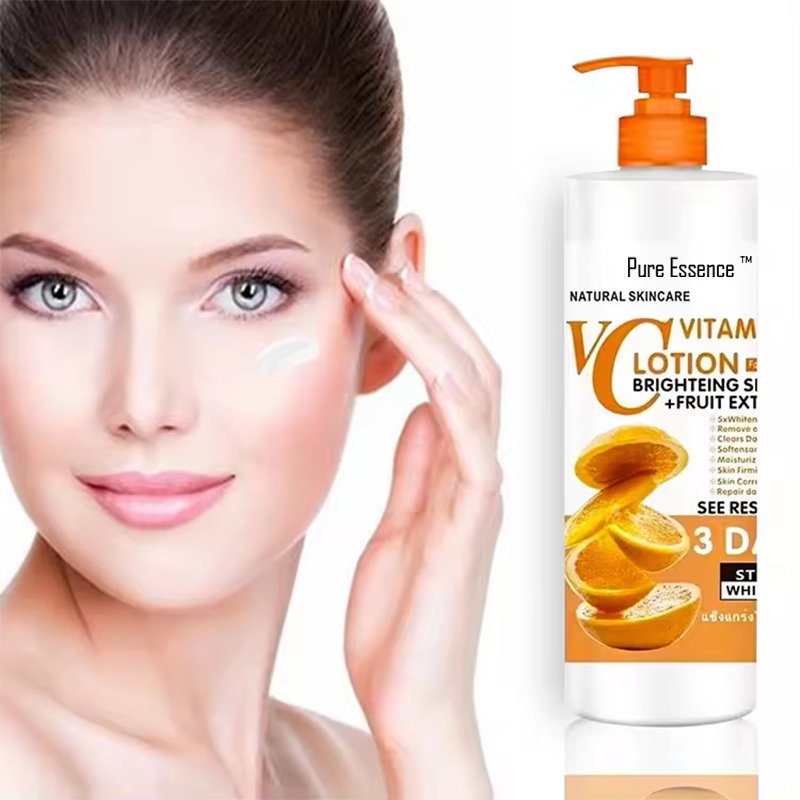
Introduction
Understanding body lotion ingredients is essential for developing effective and competitive skincare products. Consumers today are more informed than ever, paying close attention to ingredient lists, product claims, and skin compatibility.
For brands developing new skincare products, understanding ingredients is only the first step. Choosing the right manufacturing partner is equally important for formulation development, packaging, and production.
Learn more about our Private Label Service and how we support brands from concept development to finished products.
A complete Personal Care Manufacturing process combines formulation expertise, quality control, and production support to help brands launch competitive skincare products.
What Makes a Good Body Lotion Formula?
A high-quality body lotion formulation is designed to balance three key functions:
- Moisturizing – retaining skin hydration
- Protection – strengthening the skin barrier
- Sensory experience – texture, absorption, and feel
Modern formulations are expected to deliver hydration without greasiness while being suitable for daily use across different skin types.
1. Key Moisturizing Ingredients
Moisturizing ingredients are the foundation of any body lotion.
Common examples:
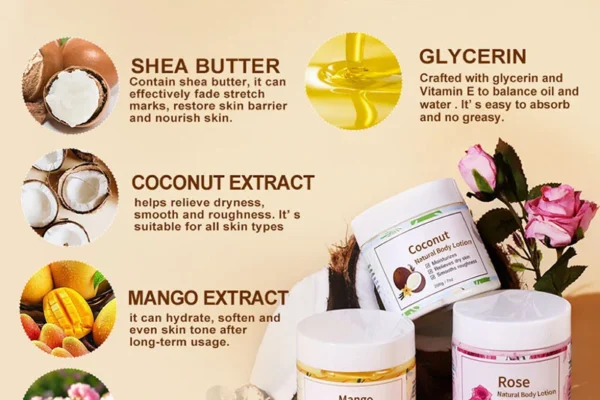
- Glycerin – attracts water and maintains hydration
- Hyaluronic Acid – provides deep hydration
- Shea Butter – nourishes and softens skin
- Natural Oils (coconut, almond, jojoba) – lock in moisture
These ingredients help improve skin softness and prevent dryness, making them essential for both mass-market and premium body lotion products.
2. Active Ingredients for Skin Function
Active ingredients are used to enhance specific product benefits and differentiate your formulation.
Examples include:
- Niacinamide – improves skin tone and brightness
- Ceramides – support skin barrier repair
- Vitamin E – provides antioxidant protection
- Panthenol (Vitamin B5) – soothes and hydrates skin
These ingredients are commonly used in functional body lotions targeting skincare benefits beyond basic hydration.
3. Ingredients for Sensitive Skin
Sensitive skin formulations require carefully selected ingredients to minimize irritation.
Common choices:
- Aloe Vera – soothing and calming
- Chamomile Extract – reduces irritation
- Mild emulsifiers – stabilize the formula gently
These formulations are often fragrance-free or use very mild fragrances to reduce potential skin reactions.
4. Natural and Clean Beauty Ingredients
Natural and clean beauty trends are driving demand for plant-based formulations.
Common ingredients:
- Botanical extracts
- Plant-based oils
- Naturally derived emulsifiers
Explore Natural Body Lotion Manufacturing Solutions →
These ingredients support eco-conscious branding and are popular in premium and European markets.
5. Texture and Absorption Enhancers
Texture is a key factor in consumer experience.
Ingredients used:
- Light emollients for fast absorption
- Silicones (in some formulations) for smooth feel
- Emulsifiers for stable texture
The right balance ensures the lotion is neither too heavy nor too watery, improving overall user satisfaction.
6. Preservatives and Stability Components
Preservation is critical for product safety and shelf life.
Common preservatives:
- Phenoxyethanol
- Ethylhexylglycerin
- Natural preservation systems
Manufacturers must ensure formulations remain stable and safe throughout their shelf life, especially for export markets.
Body Lotion Ingredient Categories Overview
| Category | Function | Example Ingredients |
|---|---|---|
| Moisturizers | Hydration | Glycerin, Shea Butter |
| Actives | Skin function | Niacinamide, Ceramides |
| Sensitive | Low irritation | Aloe, Chamomile |
| Natural | Clean beauty | Plant oils |
| Texture | Feel & absorption | Emollients |
| Preservation | Stability | Phenoxyethanol |
How to Choose the Right Ingredients for Your Product
Selecting ingredients depends on several factors:
- Target market (mass, premium, clean beauty)
- Skin type focus (dry, sensitive, normal)
- Product positioning (functional vs basic)
- Regulatory requirements
Working with an experienced body lotion manufacturer helps ensure ingredient compatibility, formulation stability, and compliance with international standards.
Explore Body Lotion Manufacturing Capabilities →
Custom vs Standard Formulations
Brands can choose between:
Standard formulations:
- Faster to launch
- Lower development cost
- Proven performance
Custom formulations:
- Unique product positioning
- Greater differentiation
- More flexibility in ingredient selection
Many brands start with standard formulas and gradually move toward customization as they scale.
For brands comparing ready-made solutions and customized development, our OEM manufacturing process explains how formulation, testing, and production move from concept to commercial launch.
Conclusion
Understanding body lotion ingredients allows brands to create products that deliver both performance and strong market positioning. From moisturizing components to active ingredients and natural extracts, each element plays a role in product quality and consumer appeal.
By working with a professional body lotion manufacturer, brands can optimize formulations, ensure compliance, and bring competitive products to market efficiently.
Looking to Develop Your Body Lotion Products?
Ingredient selection is only the first step in building a successful skincare product.
FAQs
What are the most common ingredients in body lotion?
A: Common body lotion ingredients include moisturizers such as glycerin and shea butter, skin-conditioning ingredients like niacinamide and ceramides, natural extracts, emulsifiers, and preservatives that help maintain product stability.
Which ingredients make body lotion more moisturizing?
A: Moisturizing body lotions commonly use humectants such as glycerin and hyaluronic acid, combined with emollients like plant oils and shea butter to improve hydration and skin softness.
What ingredients are suitable for sensitive skin body lotion?
A: Sensitive skin formulations usually focus on gentle ingredients such as aloe vera, chamomile extract, mild emulsifiers, and fragrance-free systems to minimize potential irritation.
Can brands customize body lotion formulations?
A: Yes. Brands can customize body lotion formulations by adjusting ingredients, texture, fragrance, active components, and product positioning according to target markets and consumer needs.
What should brands consider when choosing body lotion ingredients?
A: Brands should consider target customers, skin type, product positioning, regulatory requirements, ingredient compatibility, and manufacturing capabilities when selecting a body lotion formula.