What Is Organic Shampoo?
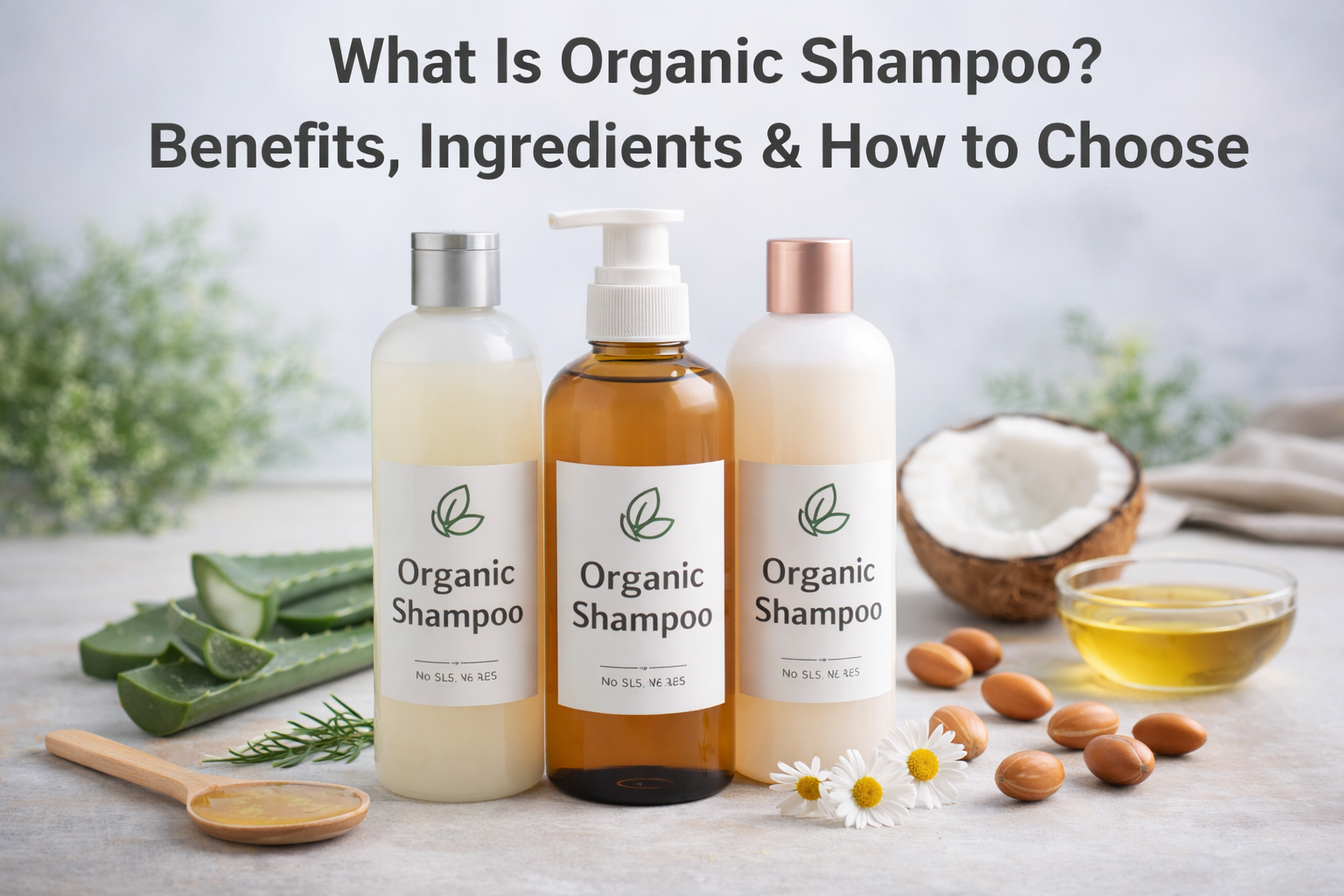
Organic shampoo is formulated using naturally derived ingredients, often sourced from plants, and designed to minimize the use of synthetic chemicals.
These shampoos are typically free from harsh sulfates, parabens, and artificial additives, making them a popular choice in clean beauty and eco-conscious markets.
Organic shampoo products are widely used in premium, natural, and wellness-focused personal care brands.
1. What Makes a Shampoo “Organic”?
An organic shampoo usually contains ingredients that are:
- Plant-based or naturally derived
- Free from harsh chemicals
- Sourced from sustainable or certified suppliers
- Processed with minimal chemical modification
Some brands also pursue certifications such as ECOCERT or COSMOS to strengthen product credibility in international markets.
2. Benefits of Organic Shampoo
Organic shampoo offers several advantages for both consumers and brands:
- Gentle on the scalp and hair
- Supports natural hair balance
- Aligns with clean beauty trends
- Appeals to eco-conscious consumers
- Enhances premium brand positioning
These benefits make organic formulations highly attractive in European and high-end global markets.
3. Common Ingredients in Organic Shampoo
Organic shampoo formulations often include:
- Aloe vera
- Coconut-derived surfactants
- Argan oil
- Tea tree oil
- Chamomile extract
- Botanical extracts
These ingredients provide cleansing, nourishment, and scalp care while maintaining a natural product profile.
4. Organic Shampoo vs Natural Shampoo
Although often used interchangeably, there are differences:
| Feature | Organic Shampoo | Natural Shampoo |
|---|---|---|
| Ingredient sourcing | Certified organic | Naturally derived |
| Certification | Often required | Not always |
| Market positioning | Premium | Mid to premium |
| Price level | Higher | Medium |
Organic shampoo typically emphasizes certification and traceability.
5. Who Should Use Organic Shampoo?
Organic shampoo is ideal for:
- Clean beauty brands
- Eco-conscious consumers
- Premium hair care product lines
- Sensitive scalp users
This category is especially strong in EU and high-end retail markets.
6. How to Develop an Organic Shampoo Product
When creating an organic shampoo, brands should consider:
- Ingredient sourcing and certification
- Formula stability and shelf life
- Packaging compatibility
- Regulatory requirements for target markets
Working with an experienced manufacturer can simplify this process.
👉 Learn more about our
Organic Shampoo Manufacturer
solutions for formulation and production support.
7. Can Organic Shampoo Be Customized?
Yes, organic shampoo formulations can be tailored based on:
- Hair type (dry, oily, damaged)
- Market positioning (luxury, natural, vegan)
- Ingredient preferences
- Fragrance and texture
Customization allows brands to differentiate while maintaining a natural profile.
Conclusion
Organic shampoo is a key segment in modern hair care, driven by growing consumer demand for clean, natural, and sustainable products.
For brands entering or expanding in this category, organic formulations provide strong market potential and long-term positioning advantages.
Looking to Launch Organic Shampoo Products?
If you’re planning to develop an organic shampoo line, choosing the right manufacturing partner is essential.
👉 Explore our
Organic Shampoo Manufacturer
services for customized organic formulation and production.