Ⅰ. Introduction
Alkaline mouthwash has become an emerging category in the global oral care market, driven by increasing demand for gentle, alcohol-free, and functional oral hygiene products.
For brands, retailers, and importers, developing an alkaline mouthwash product requires more than selecting a popular concept. Successful products depend on formula design, ingredient compatibility, packaging selection, regulatory requirements, and a reliable manufacturing partner.
This guide explains the key considerations for developing private label alkaline mouthwash, including formulation options, production processes, packaging formats, compliance requirements, and how brands can work with an OEM manufacturer to bring their products to market.
Ⅱ. What Is Alkaline Mouthwash? Understanding the Product Concept
Alkaline mouthwash is an oral rinse formulated with a pH level above neutral, typically designed to support a balanced oral environment.
Unlike conventional mouthwash products that mainly focus on breath freshening or antibacterial functions, alkaline mouthwash concepts are often developed around consumer demands for gentle daily care, clean-label positioning, and alcohol-free formulations.
From a manufacturing perspective, creating an alkaline mouthwash requires careful consideration of buffering systems, active ingredients, flavor stability, preservation, and overall formula performance.

1. Understanding Alkaline pH in Oral Care
The pH scale ranges from 0 to 14. A pH below 7 is acidic, while a pH above 7 is alkaline. The natural pH of the mouth environment is slightly acidic, usually between 6.5 and 7. However, factors like sugary and acidic foods and certain oral and medical conditions can lower your mouth’s pH.
An alkaline mouthwash helps maintain oral pH balance. It also helps create a less favorable environment for the acidogenic bacteria. And it benefits the smokers. An acidic mouth environment promotes the growth of acidogenic bacteria. These bacteria produce acids as a by-product, which can demineralize the enamel.
2. Alkaline vs Non-Alkaline Mouthwash
An alkaline mouthwash neutralizes acids and balances the mouth’s pH level. A balanced oral pH helps to reduce bacteria and freshen breath. The primary objective of this mouthwash brand is to create an environment that diminishes enamel erosion and gum disease and supports oral health.
Non-alkaline mouthwash formula targets to kill bacteria, reduce plaque, and freshen breath. Most these mouthwashes contain alcohol, the active ingredient targeting bacteria. They may also cause irritation and dryness in some individuals. When you want to purchase mouthwash, you can consider the differences between alkaline mouthwash and non-alkaline mouthwash.
- Focus: Alkaline mouthwash focuses on pH balance, while non-alkaline mouthwash focuses on antibacterial action.
- Ingredients: Alkaline mouthwash uses ingredients that neutralize acid, while non-alkaline mouthwash may contain alcohol and other antibacterial ingredients.
- Side Effects: Alkaline mouthwash is gentler and less likely to cause irritation or dryness than non-alkaline.
3. Why Choose Alkaline Mouthwash?
Alkaline mouthwash advantages not only relate to our health. The product is gaining popularity, making it a potential business opportunity. As consumers are becoming more conscious of their health, many are looking for newer products that are safe, gentle, and offer long-term benefits.
Here are some advantages of alkaline mouthwash relating to oral health:
- Better breath freshening
- Neutralizes acid
- Prevents tooth decay
- Enhances enamel remineralization
- Reduces gum inflammation and disease
There are many benefits of using this mouthwash. Most users report improved experiences after using the product. The main benefits are reduced plaque, healthier gums, and improved long-term oral health.
Ⅲ. Key Formulation Considerations for Private Label Alkaline Mouthwash
Developing a private label alkaline mouthwash requires careful consideration of formula performance, ingredient selection, consumer expectations, and regulatory requirements.
Unlike simply adjusting the pH level, a successful alkaline mouthwash formula needs to achieve a balance between effectiveness, taste, stability, and user experience. For brands planning to launch their own oral care products, working with an experienced mouthwash manufacturer can help ensure that the formula is commercially viable and suitable for the target market.
The key formulation considerations include:

1. pH Balance and Buffering System
The pH level is one of the most important characteristics of an alkaline mouthwash formula.
A professional formulation approach does not simply increase alkalinity by adding alkaline ingredients. The formula needs a stable buffering system to maintain the desired pH throughout the product shelf life while ensuring a comfortable mouthfeel during daily use.
During development, manufacturers typically evaluate:
• Target pH range according to product positioning
• Buffering ingredients and compatibility
• Stability under different storage conditions
• Interaction between active ingredients and preservatives
For private label brands, the final pH specification should be determined together with the intended market requirements, product claims, and regulatory considerations.
2. Active Ingredients Selection
The performance of an alkaline mouthwash depends not only on pH, but also on the selection and combination of functional ingredients.
Depending on the product concept, brands may develop formulas focused on:
• Daily oral freshness
• Gentle oral care
• Gum care positioning
• Whitening support
• Natural or clean-label concepts
• Sensitive oral care
Common ingredient categories may include botanical extracts, essential oils, humectants, sweeteners, minerals, and other functional components.
A professional OEM manufacturer evaluates ingredient compatibility carefully because certain ingredients may affect:
• Formula stability
• Flavor performance
• Product appearance
• Preservation system
• Packaging compatibility
3. Alcohol-Free and Consumer-Friendly Formulation
Many modern oral care brands are moving toward alcohol-free mouthwash formulations due to growing consumer demand for gentle daily-use products.
When developing an alcohol-free alkaline mouthwash, manufacturers need to optimize several aspects:
• Freshness perception
• Cooling sensation
• Flavor intensity
• Preservation performance
• Overall user experience
Without alcohol, achieving a pleasant sensory experience requires careful selection of flavors, sweeteners, solubilizers, and other supporting ingredients.
This is one reason why formulation experience is important when selecting a private label mouthwash manufacturing partner.
4. Flavor System and Sensory Experience
Flavor is a critical factor influencing consumer acceptance of mouthwash products.
Although mint remains the most popular choice in many markets, brands increasingly explore differentiated concepts such as:
• Natural mint
• Herbal blends
• Botanical flavors
• Mild refreshing profiles
• Premium wellness-inspired flavors
During product development, manufacturers evaluate:
• Flavor stability over shelf life
• Compatibility with active ingredients
• Cooling intensity
• Aftertaste
• Consumer target preference
A successful alkaline mouthwash formula should provide a pleasant daily-use experience rather than focusing only on technical specifications.
5. Stability Testing and Manufacturing Validation
Before commercial production, a private label alkaline mouthwash formula should go through appropriate testing and validation.
Typical development evaluations include:
• Physical appearance
• pH stability
• Microbial testing
• Preservative effectiveness
• Packaging compatibility
• Accelerated stability testing
These steps help confirm that the product maintains consistent quality during transportation, storage, and retail distribution.
For brands entering international markets, early validation can reduce risks related to product complaints, supply chain delays, and reformulation after launch.
6. Regulatory and Market Requirements
Different markets have different requirements for oral care products.
Before production, brands should define:
• Target sales market
• Product classification
• Allowed product claims
• Ingredient restrictions
• Labeling requirements
For example, cosmetic oral care products generally need to avoid therapeutic claims unless they meet specific regulatory requirements.
An experienced OEM manufacturer can support brands by reviewing formulation direction, ingredient compliance, and documentation requirements before mass production.
Choosing the right formulation strategy is one of the most important steps when launching a private label alkaline mouthwash.
A reliable manufacturing partner can help brands move from product concept to commercial production through:
• Formula development
• Ingredient sourcing
• Prototype testing
• Packaging selection
• Quality control
• Scalable manufacturing
This allows brands to focus on marketing and distribution while relying on professional manufacturing capabilities.
Ⅳ. Market Opportunity for Private Label Alkaline Mouthwash Brands
The oral care market continues to evolve as consumers increasingly look for products that combine daily hygiene with additional functional benefits.
Alkaline mouthwash represents an opportunity for brands, retailers, and importers that want to develop differentiated oral care products beyond traditional breath freshening solutions.
For private label brands, the opportunity is not only about launching another mouthwash product. It is about creating a clear product positioning, selecting the right formula concept, and building a scalable supply chain with an experienced manufacturing partner.
1. Growing Demand for Functional Oral Care Products

Consumers are becoming more aware of ingredient choices, product safety, and long-term oral care routines.
Traditional mouthwash products often focus on strong freshness or antibacterial positioning. However, many emerging oral care brands are exploring gentler concepts, including:
• Alcohol-free mouthwash
• Natural oral care formulas
• Clean-label ingredients
• pH-balanced oral care products
• Sensitive oral care solutions
This shift creates opportunities for brands to develop specialized alkaline mouthwash products that match specific consumer preferences and market trends.
2. Opportunities for DTC Brands and Emerging Oral Care Companies
The growth of e-commerce and direct-to-consumer (DTC) brands has lowered the barriers for new oral care companies entering the market.
Many emerging brands are no longer competing only through traditional retail channels. Instead, they build their identity through:
• Online marketplaces
• Brand websites
• Subscription models
• Social media marketing
• Health and wellness communities
For these companies, private label manufacturing provides a practical way to develop professional oral care products without investing in their own factory, production equipment, or formulation facilities.
3. Retail and Distribution Potential
Alkaline mouthwash can also provide opportunities for wholesalers, distributors, and retailers looking to expand their oral care portfolio.
Successful retail products usually require more than an attractive concept. Buyers typically evaluate:
• Product differentiation
• Consistent supply capability
• Packaging suitability
• Regulatory compliance
• Competitive production costs
Working with an experienced OEM manufacturer allows brands and distributors to develop products that are suitable for different sales channels, including pharmacies, health stores, supermarkets, and online platforms.
4. Product Differentiation Through Formula and Packaging
In a competitive oral care market, differentiation is essential.
Private label alkaline mouthwash brands can create unique market positioning through:
• Customized formulations
• Specific flavor profiles
• Functional ingredient combinations
• Premium packaging designs
• Different bottle sizes and formats
For example, brands may choose different directions depending on their target customers:
• Premium wellness positioning
• Natural botanical positioning
• Family daily-care positioning
• Professional oral-care positioning
A flexible manufacturing partner can help translate these concepts into commercially realistic products.
5. Why Choosing the Right Manufacturing Partner Matters
The success of a private label oral care product depends heavily on the manufacturing partner behind it.
A qualified alkaline mouthwash manufacturer should provide:
• Formula development support
• Ingredient sourcing capability
• Production capacity
• Quality control procedures
• Documentation support
• International market experience
Choosing a manufacturer early in the development process helps brands avoid common challenges such as unsuitable formulas, unrealistic packaging concepts, unstable supply chains, and unexpected production costs.
For brands planning to enter the alkaline mouthwash category, the key challenge is not only creating an innovative product concept but also developing a reliable path from formulation to commercial production.
Partnering with an experienced private label mouthwash manufacturer enables companies to launch differentiated oral care products while maintaining quality, scalability, and market flexibility.
Ⅴ. Developing Private Label Alkaline Mouthwash: From Concept to Commercial Production
Launching a private label alkaline mouthwash requires a structured development process that connects product ideas with reliable commercial manufacturing.
For brands, wholesalers, and importers, the process involves multiple stages, including formula selection, prototype evaluation, packaging development, regulatory review, and mass production.
Working with an experienced OEM mouthwash manufacturer helps simplify this process by providing technical support and manufacturing expertise from initial concept to finished products.
1. Define Product Positioning and Market Requirements
Before developing an alkaline mouthwash formula, brands should first define their product positioning and target market.
Important considerations include:
• Target consumers and sales channels
• Product positioning (premium, natural, clinical, wellness, or daily care)
• Target country regulations
• Desired product claims
• Packaging format and price positioning
A clear product direction allows manufacturers to recommend suitable formula approaches, ingredient options, and production solutions.
2. Formula Development and Sample Evaluation
Formula development is one of the most important stages of creating a private label alkaline mouthwash.
Depending on the brand requirements, manufacturers may support:
• Existing formula adaptation
• Base formula customization
• New formula development
• Ingredient adjustment
• Flavor optimization
During sample evaluation, brands typically review:
• Taste and freshness
• Mouthfeel
• Appearance
• pH performance
• Overall product experience
Sample feedback helps manufacturers refine the formula before commercial production.
3. Packaging Selection and Brand Customization
Packaging plays an important role in product differentiation and market positioning.
Private label alkaline mouthwash products can be customized through:
• Bottle size and shape
• Cap design
• Label artwork
• Printed packaging
• Retail carton design
Common packaging formats include:
• Standard mouthwash bottles
• Travel-size bottles
• Premium glass packaging
• Specialty formats for specific markets
An experienced manufacturer can help brands select packaging solutions that balance appearance, functionality, production feasibility, and cost.
4. Regulatory Review and Documentation
Before entering production, alkaline mouthwash products should be reviewed according to the requirements of the target market.
Key considerations may include:
• Ingredient compliance
• Product labeling requirements
• Allowed product claims
• Safety documentation
• Quality control records
Different countries have different regulations for oral care products. Defining the target market early helps manufacturers prepare appropriate documentation and reduce compliance risks during export.
5. Pilot Testing and Mass Production
After formula approval and packaging confirmation, the product can move into commercial manufacturing.
Typical production stages include:
1. Raw material preparation
2. Formula mixing and quality inspection
3. Filling and packaging
4. Finished product testing
5. Shipment preparation
A professional OEM manufacturer should maintain consistent production standards through quality control procedures and documented manufacturing processes.
6. Scaling From Initial Launch to Long-Term Supply
For emerging brands, the first production order is only the beginning of a long-term product strategy.
As sales grow, brands may expand through:
• Additional flavors
• New product sizes
• Related oral care products
• Regional market expansion
Selecting a manufacturing partner with flexible development capability and stable production capacity allows brands to build a sustainable oral care product portfolio.
From formula development to final production, choosing the right manufacturing partner is essential for building a successful private label alkaline mouthwash brand.
RuiqiGO supports global brands with OEM and private label oral care manufacturing solutions, helping customers develop market-ready products through professional formulation, production, quality management, and export support.
Ⅵ. How to Choose the Right Alkaline Mouthwash Manufacturer
Choosing the right alkaline mouthwash manufacturer is one of the most important decisions for brands entering the oral care market.
A manufacturing partner does not only provide production services. The right partner should also support product development, formula optimization, quality management, packaging coordination, and long-term supply stability.
For wholesalers, importers, and private label brands, evaluating a manufacturer based on capability, experience, and quality systems can help reduce development risks and build a more reliable product supply chain.
1. Oral Care Manufacturing Experience
A manufacturer with specific oral care experience can better understand the technical requirements of mouthwash development.
Important factors include:
• Experience with liquid oral care products
• Understanding of mouthwash formulation systems
• Knowledge of ingredient compatibility
• Ability to support different product positioning
• Experience serving international markets
Oral care products require different considerations compared with general personal care products, especially regarding taste, stability, consumer experience, and regulatory requirements.
(1) Reduced Setup Cost
A private label manufacturer eliminates the need to purchase production equipment and factory setup costs. Depending on the production quantities, you will need to pay for the service of using their facility.
(2) Research and Development
Established oral care product manufacturers have well-established research and development departments. Their R&D will help you test and verify the suitability of your ingredients for your private-label alkaline mouthwash. You don’t need to buy expensive laboratory equipment.
(3) Production Capacity
OEMs have the technical capacity to produce in large quantities. Production capacity is vital as demand for your product grows in the future. Some manufacturers also have an established supply chain that can help with market outreach. Besides, the alkaline mouthwash manufacturer can meet your customization demands and help you establish your brand.
(4) Qualification and Compliance
Using an OEM eliminates the need to seek detailed qualification and compliance certification. Since the manufacturer is already certified, the certification process is not as demanding as when starting a new factory.
2. Formula Development Capability
Formula capability is a key difference between a simple filling supplier and a professional OEM manufacturing partner.
Brands should evaluate whether a manufacturer can support:
• Existing formula adaptation
• Custom formula development
• Ingredient recommendations
• Sensory optimization
• Stability evaluation
A reliable manufacturer should be able to discuss not only what ingredients can be added, but also how different components interact within the final formula.
3. Production Capacity and Quality Management
Consistent production quality is essential when launching an oral care product for international markets.
Brands should consider:
• Manufacturing facilities
• Production equipment
• Quality control procedures
• Batch consistency
• Documentation management
Quality systems such as ISO standards and GMP-related practices help manufacturers maintain reliable production processes and support global customers.
4. Packaging and Supply Chain Support
A successful mouthwash product requires more than a good formula.
Packaging selection, sourcing coordination, and production planning also influence the final product quality and launch timeline.
A capable OEM partner can support:
• Bottle and cap selection
• Label and packaging coordination
• Filling and assembly
• Production scheduling
• Export preparation
This integrated approach helps brands simplify communication by working with one experienced manufacturing partner.
5. Regulatory and Export Experience
For brands selling internationally, regulatory knowledge and export experience are important considerations when selecting a manufacturer.
A professional partner should understand requirements related to:
• Ingredient documentation
• Product specifications
• Label information
• Quality records
• Export documentation
Early communication about target markets helps avoid delays caused by unsuitable formulas, incorrect claims, or incomplete documentation.
6. Minimum Order Quantity and Long-Term Cooperation
MOQ requirements are another important factor for private label brands.
While smaller initial orders may seem attractive, professional manufacturing requires consideration of:
• Raw material sourcing
• Packaging minimums
• Production efficiency
• Quality control requirements
The right manufacturing partner should provide realistic solutions that balance startup flexibility with sustainable commercial production.
For growing brands, a long-term manufacturing relationship is often more valuable than choosing a supplier based only on the lowest initial price.
(1) Technical Strength
Look for a manufacturer that can produce the quantities you target and has room for future growth as per demand. Your manufacturer must also have an R&D department with an equipped laboratory for researching and testing the alkaline mouthwash recipe.
(2) Industry Qualification and Compliance
Your private-label alkaline mouthwash manufacturer should hold the necessary qualifications and certifications. These include the NDA, FDA, and EU REACH, which ensure the manufacturer follows strict hygiene, quality, and safety standards. Others are ISO for quality management and Good Manufacturing Practices (GMP).
(3) Supply Chain Stability
Ensure your private label manufacturer has a stable supply of raw materials. Check whether a long-term agreement exists between the manufacturer and raw material suppliers. This ensures a steady supply throughout all seasons.
(4) Legal Compliance
Your manufacturer should be able to accept a legal relationship that can accommodate future changes. Ensure that the agreement also covers things like innovation protection. And the comprehensive guide will give you more details to help you choose the suitable manufacturer.
Selecting an alkaline mouthwash manufacturer is not only about finding a production facility. It is about choosing a partner that can support product development, quality assurance, and commercial growth.
RuiqiGO provides OEM and private label oral care manufacturing solutions for global brands, supporting projects from initial formulation concepts through commercial production and export.
Ⅶ. Best Alkaline Mouthwash Brands
Most dentists recommend alkaline mouthwashes to neutralize acid and benefit oral hygiene. The top five alkaline mouthwash brands that dentists recommend are:
1.TheraBreath Fresh Breath Oral Rinse :
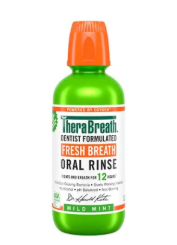
Its gentle, non-burning formula is comfortable for daily use. It effectively freshens breath and reduces oral acidity.
2. Dr. Brite Healthy Gums MouthwashAdd Your Heading Text Here
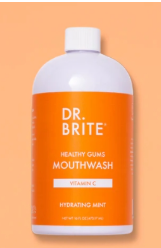
This is an alkaline mouthwash made of natural ingredients. It combines aloe vera, peppermint oil, and tea tree oil, which provides a refreshing and soothing experience.
3. Closys Ultra Sensitive Mouthwash
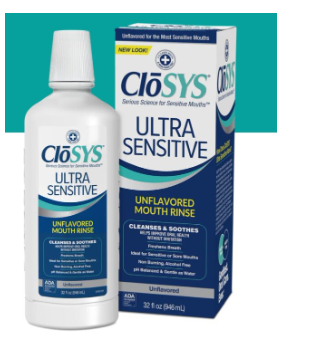
It targets sensitive teeth and gums. It uses an alkaline formula free from alcohol and harsh chemicals, making it an excellent choice for people seeking an effective and gentle alkaline mouthwash.
4. Oral-B Pro-Expert Multi-Protection Mouthwash
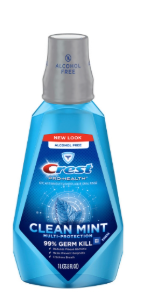
It uses an alkaline formula that offers comprehensive oral care. It helps fight bad breath, plaque, and gum problems.
5. Listerine Zero Alcohol Mouthwash
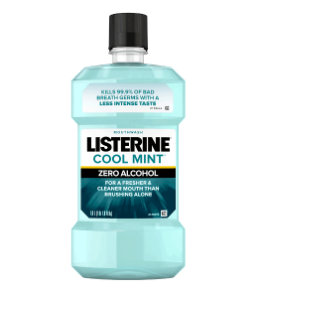
It is a well-known oral care brand. The mouthwash helps freshen breath and reduce plaque buildup. Its zero alcohol content makes it gentler, as it helps balance oral pH.
6. What Sets Top Brands Apart
Most of the top brands of alkaline mouthwashes also offer additional ingredients that help in:
- Preventing cavities
- Treating gingivitis
- Loosening plaque
- Antibacterial
- Freshens bad breath
7. Where to Find Quality Wholesale Options
Are you looking for a quality wholesale options supplier or manufacturer of alkaline mouthwash?
There are many online relevant sellers. You must ensure that the supplier can meet your demand and has a sustainable production capacity.
Ⅷ. What to Look for in the Best Alkaline Mouthwash
1. Ideal pH Range and Active Ingredients
The mouthwash must have a pH greater than seven on the pH scale. You must also ensure it has the standard and safe ingredients that make up mouthwashes. Look for alkaline mouthwash ingredients like fluoride, chlorhexidine, essential oils, xylitol, Cetylpyridinium Chloride (CPC), and hydrogen peroxide.
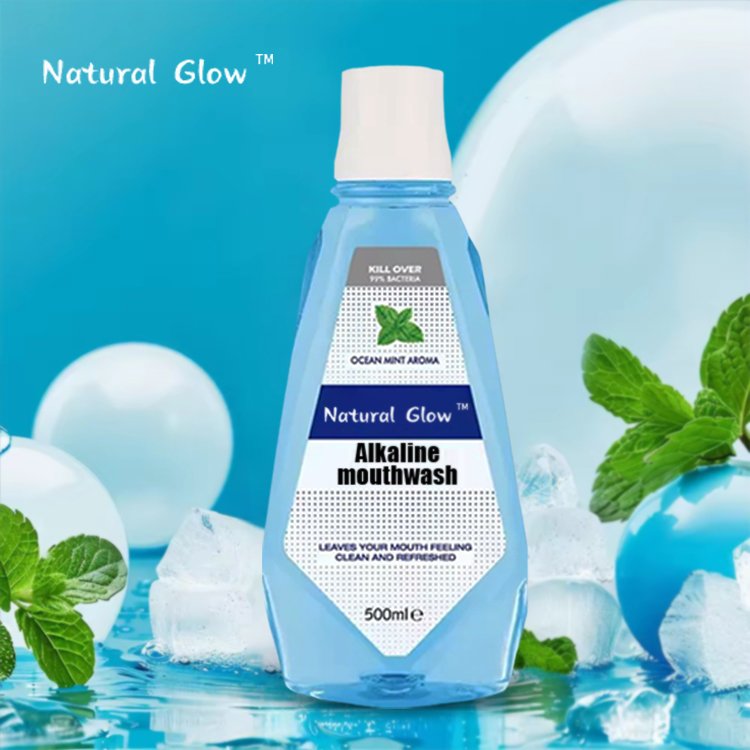
2. Natural, Safe, and Allergen-Free Choices
You can look for an alkaline mouthwash recipe that combines natural ingredients like aloe vera or green tea extract. There is also an option for an alkaline mouthwash brand that doesn’t use allergenic ingredients.
3. Packaging, Storage, and Shelf Life for Retail or Bulk Supply
The mouthwash package determines its portability and storage. Look for packaging that makes it easy to carry and store your alkaline mouthwash.
Ⅸ. Conclusion
Alkaline mouthwash is revolutionizing oral care. It is better than non-alkaline mouthwash because it helps balance your mouth’s pH environment. Acidity in the mouth creates a conducive environment that enables acidogenic bacteria and activity growth. So, it can help suppress the growth of bacteria.
If you want to deal with an alkaline mouthwash or develop one, opt for a private-label product. There is an opportunity for brand owners, wholesalers, and importers.
<p>Within RuiqiGO, commercial mouthwash formulation and production are handled by ORALABX, the group’s dedicated oral care manufacturing division. Formulation scope, MOQ and lead times are set out on the ORALABX private label mouthwash page.
FAQ
What is private label alkaline mouthwash?
Private label alkaline mouthwash is a product developed and manufactured by an OEM partner according to a brand’s requirements.
The manufacturer supports formula development, ingredient selection, packaging customization, and commercial production, while the brand sells the finished product under its own name.
This allows companies to launch customized oral care products without investing in their own manufacturing facilities.
Can I customize the formula of alkaline mouthwash?
Yes. Alkaline mouthwash formulas can be customized according to the brand’s positioning, target market, and product requirements.
Customization options may include:
• pH level adjustment
• Flavor selection
• Alcohol-free formulation
• Botanical ingredients
• Functional ingredients
• Product positioning such as natural, premium, or daily oral care
The final formula should be evaluated for stability, sensory performance, ingredient compatibility, and regulatory requirements before commercial production.
What is the MOQ for private label alkaline mouthwash production?
The MOQ for private label alkaline mouthwash depends on factors such as formula type, bottle size, packaging requirements, and production process.
For standard mouthwash products, commercial production typically requires a minimum quantity that allows efficient sourcing, filling, and quality control.
Brands should confirm their expected sales volume, packaging design, and customization requirements with the manufacturer before starting development.
How long does it take to develop and manufacture alkaline mouthwash?
The timeline depends on whether the brand uses an existing formula or develops a customized product.
A typical development process may include:
• Formula review and adjustment
• Sample preparation
• Testing and approval
• Packaging confirmation
• Commercial production
For customized projects, early communication with the manufacturer helps reduce delays and ensures the product meets market requirements before mass production.
What packaging options are available for private label mouthwash?
Private label alkaline mouthwash can be customized with different packaging solutions depending on the target market and product positioning.
Common options include:
• Standard plastic bottles
• Different bottle sizes
• Custom labels
• Retail cartons
• Premium packaging designs
A professional manufacturer can help brands select packaging that balances appearance, functionality, production feasibility, and cost.
How do I choose a reliable alkaline mouthwash manufacturer?
When selecting an alkaline mouthwash manufacturer, brands should evaluate more than production price.
Important factors include:
• Oral care manufacturing experience
• Formula development capability
• Quality management systems
• Production capacity
• Export experience
• Documentation support
A reliable manufacturing partner should be able to support the complete process from product concept and formulation to commercial production and shipment.
Are you planning to develop your own alkaline mouthwash brand? RuiqiGO provides OEM and private label oral care manufacturing solutions, supporting global brands from formula development to commercial production.