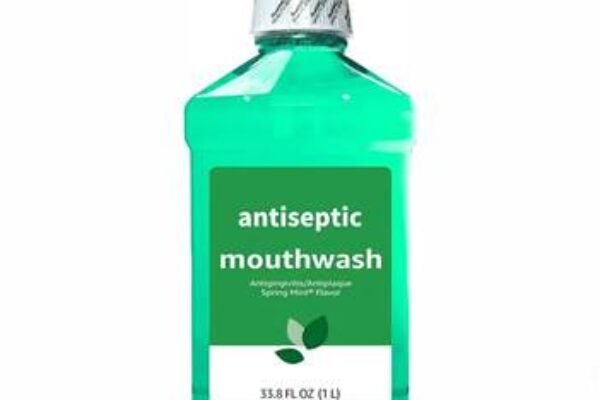
Taking care of your teeth is not just about brushing and flossing. The mouthwash you choose can make a big difference in your oral health. If you’re looking to protect your teeth from cavities and maintain good dental health, alkaline mouthwash is one option that some people consider for supporting oral pH balance and enamel protection. But why is an alkaline mouthwash better, and which ones should you consider? Let’s dive in.
I. The Science Behind Alkaline Mouthwash
The bacteria in your mouth can’t create cavities unless they’re in an acidic environment (0-5.5 pH). Even if you consume sugar-free drinks, your mouth can still become acidic, putting you at risk for cavities. It takes about an hour for your mouth to return to a neutral pH after eating or drinking. Alkaline products can help speed up this process, making them important for cavity prevention.
Mouthwash products vary considerably in pH depending on their formulation and intended purpose. Some products are mildly acidic, while others are neutral or slightly alkaline. Product performance depends on the complete formulation rather than pH alone. Acid-producing bacteria contribute to enamel demineralization when plaque pH drops below the critical level after frequent sugar exposure.
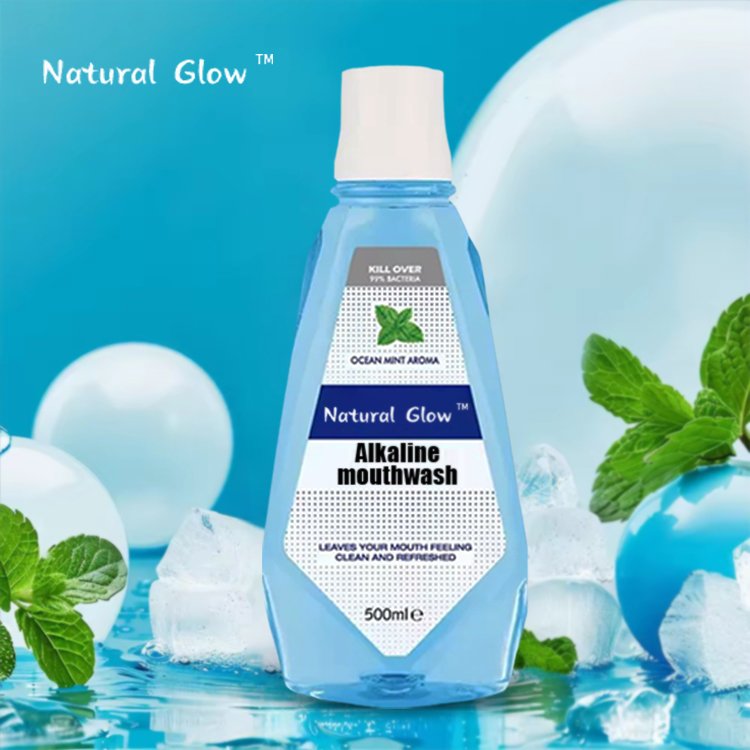
II. Key Benefits of Alkaline Mouthwash
1. Enamel Protection
- Acid Neutralization: Ingredients like sodium bicarbonate release hydroxide ions to counteract oral acids.
- Long-Term Preservation: Ideal for those consuming acidic foods or beverages regularly, reducing enamel damage over time.
2. Cavity Prevention
- Microbial Control: Alkaline conditions inhibit the growth of acid-producing bacteria, decreasing the risk of tooth decay.
- pH-Driven Defense: Maintaining a higher oral pH (above 5.5) prevents enamel demineralization.
3. Oral Microbiome Balance
- Harmony Restoration: Alkaline rinses soothe irritated gums and minimize bad breath by regulating the oral microbiome.
- Non-Irritating Formulas: Gentle on oral tissues, suitable for daily use.
III. Avoiding Acidic Mouthwashes
It’s not necessary to completely give up using acidic pH mouthwashes, but you might not want to use them 2-3 times a day every day. Instead, use them once or twice a week or alternate them with a basic or neutral mouthwash. Follow the directions on the label, as they are probably written for a reason.
IV. What Is an Alkaline Mouthwash?
An alkaline mouthwash is one that is basic instead of acidic. Alkaline substances have fewer hydrogen ions than water, so when dissolved, they become basic. Alkaline ions help neutralize acids once they dissolve. If you are cavity-prone, many dentists recommend avoiding acidic mouthwashes and opting for alkaline ones instead.

V. Criteria for Selecting the Best Alkaline Mouthwash
1. pH Level
- Optimal Range: Aim for a pH of 8 or higher, verified through product labels or ingredient lists.
- Stability: Ensure the formula maintains alkalinity without compromising other active ingredients.
2. Ingredients
- Alkalinity Boosters: Look for sodium bicarbonate, potassium citrate, or magnesium hydroxide.
- Additional Benefits: Some formulas include hydroxyapatite for remineralization or herbal extracts for anti-inflammatory effects.
3. Alcohol Content
- Dry Mouth Prevention: Alcohol-free options are preferable to avoid dehydrating oral tissues, which can increase acidity.
4. Clinical Validation
- Research-Backed: Choose products with studies demonstrating their ability to elevate oral pH or reduce acid levels.
Manufacturing Insight
From a manufacturing perspective, developing an effective alkaline mouthwash requires more than simply increasing product pH. Buffering systems, ingredient compatibility, preservative performance and flavor stability must all work together to ensure long-term product quality. Learn more about our oral care manufacturing capabilities for custom mouthwash development.
VI. Usage Tips for Maximum Effectiveness
1.Follow Instructions
Adhere to recommended usage frequency to avoid disrupting oral balance.
2.Integrate with Routine
Combine alkaline mouthwash with brushing, flossing, and a balanced diet.
3.Personalized Approach
Consult a dentist if you have specific oral health conditions, such as acid reflux or dental restorations.
VII. Conclusion
Selecting the best alkaline mouthwash depends on your oral health needs, ingredient quality and overall formulation—not pH alone. Whether you’re developing a consumer product or evaluating existing formulas, understanding ingredient compatibility and formulation design is equally important. Explore our guide to alkaline mouthwash formulation to learn more.
FAQs
What is an alkaline mouthwash?
An alkaline mouthwash is formulated with a neutral or alkaline pH to help reduce oral acidity after eating or drinking. Product performance depends on the complete formulation rather than pH alone.
Is alkaline mouthwash better than regular mouthwash?
Not necessarily. The best mouthwash depends on your oral-health needs. Fluoride rinses, antibacterial rinses and alkaline mouthwashes each serve different purposes.
Can alkaline mouthwash prevent cavities?
Alkaline mouthwash may help support a healthier oral environment by reducing acidity after meals, but cavity prevention also relies on fluoride, brushing, flossing and dietary habits.
What ingredients are commonly found in alkaline mouthwash?
Common ingredients include sodium bicarbonate, potassium citrate, arginine and buffering agents that help maintain the desired pH.
Should alkaline mouthwash be alcohol-free?
Many daily-use alkaline mouthwashes are alcohol-free to improve comfort and reduce oral dryness, although formulation varies by brand.
Can I use alkaline mouthwash every day?
Most over-the-counter alkaline mouthwashes are designed for daily use when used according to the manufacturer’s directions. If you have specific oral-health conditions, consult your dentist.