Table of Contents
Introduction
A successful shampoo is never designed for “everyone.”
Consumers living in Riyadh experience extreme heat, low humidity, and hard water. People in Southeast Asia deal with constant humidity and heavy perspiration. Urban consumers may wash their hair daily because of pollution and styling products, while frequent travelers often prefer lightweight, multifunctional formulas.
Although these products all fall under the category of shampoo, they require different formulation priorities.
For private label brands expanding into international markets, understanding climate, water conditions, and local lifestyles has become just as important as selecting fragrances or packaging. A formula that performs well in one region may deliver a completely different user experience somewhere else.
Instead of developing one universal shampoo, many successful brands now work with experienced OEM manufacturers to localize formulations for specific markets while maintaining consistent brand positioning.
This article explains how shampoo formulations change across different climates and consumer scenarios, and how manufacturers help brands build products that better match real-world needs.
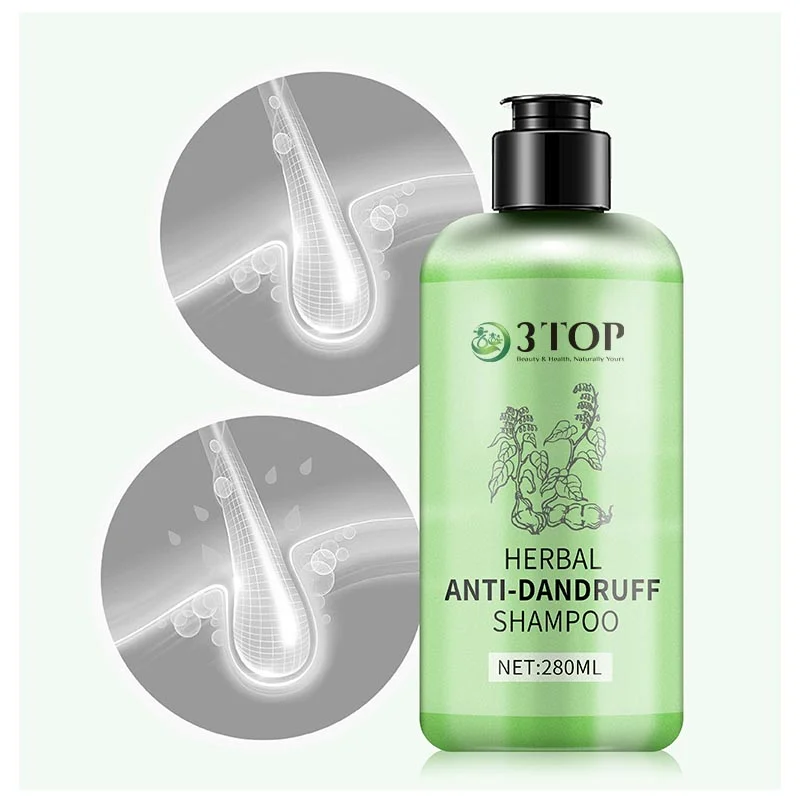
I. Why Climate Has a Direct Impact on Shampoo Formulation
Climate affects far more than consumer preferences. It directly influences scalp conditions, hair behavior, product stability, and even how consumers perceive cleansing performance.
Professional formulation development usually begins by understanding the environmental conditions where the product will be sold rather than selecting ingredients first.
1. Hot and Dry Regions
Countries in the Middle East, North Africa, and other desert climates often experience intense sunlight, high temperatures, and extremely low humidity.
Common consumer concerns include:
- Dry scalp
- Hair dehydration
- Increased brittleness
- UV damage
- Static electricity
Shampoo formulations for these regions often prioritize gentle cleansing systems, additional moisturizing ingredients, botanical oils, and conditioning polymers that reduce moisture loss without leaving excessive residue.
2. Humid Tropical Regions
Markets across Southeast Asia, parts of South America, and coastal regions face a completely different challenge.
Consumers frequently experience:
- Excess scalp oil
- Sweat accumulation
- Faster product buildup
- Flat hair
- Frequent washing
Instead of richer conditioning systems, these markets generally prefer lightweight formulations that remove excess oil while maintaining comfort for daily use.
Balancing cleansing performance without over-drying the scalp becomes one of the key formulation objectives.
3. Water Quality Differences
Many brands underestimate how local water quality changes shampoo performance.
Hard water contains higher concentrations of calcium and magnesium, which can reduce foam quality and leave mineral deposits on hair.
Soft water behaves differently, often requiring different surfactant balances to maintain a familiar washing experience.
Experienced manufacturers often evaluate target-market water conditions before finalizing a commercial formulation, especially for international launches.
4. Seasonal Adaptation
Consumer expectations also change throughout the year.
Winter products may require stronger moisturizing systems.
Summer formulations often emphasize refreshing sensations, lightweight conditioning, and scalp comfort.
Some brands even introduce seasonal limited editions to address temporary consumer needs while testing new formulation concepts before wider commercialization.
II. Shampoo Formulation for Hot and Dry Markets
The Middle East has become one of the fastest-growing premium personal care markets, making climate-specific formulation increasingly valuable for international brands.
Rather than simply increasing moisturizing ingredients, manufacturers usually balance several formulation elements simultaneously.
1. Gentle Cleansing Systems
Consumers still expect effective cleansing, but aggressive surfactants may increase scalp dryness under extreme environmental conditions.
Milder surfactant combinations can improve comfort while maintaining acceptable cleansing performance.
2. Moisture Retention
Ingredients that help reduce moisture loss often become more important than heavy conditioning.
Examples may include:
- Panthenol
- Glycerin
- Aloe vera extract
- Selected botanical oils
- Hydrolyzed proteins
These ingredients help improve hair feel without making the formula excessively heavy.
3. Scalp Comfort
High temperatures frequently increase scalp sensitivity.
Many regional products therefore incorporate soothing botanical ingredients designed to provide a more comfortable washing experience during daily use.
Peppermint, chamomile, tea tree derivatives, or cooling sensory systems may be selected depending on the desired positioning.
4. Regional Consumer Preferences
Beyond formulation, successful localization also considers:
- Preferred fragrance intensity
- Foam expectations
- Product appearance
- Packaging format
- Local regulatory requirements
These details help create products that feel specifically designed for local consumers rather than adapted from another market.
III. Shampoo Formulation for Humid and Coastal Markets
Consumers living in humid and coastal regions usually face very different hair care challenges compared with those in dry climates. High humidity, frequent sweating, and increased exposure to pollution often lead to excess sebum, scalp discomfort, and faster product buildup.
For these markets, consumers generally expect shampoos that leave the scalp feeling clean and refreshed without causing dryness after repeated daily use.
Instead of adding more conditioning ingredients, formulation usually focuses on achieving a better balance between cleansing performance and scalp comfort.
1. Lightweight Cleansing Performance
Heavy conditioning systems that work well in dry climates may leave hair feeling greasy or flat in tropical environments.
Many private label brands therefore choose lighter conditioning systems that rinse easily while maintaining softness.
2. Oil Control Without Over-Cleansing
Consumers increasingly understand that removing all scalp oil is not the goal.
An effective formulation helps remove excess sebum while maintaining the scalp’s natural balance.
This approach improves daily comfort and supports long-term consumer satisfaction.
3. Fresh Sensory Experience
Cooling sensations and refreshing fragrances are often more important in tropical regions.
Manufacturers may adjust fragrance intensity, cooling ingredients, and foam characteristics to match local consumer preferences.
Even small sensory adjustments can significantly improve repeat purchase rates.
4. Daily Use Compatibility
Consumers in humid markets often wash their hair every day.
This makes mild surfactant selection particularly important.
Formulas designed for frequent use should provide effective cleansing while minimizing unnecessary irritation or dryness.
IV. Lifestyle-Based Shampoo Formulation
Climate is only one part of formulation design.
Modern consumers also expect products that match their daily routines and personal lifestyles.
Rather than offering one shampoo for everyone, many successful brands now build collections targeting specific user groups.
1. Active Lifestyle
People who exercise frequently often wash their hair more than once per day.
These products usually prioritize:
- Fast rinsing
- Lightweight conditioning
- Refreshing fragrance
- Comfortable scalp feel
2. Urban Professionals
Consumers living in large cities are regularly exposed to dust, pollution, and styling products.
Their expectations often include:
- Deep yet gentle cleansing
- Residue removal
- Smooth hair after frequent washing
3. Color-Treated Hair
Hair coloring has become increasingly common across global markets.
Shampoos for color-treated hair generally emphasize:
- Mild cleansing systems
- Moisture retention
- Color protection
- Improved shine
4. Family and Daily Care
Many brands also develop shampoos suitable for everyday household use.
These products usually focus on:
- Gentle ingredients
- Mild fragrance
- Balanced cleansing
- Wide consumer acceptance
Developing products around consumer lifestyles helps brands create clearer product positioning and stronger long-term product portfolios. Looking for a private label conditioner manufacturer to help your business growth today.
V. How Private Label Manufacturers Localize Shampoo Formulas
Developing a successful shampoo involves much more than selecting ingredients from a catalogue.
Experienced custom shampoo formulation manufacturers evaluate multiple technical and commercial factors before recommending a formulation.
1. Market Positioning
The first step is understanding the intended market.
Questions typically include:
- Which country will the product be sold in?
- What price segment does the brand target?
- Which competitors will it compete against?
- What consumer problem is the product solving?
These answers establish the formulation direction before laboratory development begins.
2. Ingredient Selection
After defining the positioning, formulators optimize ingredient systems based on performance, regulatory compliance, and cost efficiency.
The goal is not simply adding more premium ingredients, but selecting combinations that deliver consistent user experience within the target price range.
3. Regulatory Considerations
Different countries have different cosmetic regulations.
Manufacturers should review ingredient compliance, labeling requirements, documentation, and claim limitations before commercial production.
Addressing regulatory requirements early helps reduce delays during product launch.
4. Consumer Testing and Optimization
Prototype evaluation remains an important stage of product development.
Brands often compare multiple formulations before selecting the final commercial version.
Feedback regarding foam, fragrance, texture, rinse feel, and overall user experience helps optimize the product before mass production.
Working closely with an experienced private label manufacturer allows brands to develop products that are better suited to their target consumers instead of relying on one generic formulation for every market.
FAQs
Does climate really affect shampoo performance?
Yes. Temperature, humidity, UV exposure, and local water quality can all influence how a shampoo performs on different hair and scalp types. Formulations designed for one region may not deliver the same user experience in another market.
Can one shampoo formula be sold worldwide?
Technically, yes. However, many successful brands choose to localize formulations for different regions to better match consumer expectations, environmental conditions, and local regulations.
How do private label manufacturers customize shampoo formulations?
OEM manufacturers evaluate the target market, product positioning, regulatory requirements, packaging, and performance expectations before developing customized formulations. Multiple prototype rounds are often completed before commercial production begins.
Conclusion
Successful shampoo development is no longer about creating one formula for every consumer.
Climate, lifestyle, water quality, and market positioning all influence how a shampoo should be formulated and experienced.
Brands that invest in localized formulation strategies are often better positioned to meet consumer expectations, differentiate their products, and build long-term customer loyalty.
Whether launching a new shampoo line or expanding into international markets, working with an experienced private label manufacturer can help transform market insights into commercially successful products.
Looking for a Custom Shampoo Manufacturer?
RuiqiGO helps private label brands develop customized shampoo formulations based on target markets, consumer preferences, and regulatory requirements.
Whether you are launching your first product or expanding an existing hair care line, our formulation team can support product development, packaging selection, and OEM manufacturing from concept to commercial production.
Contact us today to discuss your next private label shampoo project.