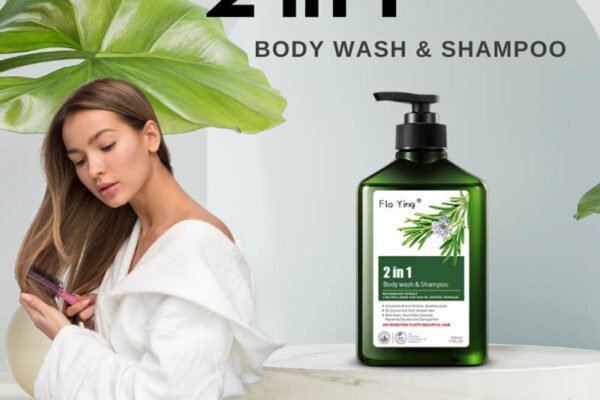
Before launching a private label body wash product, brands need to understand how a formula is structured and how different ingredient systems influence cleansing performance, skin feel, texture and stability.
A successful body wash formula is not created by simply increasing or reducing one ingredient. It requires balancing surfactants, moisturizing agents, thickeners, preservatives, fragrance systems and pH control to achieve the desired product positioning.
This guide explains the key formulation principles brands should understand before working with a body wash OEM manufacturer.
Before finalizing your formula, it’s also helpful to understand how formulation development fits into the complete personal care manufacturing process, from R&D and packaging to commercial production.
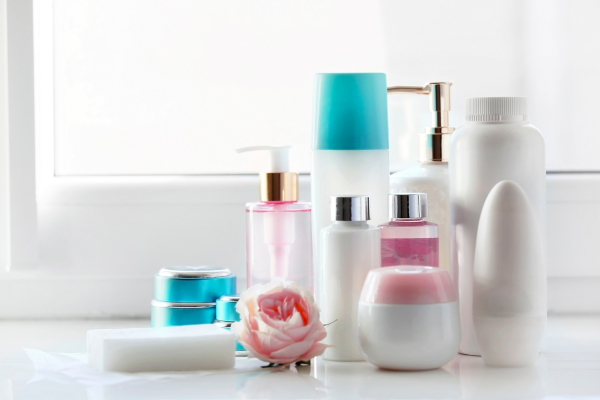
It mainly plays the role of skin cleaning and decontamination and sterilization, and its main components are anionic surfactants with better decontamination effect, high safety, mild nature and moderate price, such as: AES-Na, K12NH4, AESNH4, MAPK, soap, nonionic surfactant 6501, APG, amphoteric surfactant BS-12, CAB, imidazoline, etc..
The Basic Structure of a Body Wash Formula
Most body wash formulations are built around several functional ingredient groups. Each category has a specific role in determining product performance.
A typical body wash formula includes:
- Surfactant system — responsible for cleansing performance and foam generation.
- Humectants and moisturizers — help reduce dryness and improve skin comfort after cleansing.
- Emollients — provide a smoother skin feel and support premium positioning.
- Rheology modifiers — control viscosity, texture and product appearance.
- Preservatives and stabilizers — maintain product safety and shelf stability.
- Fragrance and sensory ingredients — define the final consumer experience.
The exact ratio between these components depends on the target market, skin positioning, packaging format and desired product performance.
OEM Manufacturing Insight
An experienced body wash manufacturer will adjust surfactant ratios according to target positioning, packaging compatibility, viscosity requirements and local regulatory standards rather than relying on fixed percentages.
If you’re launching your own brand rather than developing a formula from scratch, our Private Label Services can help you accelerate product development with proven formulations and customizable packaging options.
How Surfactants Affect Body Wash Performance
Surfactants are the foundation of most body wash formulas because they determine cleansing ability, foam quality and mildness.
A stronger cleansing system may provide more effective oil and dirt removal, while a milder surfactant blend is often preferred for sensitive skin or daily-use products.
Common surfactant strategies include:
- Anionic surfactants for cleansing power and foam generation.
- Amphoteric surfactants to improve mildness and support skin comfort.
- Nonionic surfactants for additional formulation flexibility.
Professional OEM manufacturers typically optimize surfactant combinations rather than relying on a fixed percentage formula. The goal is to achieve the right balance between cleansing performance, irritation control and manufacturing stability.
Balancing Moisturizers and Skin Feel Ingredients
Modern body wash products are expected to cleanse without leaving the skin feeling dry or tight.
Moisturizing systems commonly include humectants, emollients and conditioning ingredients.
Humectants such as glycerin help attract and retain moisture, while emollients improve softness and after-feel.
For premium body wash positioning, brands may also consider botanical extracts, plant oils or naturally derived conditioning ingredients to create differentiated sensory experiences.
The correct balance depends on the product concept, target consumers and market expectations.
Selecting Emollients for Better Skin Feel
Emollients in the formulation, mainly play a role in reducing the irritation of shower gel, regulating the skin feeling during and after bathing, improve the appearance of the product performance.
Attachment of fat-type shower gel can also be added through the emulsification of oil emollients, such as branched-chain esters, polyoxyethylene natural oils, lanolin and silicone oils, etc., directly after bathing in the skin to leave a layer of oil film, replenish the lost due to the bathing of the oil content, emollient effect is better. Combine bathing and moisturizing, suitable for frequent bathing, little dirt and delicate skin.
Viscosity, pH and Formula Stability Considerations
Texture is an important part of the consumer experience. Body wash products need the right viscosity for both performance and packaging compatibility.
Viscosity adjustment may involve:
- Surfactant system optimization
- Salt or polymer-based thickening systems
- Rheology modifiers
pH is another important consideration. Most personal care cleansing products are developed around skin-compatible pH ranges to support comfortable daily use.
A professional body wash manufacturer evaluates formula stability, texture consistency and packaging compatibility before commercial production.
Understanding Body Wash Formula Development for OEM Projects
When developing a private label body wash, brands usually define several key factors before formulation begins:
- Target skin positioning
- Cleansing strength
- Texture preference
- Fragrance direction
- Ingredient positioning
- Packaging format
An experienced OEM partner can adjust formulation systems according to market requirements instead of applying a one-size-fits-all approach.
For brands seeking faster market entry, private label development can combine proven base systems with customized fragrance, texture and packaging options.
Example Body Wash Formula Structure
| Formula Component | Main Function |
|---|---|
| Surfactant System | Cleansing and foam performance |
| Moisturizing System | Skin comfort and hydration feel |
| Emollients | Softness and premium sensory experience |
| Thickening System | Texture and viscosity control |
| Preservation System | Product safety and stability |
| Fragrance System | Consumer sensory positioning |
Need a Custom Body Wash Formula?
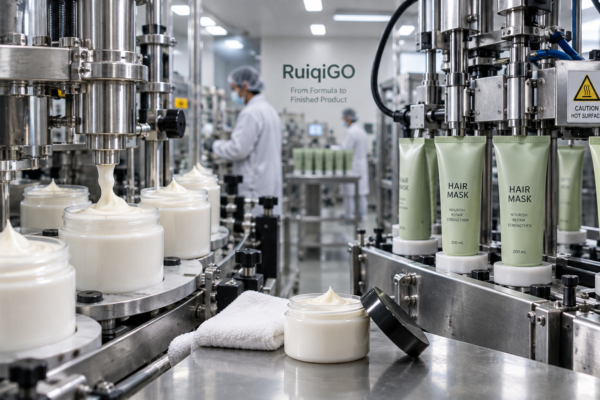
Whether you’re developing a moisturizing body wash, sulfate-free cleanser, antibacterial body wash, or premium private label product, RuiqiGO provides formulation development, packaging selection, manufacturing, and export support.
→ Talk to Our Body Wash Manufacturing Team
Frequently Asked Questions About Body Wash OEM
Q1 What is the typical MOQ for private label body wash?
A: MOQ depends on the bottle type, formulation and packaging requirements. Most private label body wash projects start from 5,000–10,000 units per SKU, while customized packaging may require higher minimum quantities.
Q2 Can I customize the body wash formulation?
A: Yes. Most OEM manufacturers can customize fragrance, color, viscosity, cleansing strength, moisturizing performance, active ingredients and packaging based on your target market and brand positioning.
Q3 How long does body wash product development take?
A: A standard body wash project typically requires 2–4 weeks for formulation development and sample approval, followed by 4–6 weeks for commercial production after artwork and packaging are confirmed.
Q4 What ingredients are commonly used in body wash formulations?
A: Most body wash formulations include surfactants, humectants, emollients, preservatives, fragrance, pH adjusters and functional additives. The exact ratio depends on the desired cleansing performance, skin feel and product positioning.
Q5 How is body wash viscosity adjusted?
A: Viscosity is typically adjusted by balancing surfactant systems together with salt, polymer thickeners or other rheology modifiers to achieve the desired texture while maintaining long-term stability.
Q6 How do I choose the right body wash OEM manufacturer?
A: Look for a manufacturer with formulation experience, stable production capacity, quality management systems, regulatory support and flexible packaging options. An experienced OEM partner should also help optimize formulations for manufacturing efficiency and long-term product consistency.
Q7 What are the main components of a body wash formula?
A: A typical body wash formula includes surfactants, moisturizers, emollients, preservatives, fragrance systems, pH adjusters and viscosity modifiers. The balance between these components determines cleansing performance, skin feel and product stability.
Q8 How do surfactant ratios affect body wash performance?
Surfactant ratios influence cleansing strength, foam quality and mildness. OEM manufacturers usually combine different surfactant types to create a balance between effective cleansing and comfortable skin feel.
Q9 Can a body wash manufacturer customize formulas for different markets?
Yes. Body wash formulas can be adjusted according to target market requirements, including sensitive skin positioning, moisturizing concepts, fragrance preferences, ingredient direction and packaging formats.
-600x400-c.jpg)