Launching a private label shampoo programme in the US requires coordinated manufacturing, compliance, packaging, and supply-chain planning. Brand teams must close the gap between a product concept and a commercially and legally retail-ready specification.
Creating a hair care line is about more than just picking an attractive bottle and finding a factory that matches your target budget. To make sure your launch goes smoothly, you need to map out your formulation steps, packaging lead times, regulatory registrations, and shipping timelines clearly.
Getting these steps in the right order helps keep the project on schedule and reduces the risk of labeling, documentation, production, or import delays.
This guide will walk you through that process, from finding your place in the market to welcoming your first shipment.
Before building your launch timeline, review our private label shampoo manufacturing capabilities to understand the available formula, packaging, sampling, and production routes.
How to Launch a Shampoo Brand in the US, Step by Step
Launching a shampoo brand requires a strict chronological timeline because missing a single testing or regulatory milestone can halt your shipment at the border. Following a structured development sequence prevents costly backtracking and ensures a compliant product release.
Pre-Sourcing Phase: Define Your Market Position
Your market positioning is simply deciding what makes your shampoo special and where it fits on retail shelves. Knowing this upfront helps you choose the right ingredients and find a manufacturing partner who shares your vision.
To find your position, look at four key areas:
- Identify Your Retail Channel: Decide where you want to sell. If you are aiming for Amazon FBA, you will want comfortable profit margins to cover platform storage and fulfillment fees. If you are targeting boutique salons, your focus will likely be on premium packaging design and a higher retail price point.
- Analyze Competitor Feedback: Read through reviews of top-selling shampoos in your niche. Look at what customers wish were better, whether they want a different scent profile, more lather, or gentler formulas for sensitive scalps. This shows you exactly where your brand can fill a need.
- Set Your Target Price and COGS: Look at what direct competitors are charging. Working backward from that ideal retail price helps you figure out a comfortable target Cost of Goods Sold (COGS) before you start discussions with factories.
- Define Your Primary Product Benefit: Define the primary cosmetic benefit you want the shampoo to deliver, such as cleansing, conditioning, moisture, shine, color-care support, or added volume. Claims that imply treatment of dandruff, hair loss, scalp disease, or another medical condition may change the US regulatory pathway and should be reviewed before formula development begins.
Decide on the primary benefit of your formula, like deep moisture, color protection, or voluminous hair. If you want to make a specific claim, like a sulfate-free formula, this tells you to look for a sulfate-free shampoo manufacturer with specialized experience in alternative ingredient systems.
A high-end salon shampoo has different development and packaging needs than a daily volumizing shampoo built for a high-volume online store. Figuring this out early makes budgeting and sourcing much simpler.
Formulation Phase: Stock Formula or Custom Shampoo Formulation
When it comes to creating the actual shampoo, your choice depends on your budget, timeline, and how unique the formula needs to be.
- Stock Formulas (Private Label Bases): These are pre-developed factory bases with an established manufacturing history. They can usually be adjusted through fragrance, color, selected extracts, or minor performance modifications, subject to compatibility and stability review. You can still make the product your own by customizing elements like the fragrance, color, or key botanical extracts.
- Custom Shampoo Formulation: This route is appropriate when the brand requires a specific surfactant system, active combination, sensory profile, performance target, or ingredient restriction that an existing base cannot support. Development normally includes the technical brief, prototype preparation, sample evaluation, revisions, compatibility review, and scale-up confirmation. Formula ownership and exclusivity should be agreed in writing rather than assumed. Brands requiring a differentiated surfactant or active system can review our approach to custom shampoo formulation from scratch before preparing the technical brief.
If you can sell your product as a brand experience, then stock works well. If the formula itself is the product, then go custom.
Production Phase: Book and Prep the Factory Floor
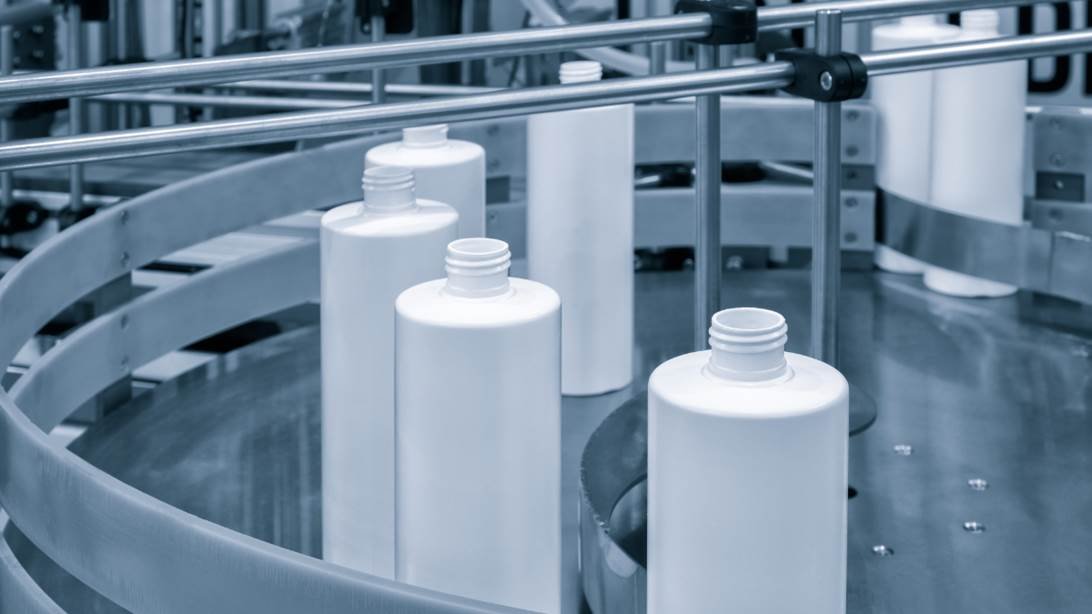
Once you know your formula direction, you move from planning to active manufacturing. This step is where you lock in your production slot and let the factory prepare its machinery for your liquid batch.
For a first-time shampoo run, this stage involves three specific parts:
- Securing Your Production Slot: Liquid manufacturing lines operate on strict schedules. You will place your initial production deposit to officially book your run on the factory’s automated mixing and filling lines.
- Scale-Up and Pre-Production Confirmation: Before full production, the manufacturer confirms the approved formula, raw-material specification, processing sequence, target viscosity, fragrance, color, packaging components, and filling parameters. Depending on the project, additional scale-up or pre-production checks may be required before the commercial batch is released.
- Confirming Expected Production Yield: Normal manufacturing and filling processes may result in limited material and packaging variation. The quotation and purchase order should clarify ordered quantity, acceptable production tolerance, treatment of packaging overages, and the basis used for the final shipped quantity.
Packaging: Match the Bottle to the Private Label Base
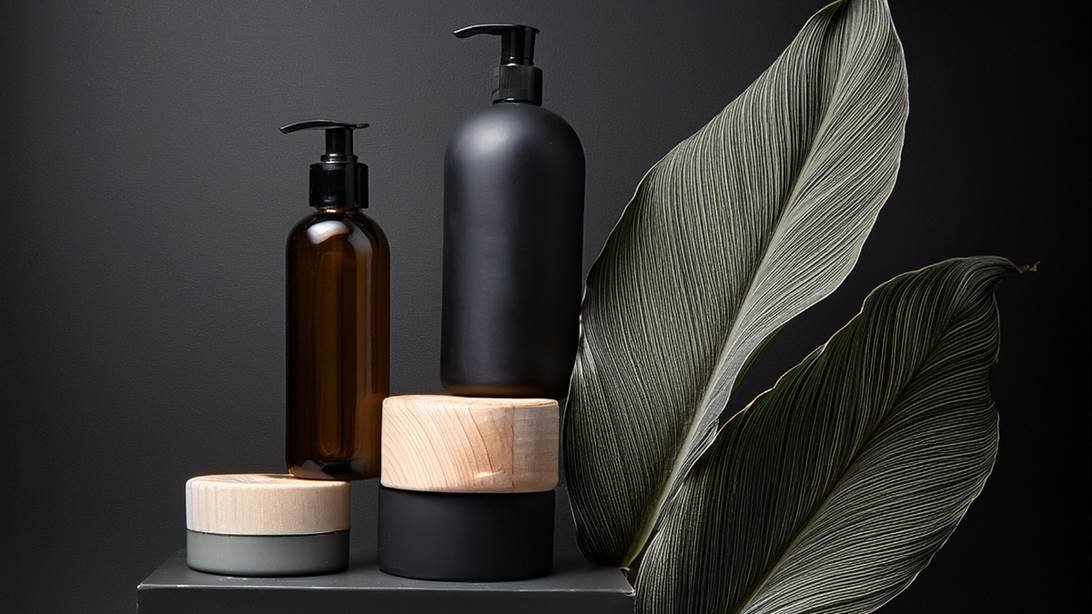
When you launch a private label shampoo, you aren’t just choosing a formula—you are choosing a packaging pairing that is already proven to work with that formula. Even with pre-tested bases, you need to make smart packaging choices based on your product type.
To keep your launch simple, focus on these three practical choices:
- Confirm Formula–Packaging Compatibility: PET, HDPE, and other packaging materials each have different appearance, barrier, rigidity, and processing characteristics. The final choice should be based on formula compatibility, viscosity, fragrance system, decoration method, transport conditions, and the intended retail positioning—not appearance alone.
- Select a Compatible Closure: The formula’s viscosity and intended use determine whether a flip-top cap, disc-top cap, pump, or another closure is appropriate. The manufacturer should test dispensing performance, sealing, leakage, and compatibility before mass production.
- Review Existing Packaging Options: Using bottles and closures already familiar to the manufacturer can reduce sourcing complexity, development time, and independent packaging MOQs. However, the components must still be confirmed against the final formula, label method, case packing, and brand positioning.
For a broader view of how formula, bottle, artwork, and filling decisions connect, review our OEM personal care manufacturing process.
Financial Planning: Find out the Real Landed Cost, Not Just Factory Price
The price quoted by the factory is just the first step in your budget. Because shampoo is a liquid and carries a fair amount of weight, ocean freight is commonly used for commercial shampoo orders because liquid products are relatively heavy, although the best shipping method depends on quantity, deadline, destination, and landed-cost calculations. To plan your business capital accurately, you will want to calculate your true landed cost, which is the total cost of getting a single unit all the way to your door.
A thorough budget should account for:
- Production MOQs: Automated filling lines require minimum production amounts per batch to run efficiently, which sets your baseline manufacturing cost.
- Ex-Works Factory Price: The cost to produce the shampoo and packaging at the factory before shipping is added.
- Shipping and Logistics: Ocean freight costs, port handling fees, customs broker assistance, and local trucking (drayage) to move your completed pallets to your warehouse or fulfillment center.
- Import and Destination Charges: Depending on the shipment and Incoterm, landed cost may include customs duties, entry fees, customs brokerage, bond charges, port or terminal handling, and local delivery. The importer should confirm the applicable classification and charges with its customs broker.
Requesting both the packed carton data and estimated shipment volume before confirming the order helps the brand model freight and landed cost more accurately.
Factoring in these comprehensive expenses alongside upfront packaging deposits ensures your budget reflects the actual capital needed for a successful market entry.
US Compliance: MoCRA, Labeling, and Product Classification
The Modernization of Cosmetics Regulation Act of 2022 introduced new US requirements for cosmetic facility registration, product listing, safety substantiation, adverse-event reporting, records, and other compliance responsibilities. The brand and manufacturer should confirm early which party is the responsible person and who will handle each submission and record.
You must manage three core federal requirements before your cargo departs:
- Facility Registration: A facility that manufactures or processes cosmetic products distributed in the United States may be required to register with FDA and renew the registration every two years. A foreign facility must also address the applicable US-agent requirement. Registration is not the same as FDA approval or certification.
- Cosmetic Product Listing: The responsible person must list each marketed cosmetic product with FDA, including required product and ingredient information, and submit applicable updates annually. The manufacturer and brand should agree who prepares the formula information and who makes the submission.
- Ingredient Labeling: US cosmetic labels must declare ingredients using names accepted under US labeling requirements and generally in descending order of predominance, subject to applicable exceptions. Terms such as “aqua” may appear in parentheses after the common US name—for example, “Water (Aqua)”—rather than replacing the English common name.
Verifying these baseline credentials prevents immediate regulatory enforcement actions when your goods arrive at a domestic port.
Beyond standard cosmetic rules, you must also address specific classification and brand protection exceptions:
- Anti-Dandruff Products: A shampoo marketed to control dandruff is regulated in the United States as an OTC drug, or as both a cosmetic and a drug, depending on its intended uses. The product must comply with the applicable OTC monograph conditions, permitted active ingredients and concentrations, Drug Facts labeling, drug establishment and product requirements, and applicable drug cGMP obligations. It should not be treated as an ordinary cosmetic shampoo with an added claim.Brands seeking a standard cosmetic manufacturing route should avoid anti-dandruff treatment claims unless an appropriately qualified OTC-drug manufacturing and compliance system has been confirmed.
- Trademark Planning: A US trademark registration is not a prerequisite for producing shampoo, but brands should conduct an appropriate clearance search and discuss filing strategy with a qualified trademark professional before investing heavily in packaging and inventory. The USPTO also permits intent-to-use applications for applicants with a bona fide plan to use the mark in commerce. International protection should be planned separately according to the countries where the brand will manufacture or sell.
Fulfilling these dual regulatory and brand protection standards early protects your capital and prevents catastrophic shipping delays at the border.
How to Choose a Shampoo Manufacturer
When you select a manufacturing partner, you are choosing the team that will support your business as it grows. Because brand owners are responsible for ensuring their products meet US standards, it helps to look for a partner who prioritizes transparency and quality control.
When evaluating potential manufacturing partners, look for these four core qualifications:
- FDA Registration: Under the Modernization of Cosmetics Regulation Act (MoCRA), facilities that manufacture or process cosmetics for the US market must be registered with the FDA. A supportive partner will gladly share their facility registration number so you can verify it for your records through the FDA Cosmetics Direct portal.
- ISO 22716 Certification: ISO 22716 or comparable cosmetic GMP documentation can help demonstrate that the manufacturer operates documented controls for personnel, premises, raw materials, production, storage, quality control, complaints, and recalls. Review the certificate scope, issuing body, facility address, and validity rather than relying on the logo alone.
- Structured Sample Process: Confirm the prototype scope, included revision rounds, sample evaluation criteria, feedback method, approval record, and what happens if the brief changes during development.
- Target Market Export Experience: Working with a factory that regularly exports to the US is incredibly helpful. Export experience is useful, but the brand or responsible person still retains its own compliance and import responsibilities.
How Much Does It Cost to Launch a Shampoo Brand?
To build a clear, comfortable financial plan, it helps to organize your initial investments into five basic buckets:
- Formula Development Costs: Choosing a trusted, pre-developed stock formula keeps your upfront research and development costs near zero. Opting for a completely custom formula usually involves an investment of $1,500 to $5,000 for chemist development and comprehensive stability testing.
- Packaging and Component Costs: This covers your physical bottles, custom labels, and caps or pumps. Sourcing these items together or through your primary manufacturer often helps lower the per-unit cost.
- Minimum Order Quantity Impact: Because liquid mixing and filling tanks are quite large, the initial run usually requires 5,000 to 10,000 units per product type (SKU). This represents the largest portion of your starting production budget.
- Quality Testing and Compliance: Budgeting a small amount for routine microbiological safety screening and your official FDA portal entries ensures your product is completely retail-ready.
- Shipping and Import Logistics: Because liquid cargo is heavy, your budget should factor in ocean freight shipping rates, standard customs fees, and local delivery from the port to your final storage space.
Accounting for these collective manufacturing and regulatory expenses prevents unexpected cash flow shortages before your inventory reaches retail shelves.
What Happens Between Sample Approval and First Shipment?
When you are waiting for your first order, the time between approving a sample and seeing the shipment arrive can feel like a bit of a waiting game. It is completely normal to worry about whether your inventory will make it to your warehouse on time.
To give you complete peace of mind while your order is underway, it is good to know exactly what the factory is doing behind the scenes once you give the final sign-off.
A typical, steady production timeline moves through these stages:
- Sample Approval and Stabilization Checks: This stage takes 7 to 14 days because your approved sample must be validated against a stability protocol to ensure the formula does not degrade under temperature or light exposure. Skipping this step risks product separation or discoloration inside a hot shipping container.
- Packaging Compatibility and Labeling Sign-Off: This step requires 10 to 14 days to confirm that the formula does not interact negatively with your chosen packaging materials. Your labeling artwork must also clear a complete compliance checklist before full print production begins.
- Raw Material Sourcing and Bulk Production Preparation: This phase spans 20 to 30 days while your manufacturer secures ingredients at a bulk batch scale. Sourcing windows vary based on ingredient availability, so this period requires careful scheduling.
- High-Speed Filling, Packing, and QC Microbiological Testing: Active manufacturing takes 14 to 21 days to complete. Laboratories must perform mandatory microbiological testing on the finished shampoo batches before authorizing their release.
- Ocean Freight, Customs Clearance, and US Port Drayage: Logistics require 30 to 40 days for standard transit from China to a US port. This timeframe also accounts for customs clearance processing and local drayage to your warehouse or third-party logistics provider.
When you add up these careful quality checks and shipping windows, a realistic timeline is generally 12 to 16 weeks from the day you approve your sample to the day it arrives at your warehouse.
Common Mistakes to Avoid as a New Shampoo Brand
Navigating international supply chains introduces hidden pitfalls that can drain your budget before your product ever goes live.
Here are some mistakes you don’t want to make:
- Leaving Compliance Until the End: Facility, product, label, claim, and responsible-person requirements should be reviewed before final artwork and shipment. Late corrections can delay product listing, packaging printing, import processing, or retail onboarding.
- Underestimating Freight Metrics: Liquid shampoo has a significant gross weight, which drives up ocean shipping fees. Calculating your logistics expenses after setting your retail price ruins your profit margins.
- Mismatching Component MOQs: Your liquid batch volume and your packaging supplier’s minimum order quantities must align perfectly. Discrepancies create expensive excess component inventory or lengthy production delays.
- Launching Multiple SKUs Initially: Managing a single well-supported hero product is far safer than dividing a limited marketing budget across four separate items. Every individual SKU multiplies your testing costs and manufacturing timelines.
Avoiding these tactical missteps keeps your development on schedule and protects your initial capital investment.
Frequently Asked Questions
Do I need a trademark before launching a shampoo brand in the US?
You do not need a registered trademark to launch, but filing early protects your brand. If another business files for the same mark while you are in active production, you lose priority. You should file with the USPTO as early as possible and register separately in China if your manufacturer is based there.
What is the MOQ for private label shampoo?
For most standard liquid manufacturing lines, the minimum order quantity ranges from 5,000 to 10,000 units per SKU. This minimum exists because large commercial mixing vats and high-speed filling machines need a certain volume of liquid to run smoothly and maintain consistent quality throughout the batch.
Can I sell an overseas private-label shampoo on Amazon FBA?
Yes, but your product must still meet all federal MoCRA compliance requirements. Amazon also enforces its own internal ingredient restriction policies that go beyond federal minimums in specific categories. You must confirm your liquid formula against both sets of standards before listing your inventory.
What is the average shampoo manufacturing timeline for a first order?
You should plan for 14 to 18 weeks from your first order from a signed purchase order to arrival at a domestic warehouse. This timeline accounts for raw material sourcing, production, quality control, ocean freight, and customs clearance. Subsequent reorders with the same manufacturer typically move much faster.
Should I launch with a single hero product or a full line?
You should start with a single product. A focused launch lets you validate your formula, packaging, and market positioning before committing large amounts of capital to a full line. You can then expand your catalog from a position of real market data instead of guessing.
What should I send to a private label shampoo manufacturer?
Send the target market, sales channel, product positioning, intended cosmetic benefits, ingredient preferences or exclusions, package size, expected quantity, budget range, and launch timeline. A clear brief allows the manufacturer to assess feasibility, MOQ, development scope, and preliminary cost.
How do I choose a shampoo manufacturer for the US market?
Evaluate the manufacturer’s cosmetic GMP system, formula and sample capability, packaging coordination, target-market experience, quality documentation, MOQ, production capacity, communication process, and ability to identify regulatory risks before production.
Launch Your Shampoo Brand With a Clear Manufacturing Plan
Building a sustainable hair care brand requires balancing your US marketing presence with a transparent and structured manufacturing backend. The brands that scale are the ones that treat manufacturing as a strict chronological process instead of a sourcing shortcut.
A complete manufacturing partner supports your brand scale through multiple operational phases:
- Formulation Guidance: Access compliance-backed custom formulas or explore pre-developed options to match your budget.
- Regulatory Alignment: Secure complete peace of mind with full FDA MoCRA compliance and strict adherence to international cosmetic quality standards.
- Logistics Management: Receive all necessary export documentation and shipping coordination required to seamlessly clear US borders.
Partnering with an experienced shampoo manufacturer like RuiqiGO ensures your production pipeline is fully managed from initial concept to domestic delivery.
Ready to Start Your Private Label Shampoo Project?
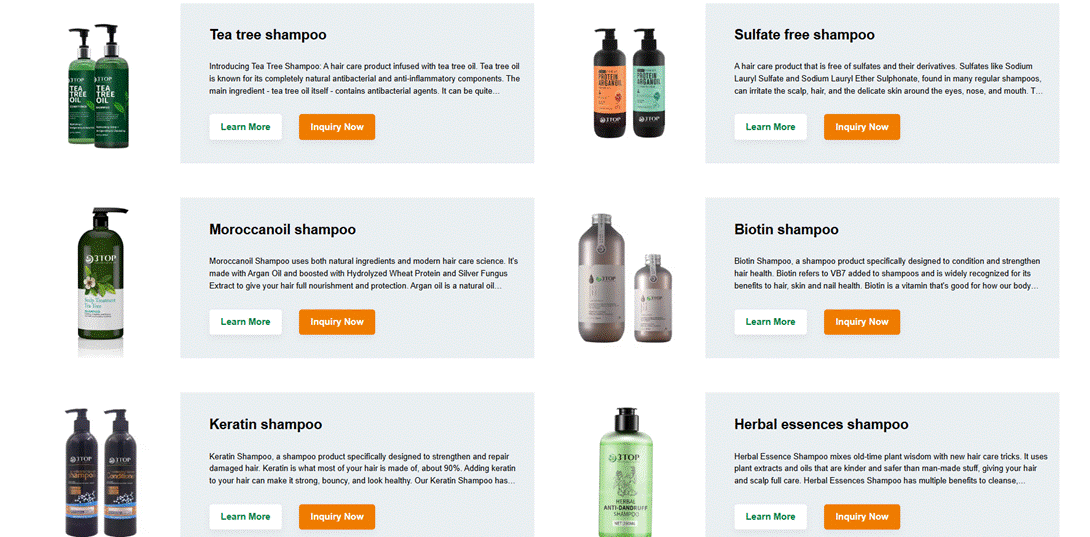
RuiqiGO supports shampoo projects from formula evaluation and prototype development through packaging sourcing, mass production, quality control, and export coordination.
To receive a relevant feasibility review, share your target market, sales channel, product concept, intended benefits, packaging preference, expected order quantity, and launch timeline.
Brands seeking a faster route to market can also explore our private label shampoo manufacturing options based on established formula and packaging systems.