Introduction
Dry skin is one of the most common skincare concerns worldwide, especially in colder climates and among consumers with sensitive skin. Choosing the best body lotion for dry skin is essential for maintaining hydration, preventing irritation, and improving overall skin health.
For brands working with a professional body lotion manufacturer, developing the right formulation for dry skin is not only about adding moisturizing ingredients, but also about achieving the right balance between hydration, absorption, and skin compatibility.
This guide explains what makes a body lotion effective for dry skin and how to select the best formulation for both consumers and brands.
If you’re evaluating OEM suppliers, our Body Lotion Manufacturing Guide explains the complete private label development process from formulation to production.
What Causes Dry Skin?
Understanding dry skin is the first step in developing effective products.
Common causes include:
- Loss of natural skin oils
- Environmental factors (cold weather, low humidity)
- Frequent washing or harsh cleansers
- Aging and reduced skin barrier function
Products designed for dry skin must address both moisture loss and skin barrier protection.
What Makes the Best Body Lotion for Dry Skin?
A high-quality body lotion for dry skin should deliver:
- Long-lasting hydration
- Skin barrier protection
- Fast absorption without greasiness
- Gentle, non-irritating formulation
Modern consumers expect products that are both effective and comfortable for daily use.
How to Choose the Best Body Lotion Formula
Choosing the right body lotion formula depends on your target market, consumer preferences, climate, and product positioning. Lightweight lotions are suitable for daily use and warmer regions, while richer cream-based formulas are often preferred for severe dryness or colder climates.
Brands should also evaluate ingredient compatibility, packaging format, pricing strategy, and regulatory requirements before finalizing a formulation. Working with an experienced body lotion manufacturer helps ensure the product balances performance, stability, and commercial feasibility.
Key Ingredients for Dry Skin Body Lotion
Ingredient selection is critical when developing products for dry skin.
1. Humectants (Hydration Boosters)
These ingredients attract water into the skin:
- Glycerin
- Hyaluronic acid
- Urea
They provide immediate hydration and improve skin moisture levels.
2. Emollients (Skin Softening)
Emollients smooth and soften the skin:
- Shea butter
- Cocoa butter
- Natural oils (almond, jojoba)
They help restore skin texture and prevent dryness.
3. Occlusives (Moisture Locking)
These create a protective barrier:
- Petrolatum
- Dimethicone
- Natural waxes
They prevent water loss and improve long-term hydration.
Recommended Ingredients for Private Label Body Lotions
Different ingredients provide different skincare benefits. Selecting the right combination improves product performance and brand positioning.
| Ingredient | Primary Benefit |
|---|---|
| Glycerin | Long-lasting hydration |
| Hyaluronic Acid | Moisture retention |
| Shea Butter | Skin nourishment |
| Ceramides | Barrier repair |
| Squalane | Lightweight hydration |
| Panthenol | Skin soothing |
| Aloe Vera | Calming effect |
| Vitamin E | Antioxidant support |
When developing private label body lotion products, ingredient selection should balance efficacy, stability, consumer expectations, and production cost.
Explore body lotion manufacturing solutions →
Types of Body Lotion for Dry Skin
Different formulations are designed for different use cases.
Lightweight Hydrating Lotion
- Fast absorption
- Suitable for daily use
- Ideal for warm climates
Rich Cream-Based Lotion
- High oil content
- Deep hydration
- Suitable for very dry skin
Repairing Body Lotion
- Contains active ingredients
- Supports skin barrier repair
- Often positioned as premium skincare
Natural Body Lotion
- Plant-based ingredients
- Clean beauty positioning
- Suitable for eco-conscious consumers
Fragrance-Free Body Lotion
Fragrance-free body lotions are increasingly popular among consumers with sensitive or reactive skin. These formulations typically minimize potential irritants while maintaining effective hydration and skin barrier support.
Key features:
- No added fragrance
- Suitable for sensitive skin
- Dermatology-focused positioning
- Growing demand in clean beauty markets
How to Choose the Best Body Lotion for Dry Skin
For brands and product developers, selection depends on several factors.
1. Target Market
- Mass market → lighter, cost-effective formulas
- Premium → richer, ingredient-focused products
2. Skin Type Focus
- Mild dryness → lightweight lotions
- Severe dryness → richer creams
3. Product Positioning
- Functional skincare → actives included
- Clean beauty → natural ingredients
4. Packaging Strategy
Packaging affects both usability and perception:
- Pump bottles → convenient daily use
- Tubes → portable
- Sustainable packaging → premium positioning
View full body lotion manufacturing capabilities →
Private Label Body Lotion Development Process
Developing a successful body lotion requires more than selecting moisturizing ingredients. A structured development process helps reduce risk while ensuring consistent product quality.
Step 1. Define Product Positioning
Identify your target consumers, market segment, fragrance direction, and pricing strategy.
Step 2. Choose the Formula
Select either a ready-made formulation for faster launch or a customized formula for stronger brand differentiation.
Step 3. Evaluate Samples
Assess hydration, absorption, texture, fragrance, and packaging compatibility before approval.
Step 4. Packaging Development
Confirm bottle style, artwork, labeling, and retail packaging.
Step 5. Production and Quality Control
Complete stability testing, microbiological testing, and routine production inspections before mass manufacturing.
How Often Should You Apply Body Lotion for Dry Skin?
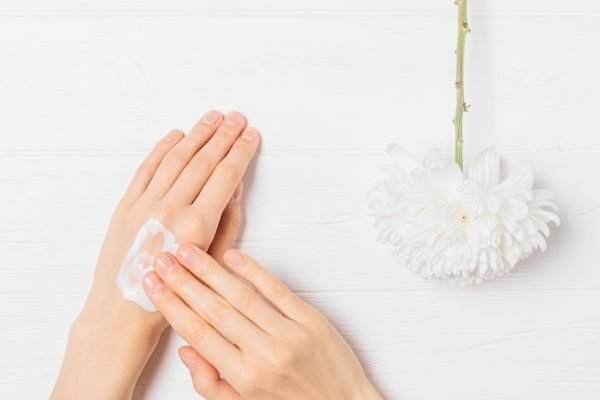
For most consumers with dry skin, body lotion should be applied at least once daily, ideally immediately after showering while the skin is still slightly damp. People living in cold or dry climates may benefit from applying body lotion twice daily to help maintain hydration and strengthen the skin barrier.
When selecting products for private label development, brands should consider the intended frequency of use, seasonal conditions, and target consumer preferences, as these factors often influence formulation viscosity and ingredient selection.
Body Lotion vs Body Cream for Dry Skin
| Feature | Body Lotion | Body Cream |
|---|---|---|
| Texture | Lightweight | Thick |
| Absorption | Fast | Slow |
| Hydration | Moderate | Deep |
| Best Use | Daily care | Severe dryness |
Both products serve different needs and can be part of a complete skincare line.
Common Mistakes When Choosing Body Lotion
Brands should avoid:
- Using too light formulations for dry skin
- Ignoring ingredient compatibility
- Overloading products with actives
- Poor packaging decisions
Working with an experienced body lotion manufacturer helps prevent these issues and ensures product stability.
Custom vs Standard Formulations
Brands can choose between:
Standard Formulations
- Faster development
- Lower cost
- Proven performance
Custom Formulations
- Unique positioning
- Better differentiation
- Higher flexibility
Looking for broader skincare manufacturing capabilities? Explore our Private Label Cosmetic Manufacturing Solutions to understand available formulation and packaging options.
How to Choose a Body Lotion Manufacturer
Selecting the right body lotion manufacturer is essential for product quality, long-term scalability, and brand success.
An experienced manufacturing partner should provide:
- Formula development support
- Stable production quality
- Flexible packaging options
- Regulatory documentation
- Export experience
- Reliable communication
Rather than focusing only on manufacturing cost, brands should evaluate technical capability, product consistency, and long-term partnership value.
Start your private label body lotion project →
Conclusion
The best body lotion for dry skin combines effective hydration, skin barrier protection, and a pleasant user experience. By selecting the right ingredients and formulation type, brands can create products that meet consumer expectations and stand out in competitive markets.
Partnering with a reliable body lotion manufacturer ensures product quality, compliance, and efficient production.
Frequently Asked Questions
What ingredients are best for dry skin body lotion?
Ingredients such as glycerin, hyaluronic acid, shea butter, ceramides, and squalane are commonly used to improve hydration and support the skin barrier.
What is the difference between body lotion and body cream?
Body lotion has a lighter texture and absorbs quickly, while body cream contains more oils and provides deeper hydration for severely dry skin.
Can I develop a custom body lotion formula?
Yes. Many private label manufacturers offer customized formulations based on target market, ingredients, fragrance, and packaging requirements.
Ready to Launch Your Private Label Body Lotion?
Whether you’re developing a lightweight daily lotion or a premium moisturizing cream, selecting the right formulation is only the beginning.
Explore our complete Body Lotion Manufacturing Solutions →