Have you ever counted how many times your hands undergo washing, sanitizing, and friction in a single day? From your morning coffee to your last message at night, your hands work like tireless servants, enduring repeated assaults from chemical cleaners, dry air conditioning, and extreme temperatures. That tightness in your knuckles, roughness in your palms, even fine cracks—these are your skin’s distress signals. Standing before the dazzling array of hand cream options at the drugstore, what seems like a simple choice suddenly feels complicated. Which tube will truly understand what your hands are asking for?
Decoding the Ingredients: The Heart of Your Hand Cream
The efficacy of any hand cream is determined by its formulation. Learning to decode the ingredient list is the first and most crucial step in selecting a product that will deliver real results.
The Hydration Heroes
At the core of any effective hand cream are humectants. Glycerin is one of the most common and effective hydrating agents found in hand and body skincare products. It works by attracting moisture from the air into the skin’s outer layer, helping to smooth and soften the skin by improving hydration. When scanning a label, look for glycerin listed among the top ingredients, as this often indicates a strong moisturizing base.
The Moisture Sealants
Hydration is only half the battle; you also need to lock that moisture in. This is where occlusives come into play. Ingredients like petrolatum (petrolatum), mineral oil, and certain silicones form a protective, hydrophobic barrier on the skin’s surface. This barrier significantly reduces transepidermal water loss (TEWL), keeping your hands hydrated for longer. While petrolatum is particularly effective, some may find it a bit heavy; however, modern formulations often blend these ingredients to be effective without a greasy feel.
The Nourishing Powerhouses
For extra nourishment and repair, look for enriching ingredients. Shea butter is renowned for its ability to hydrate, nourish, and promote skin suppleness. It is often combined with other beneficial elements like Vitamin E, which helps to protect, soothe, and soften the skin. For severely dry or cracked skin, ingredients like ceramides can be beneficial as they help to restore the skin’s natural barrier, boosting its ability to retain moisture from within. (You can try shea butter hand cream.)
Finding Your Perfect Match Hand Cream: Texture and Feel
The most potent formula is useless if you dislike how it feels on your hands. The texture of a hand cream directly influences your user experience and how consistently you’ll use it.
Hand creams generally come in three main textures: lotions, creams, and balms.
- Lotion-like textures are typically more fluid and absorb quickly, leaving little to no residue, which makes them ideal for daytime use and for those with oily skin or who dislike a heavy feel.
- Cream textures strike a middle ground; they are richer than lotions and provide substantial moisturization without being too greasy, suitable for most skin types and daily use. Generally, hand creams for dry hands have a creamy texture.
- For extremely dry, rough, or cracked skin, especially in cold weather, a richer balm or ointment texture is often most effective. These thicker formulations contain higher concentrations of oils and butters, creating a more substantial protective layer on the skin.
A common complaint about hand creams is a sticky or greasy after-feel. The perfect hand cream for you should absorb relatively quickly, allowing you to go about your daily tasks without leaving a slick residue on everything you touch. Many quality creams are specifically formulated to be “quick-absorbing” and “non-sticky,” providing deep moisture without the tacky feeling.
Special Considerations for Sensitive Skin
If you have sensitive skin, your selection process requires extra attention. Fragrances, whether natural or synthetic, are a common cause of skin irritation and allergic reactions. If you know your skin is reactive, it is wise to opt for fragrance-free products.
Be aware of specific potential allergens. The Hong Kong Consumer Council suggests that individuals prone to allergies avoid hand creams containing ingredients like benzyl alcohol, linalool, limonene, and citronellol, among others. When in doubt, patch testing a new product on a small area of skin before full application is always a safe practice.
Beyond the Bottle: Practical Hand Cream Application Tips
Finding your ideal hand cream is only the first step; how and when you use it is equally important for achieving the best results.
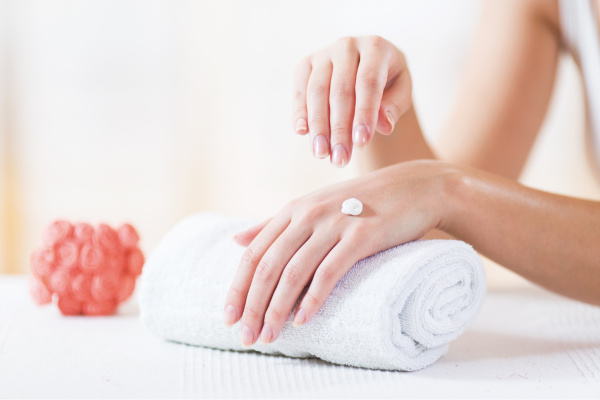
- Timing is Everything: The best time to apply hand cream is immediately after washing and drying your hands. This helps to trap the residual moisture on your skin, amplifying the hydrating effects of the product.
- Don’t Forget the Details: When applying, don’t just gloss over the backs of your hands. Take a moment to massage the cream into your fingertips, cuticles, and the spaces between your fingers, as these are areas particularly prone to dryness.
- Listen to Your Skin: Your needs may change with the seasons, your environment, and your daily activities. You might prefer a lighter lotion for the office and a richer cream before bed. The key is to reapply throughout the day as often as you feel the need. Keeping a small tube in your bag ensures you have your perfect hand cream on hand whenever required.
Conclusion
Choosing the best hand cream is, at its core, about finding harmony between rational understanding and sensory experience. When we comprehend how glycerin captures water molecules, understand how ceramides repair the skin’s barrier, and recognize how texture influences frequency of use, this daily choice transforms into an act of intelligent self-care. The truly perfect hand cream isn’t defined by its price tag or elegant packaging, but by whether it becomes a skin companion you willingly use consistently. With every press of the pump, it should achieve a perfect resonance between science and personal perception.