A body lotion portfolio becomes harder to manufacture when every concept uses a different texture, fragrance and package without a clear commercial purpose. Start with the use occasion and the product experience the brand wants to deliver. This article explains how to turn texture and format choices into a focused development brief.
Define the experience before naming ingredients
Specify how the product should spread, how long it should remain workable and what after-feel is acceptable. Assess references under comparable conditions and describe the differences that matter to the brand. Terms such as lightweight or rich are useful starting points, but they should be translated into a sample comparison sheet. An attractive ingredient story does not by itself define the finished texture.
Separate lotion, cream and gel concepts
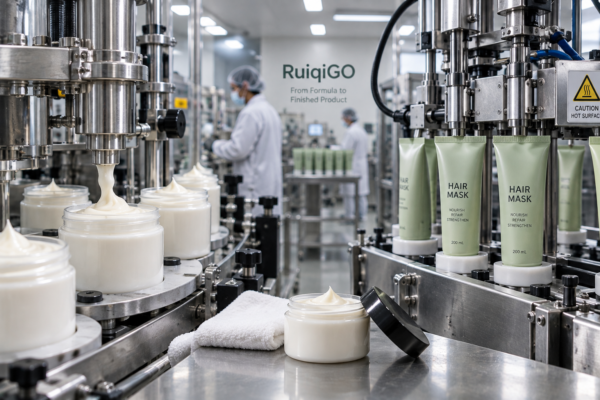
Treat each format as a development choice with its own processing, stability and packaging requirements. A pumpable body lotion and a dense jar cream may need different handling and filling arrangements. Do not assume that a formula can move from one format to another by changing only the label. Confirm whether the intended product remains within the agreed cosmetic scope before proceeding.
Match the texture to the dispensing system
Review bottle flexibility, pump orifice, dip tube, closure fit, tube opening and the product remaining in the package. A sample that feels appropriate in an open laboratory cup may behave differently through a pump. Include the intended dispensing method in sample approval, and identify the actual components required for compatibility review.
Build meaningful SKU boundaries
Use separate SKUs where the consumer experience or commercial channel requires them. Decide whether fragrance, texture, fill size or packaging is the primary difference. Too many simultaneous variables make sample feedback difficult to interpret and can add component minimums. Confirm the minimum order and approval requirements for each proposed combination rather than treating a mixed portfolio as one SKU.
Require evidence for innovation claims
Encapsulation, fermentation-derived ingredients and other ingredient technologies should be assessed against supplier information, finished-formula performance and the intended claim. Their presence does not automatically establish controlled release, improved penetration or suitability for every skin type. RuiqiGO does not promise smart-sensing or individually diagnostic lotion technology from a marketing concept alone.
Approve the portfolio in stages
First confirm the brief and reference texture, then review formula samples and the selected package. Agree stability, compatibility and claims-support requirements before production approval. Standard 250–500 ml body lotion MOQ is 3,000 units per SKU; special formulas and components may differ. Established brands, importers and distributors can share an organised SKU matrix for manufacturing review.
For commercial project review, visit body lotion manufacturing or share your approved product brief.