Introduction
For skincare brands launching a new cleansing product, choosing the right facial cleanser manufacturer is critical. From ingredient selection and formula development to production, filling, and quality control, every stage affects product performance and market success.
An experienced OEM facial cleanser manufacturer helps brands create products that match their target customers, positioning, and regulatory requirements.
So, how can a professional facial cleanser manufacturer (cleansing product manufacturer) produce effective and mild cleansing products? From the angles of formula design, production technology, and quality control, we will discuss it in this paper.
1. Facial Cleanser Formula Development: Balancing Cleansing and Skin Compatibility
1.1 Selection of ingredients: balance between cleaning power and gentleness
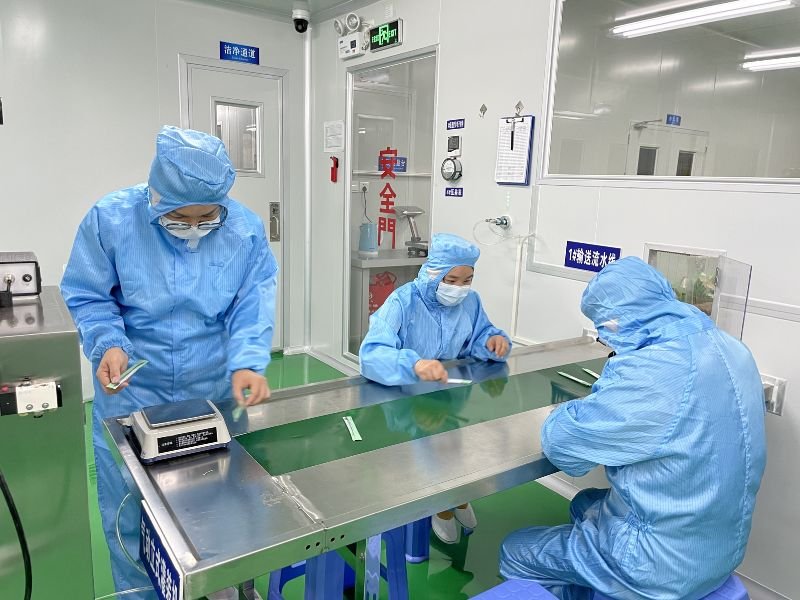
The core of cleansing products lies in its formula design. A facial cleanser manufacturer needs to select the appropriate ingredients according to the target skin and product efficacy. For example, foaming cleanser usually uses amino acid surfactant, which can not only provide rich foam, but also maintain gentleness, and is suitable for sensitive muscles. The sulfur cleanser is mainly composed of sulfur, which has antibacterial and oil control effects and is suitable for oily and acne-prone muscles.
1.2 Addition of active ingredients
In order to improve the efficacy of cleansing products, manufacturers will add active ingredients to the formula. For example, natural plant extracts are added to enhance antioxidant capacity, or moisturizing factors such as hyaluronic acid are added to alleviate the problem of dry skin after cleaning. The selection and proportion of these components need to go through many experiments and tests to ensure their stability and effectiveness.
2. Facial Cleanser Manufacturing Process: Mixing, Filling and Packaging
2.1 Mixing and Emulsification Technology
2.2 Filling and packaging
The production process of cleansing products involves complex mixing and emulsification technology. The facial cleanser manufacturer needs to ensure that all components are evenly distributed to avoid delamination or precipitation. For example, in the production of foaming cleanser, the mixing ratio of surfactant and water needs to be accurately controlled to ensure the fineness and cleaning power of foam.
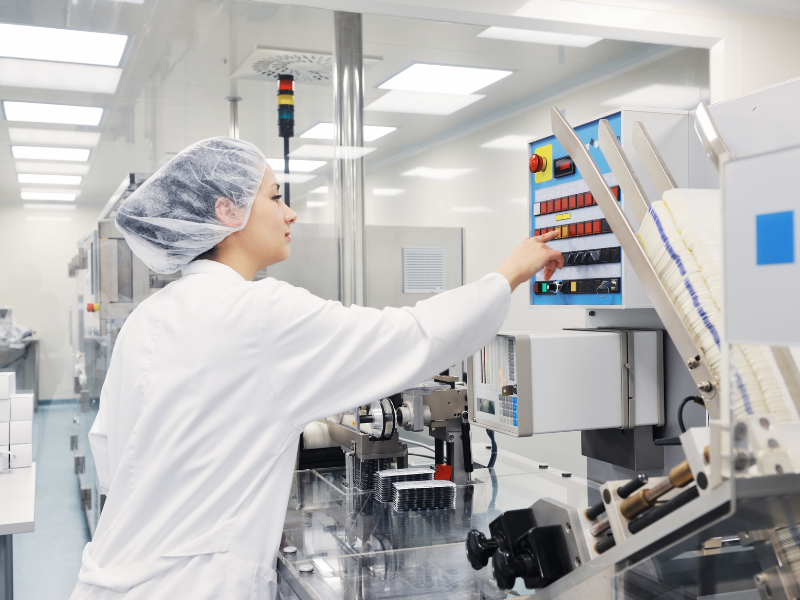
After production, cleansing products need to be filled and packaged. Manufacturers usually use automation equipment to ensure the hygiene and consistency of products. In addition, the packaging design also needs to consider the user experience, for example, the design of the pump head is easy to take, and the material of the bottle body needs to have good sealing to prevent the product from deteriorating.
3. Quality Control in Facial Cleanser Manufacturing
3.1 Testing of raw materials
The quality of cleansing products begins with the detection of raw materials. A facial cleanser manufacturer will carry out chemical composition analysis, microbial detection and stability test on each batch of raw materials to ensure that they meet the production standards. For example, the sulfur component in sulfur cleanser needs to be tested for its purity and activity to avoid skin irritation.
3.2 Finished product testing
After production, cleansing products need to undergo a number of tests, including pH value test, cleaning power test and skin irritation test. For example, the pH of foaming cleanser should be close to the natural pH of skin (about 5.5) to avoid damaging the skin barrier. In addition, manufacturers will conduct consumer tests and collect user feedback to further optimize products.
4. Facial Cleanser Trends: Natural Ingredients and Multifunctional Formulas
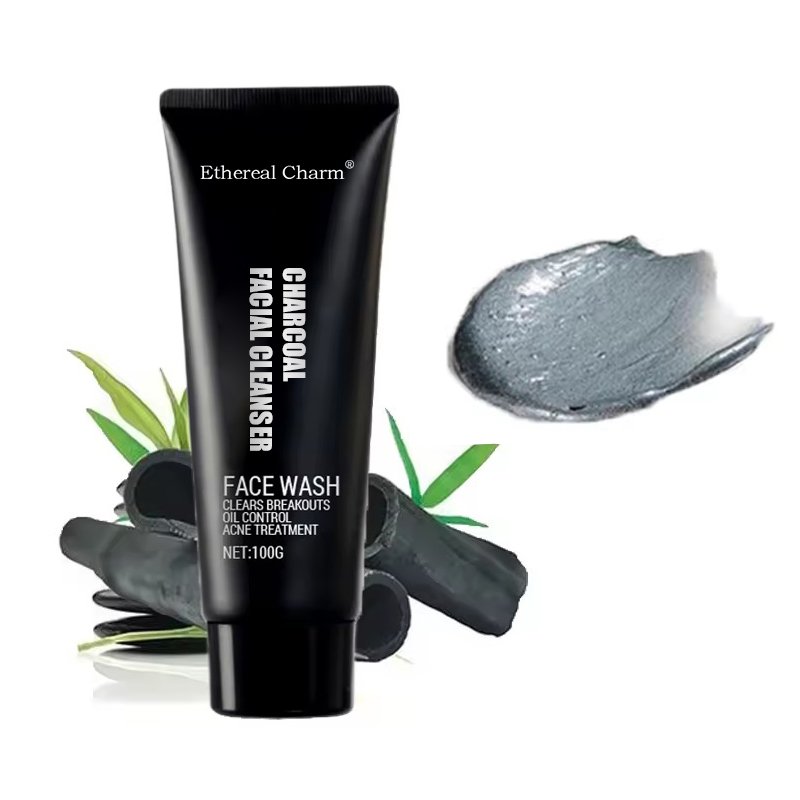
With the increasing demand of consumers for facial care, the innovation of cleansing products is also accelerating. For example, more and more facial cleanser manufacturers began to introduce multi-functional cleansing products, such as two-in-one products with cleaning and makeup removal functions, or cleansing milk with probiotic ingredients to balance skin microecology. In addition, environmental protection packaging and sustainable ingredients have also become the focus of the industry.
5. Private Label Facial Cleanser Development for Skincare Brands
Many brands work with private label facial cleanser manufacturers to launch products faster without building their own production facilities.
Manufacturers can support:
– Formula selection
– Ingredient customization
– Packaging development
– Production and quality control
– Export documentation
Conclusion
In the first step, quality cleaning directly affects the experience of skin care by users. Scientific formula design, accurate production technology, and quality control can make the facial cleanser manufacturer able to produce gentle and efficient cleanser products. Whether it is the graceful small bubble of the foaming cleanser or the powerful sulfur cleanser cleanses deeply, each product reflects the professional dedication and ingenuity of the manufacturer.
In the future, with the progress of technology and the change of consumer demand, cleansing products will continue to develop in a more efficient and environmentally friendly direction. Choosing a high-quality cleansing product is not only the care of the skin, but also the pursuit of quality of life.
Ready to Develop Your Facial Cleanser Product?
From formula development and ingredient selection to production and packaging, our team supports brands looking for reliable facial cleanser manufacturing solutions.
FAQs
What does a facial cleanser manufacturer do?
A: A facial cleanser manufacturer develops formulas, sources ingredients, produces products, performs quality control, and supports packaging and delivery for skincare brands.
What types of facial cleansers can manufacturers produce?
A: Manufacturers can produce different formats including foaming cleansers, gel cleansers, cream cleansers, oil cleansers, and customized skincare cleansing products.
Can brands customize facial cleanser formulas?
A: Yes. OEM facial cleanser manufacturers can customize ingredients, texture, fragrance, active components, and packaging according to brand requirements.
How long does facial cleanser development take?
A: Development time depends on formula complexity, testing requirements, packaging selection, and production schedule.