Mouthwash quality is determined long before the finished bottle reaches a retailer or consumer. Raw-material verification, formula control, production hygiene, filling accuracy, packaging integrity, finished-product testing, and batch documentation all influence whether a product can be released with confidence.
For importers, distributors, and private label brands, evaluating a mouthwash manufacturer therefore requires more than reviewing certificates or unit prices. Buyers should understand how the manufacturer controls each stage of production, which tests are included in the agreed scope, and what technical documentation can be provided for the target market.
This guide explains the core quality-control systems buyers should examine when selecting an OEM mouthwash manufacturing partner.
I. Core Quality Control Systems in Mouthwash Manufacturing
Quality control in mouthwash manufacturing is not a single inspection performed after filling. It is a documented process that begins with approved raw materials and continues through formulation, mixing, filling, packaging, finished-product testing, and batch release.
The exact tests and acceptance criteria depend on the formula, product classification, target market, packaging format, and agreed manufacturing specification. Buyers should therefore confirm the quality-control scope before sampling and quotation.
1. Raw Material Approval and Incoming Inspection
A consistent finished product begins with controlled raw materials. Manufacturers should source ingredients from approved suppliers and verify that incoming materials match the agreed specifications before they are released for production.
Depending on the ingredient and project requirements, incoming checks may include:
• Supplier and batch identification
• Certificate of Analysis review
• Appearance, odor, or other identity checks
• Specification verification
• Packaging condition and storage requirements
• Expiry or retest-date review
Materials that do not meet the approved criteria should be placed on hold and prevented from entering production until the issue is resolved.
For private label projects, buyers should also confirm whether any special ingredient documentation, allergen information, origin declarations, or market-specific supporting records are required before the formula is finalized.
These controls form part of the wider oral care manufacturing process used to move a formula from development into repeatable commercial production.
2. Formula Specification and Batch Control
Before production begins, the approved formula should be supported by clear manufacturing specifications and batch instructions.
These documents typically define:
• Approved ingredient list and quantities
• Ingredient addition sequence
• Mixing conditions
• Target pH and other applicable specifications
• In-process inspection points
• Approved packaging configuration
During manufacturing, raw-material quantities and batch information should be recorded to support traceability. Any adjustment or deviation should be documented and reviewed according to the manufacturer’s quality procedures.
This helps reduce batch-to-batch variation and ensures that commercial production follows the approved product specification rather than relying on informal operator experience.
3. Production Hygiene and In-Process Inspection
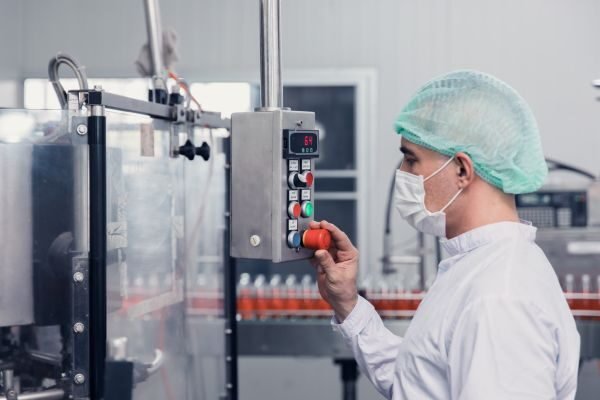
Production hygiene is especially important for liquid oral care products. Equipment, tanks, transfer systems, filling components, and production areas should be cleaned and managed according to documented procedures.
During mixing, the quality team may review relevant in-process characteristics such as:
• Appearance
• Odor and flavor profile
• pH
• Clarity
• Batch uniformity
• Other formula-specific parameters
The actual inspection items depend on the approved specification. Manufacturers should avoid claiming that every formula receives the same universal test package.
If an in-process result falls outside the approved range, the batch should be placed on hold while the cause and appropriate next step are evaluated.
4. Filling Accuracy and Packaging Integrity
Packaging quality is not only a design issue. The bottle, closure, seal, label, carton, and shipping case must work together as a complete product system.
Quality-control checks may include:
• Fill-volume or net-content verification
• Closure application and torque control
• Induction-seal or liner inspection
• Leakage checks
• Label position and legibility
• Batch-code verification
• Carton and case-pack inspection
Packaging requirements should be based on the target market, formula characteristics, distribution channel, and approved component specifications.
Buyers should not assume that a reference bottle or closure is suitable simply because it looks similar to an existing market product. Compatibility with the filling line, liquid formula, sealing method, transportation conditions, and component minimums must also be assessed.
5. Finished Product Testing and Batch Release
After filling and packaging, the finished batch should be reviewed against the agreed release specification before shipment.
Depending on the project, finished-product checks may cover:
• Appearance and sensory profile
• pH or other formula-specific parameters
• Microbiological testing
• Net content
• Packaging integrity
• Label and batch-code verification
• Finished-product documentation
The exact release tests, testing frequency, laboratory method, and acceptance limits should be agreed according to the product and market requirements.
A batch should not be released solely because production has finished. It should be released only after the required inspection results and documentation have been reviewed by the responsible quality personnel.
6. Traceability, Retained Samples, and Documentation
Reliable quality control also depends on traceability.
Manufacturers should be able to connect a finished batch with relevant production information, including raw-material batches, manufacturing records, packaging components, inspection results, and shipment details.
Depending on the agreed scope, documentation may include:
• Product specification
• Batch manufacturing records
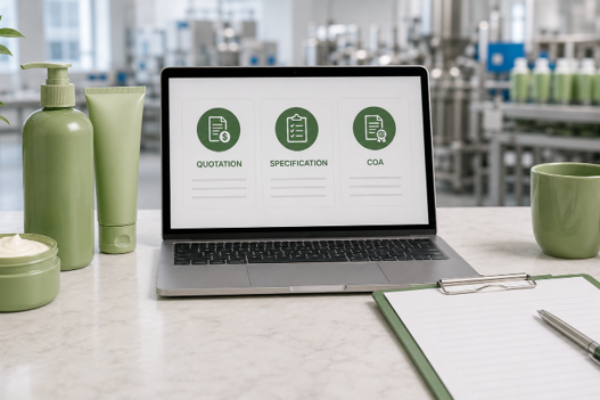
• Certificates of Analysis
• Safety or ingredient documentation
• Quality inspection records
• Available facility or system certificates
• Export-related documents
Retained samples may also be stored according to the manufacturer’s procedures for future reference or investigation.
Buyers should confirm the exact document list before placing the order. Not every certificate or regulatory file is automatically included with every OEM project.
II. How Quality Control Supports Private Label Brand Reliability
Quality control affects more than factory compliance. It directly influences product consistency, customer complaints, retailer acceptance, repeat orders, and the long-term stability of a private label supply program.
For brand owners, a documented manufacturing process provides several practical benefits:
• More consistent product appearance and sensory performance
• Better traceability when questions arise
• Clearer responsibility between brand and manufacturer
• Reduced risk of packaging or labeling mistakes
• More reliable repeat-order execution
• Better preparation for distributor or retailer review
However, quality responsibility is shared. The manufacturer controls production within the agreed specification, while the brand remains responsible for confirming target-market classification, final claims, artwork, and regulatory pathway with its own qualified partners where required.
1. Clear Product Specifications Reduce Misunderstandings
Many OEM disputes begin because the product requirements were not defined clearly enough before production.
The brand and manufacturer should confirm key specifications such as:
• Formula version
• Flavor and sensory target
• Bottle size and fill volume
• Packaging materials
• Artwork version
• Label text
• Case-pack configuration
• Required tests and documents
Once approved, these specifications become the reference point for sampling, production, inspection, and shipment.
2. Quality Systems Support Repeat Orders
A successful first order is valuable only when the product can be reproduced consistently.
Batch records, approved suppliers, controlled formulas, packaging specifications, and documented inspection procedures help manufacturers maintain continuity across repeat production.
For growing brands, this is more important than relying on a single successful prototype. Commercial manufacturing must remain stable as order volume, packaging requirements, and market coverage expand.
3. Quality Claims Must Match Available Evidence
Brands should avoid treating certifications, laboratory tests, or ingredient documents as interchangeable marketing claims.
A certificate may cover a facility, quality system, raw material, or specific product scope. It does not automatically prove every claim printed on the finished packaging.
Before launch, buyers should confirm:
• What the certificate actually covers
• Whether the formula or finished product requires separate testing
• Which party prepares the regulatory file
• Which claims are permitted in the target market
• Which documents will be available after production
This prevents unsupported claims and reduces the risk of artwork changes late in the project.
Conclusion
Selecting a mouthwash manufacturer should involve more than comparing prices, samples, and certificates.
Buyers should review how the manufacturer controls raw materials, formula specifications, production hygiene, filling accuracy, packaging integrity, finished-product release, traceability, and documentation. The required quality-control scope should also be matched to the intended market and product classification.
A reliable OEM relationship begins with clear specifications and realistic responsibility boundaries. The manufacturer should control production within the agreed scope, while the brand confirms its market claims, artwork, regulatory pathway, and commercial requirements.
<p>Within RuiqiGO, commercial mouthwash formulation and production are handled by ORALABX, the group’s dedicated oral care manufacturing division. Formulation scope, MOQ and lead times are set out on the ORALABX mouthwash manufacturing page.
Frequently Asked Questions
What quality-control checks should a mouthwash manufacturer perform?
A: The quality-control scope depends on the formula, packaging, target market, and agreed specification. Common controls include raw-material verification, batch-record review, in-process testing, fill-volume checks, packaging inspection, finished-product testing, and batch-release documentation.
Does every mouthwash require the same laboratory tests?
A: No. Testing requirements vary according to the formula, ingredients, product classification, claims, target country, packaging format, and customer requirements. Buyers should confirm the testing scope before sampling and quotation.
What documents can a private label mouthwash manufacturer provide?
A: Available documents may include product specifications, ingredient information, Certificates of Analysis, safety documentation, quality records, facility certificates, and export-related documents. The exact document list should be agreed before the order because not every file is included with every project.
How does a manufacturer maintain consistency between mouthwash batches?
A: Batch consistency depends on approved raw materials, controlled formula instructions, recorded ingredient quantities, defined mixing conditions, in-process inspections, packaging specifications, and documented batch-release procedures.
Who is responsible for mouthwash labeling and regulatory claims?
A: The manufacturer can provide available product and technical information within the agreed scope. The brand remains responsible for confirming final artwork, claims, product classification, and target-market regulatory requirements with qualified regulatory partners where necessary.
How should buyers evaluate an OEM mouthwash manufacturer?
A: Buyers should review oral care manufacturing experience, formula capability, quality systems, production records, packaging support, traceability, documentation availability, export experience, realistic MOQ requirements, and communication throughout the development process.