Introduction
This article is written for oral-care brand founders, procurement leads, Amazon aggregators, hotel amenity buyers, and retail sourcing teams responsible for protecting margin at scale. In oral care, Packaging cost optimization is not a design decision—it is a commercial one.
At Ruiqigo, we see this margin erosion repeatedly—not because brands make careless decisions, but because packaging systems are often designed before logistics, compliance, and scale realities are fully understood. Our role as an OEM is to engineer packaging backward from landed cost, not forward from appearance. This article explains where packaging margin is lost—and how to recover it.
The Hidden Cost Problem in Packaging Decisions (OEM Packaging Optimization & Landed-Cost Savings)
- Packaging is often locked too early, before demand, channel mix, and logistics realities are validated—creating long-term cost structures that are difficult to unwind and driving packaging margin loss at scale.
- Oral-care SKUs magnify packaging waste due to category-specific risks:
- Liquids with fragile seals increase leakage, damage, and returns (especially mouthwash and CPC-active formulas).
- Multiple SKU sizes across DTC, hospitality, and retail fragment MOQs and inflate inventory exposure.
- High compliance pressure limits post-launch packaging changes, making early mistakes costly and slow to correct.
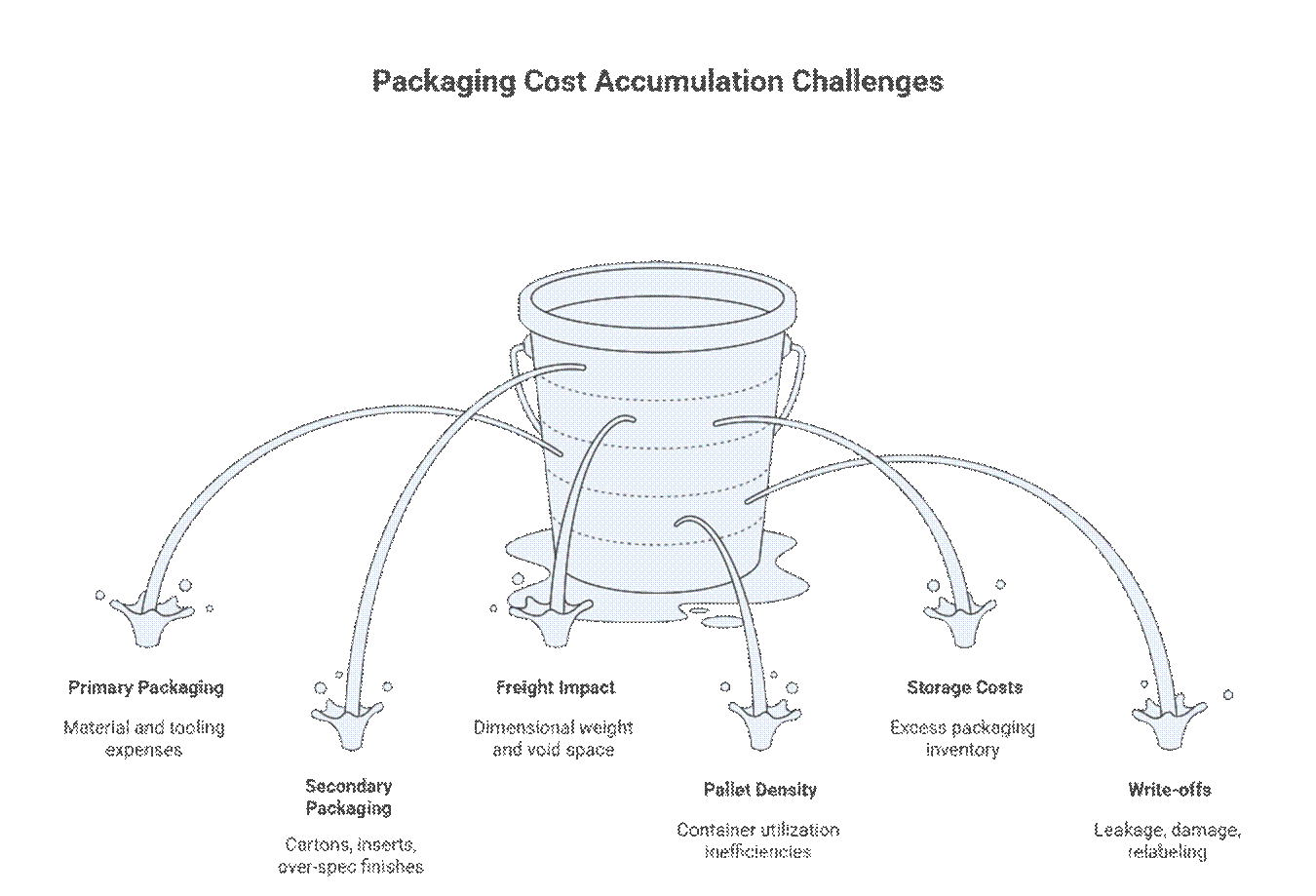
- Inefficient packaging decisions compound costs across the supply chain:
- Freight costs increase due to poor pallet density and dimensional weight penalties.
- Storage costs rise as excess or slow-moving packaging inventory accumulates.
- Obsolescence accelerates when packaging must be revised due to SKU, claim, or regulatory changes.
- Returns and write-offs increase from leakage, transit damage, and relabeling requirements.
- For B2B procurement teams, success is not driven by material price alone:
- The objective is reduce packaging costs at the landed-cost level, not just the unit level.
- OEM packaging optimization focuses on total cost ownership—packaging, freight, inventory risk, and margin protection working together.
When packaging is evaluated as a full system rather than a standalone component, procurement teams can unlock meaningful landed-cost savings across freight, pallet density, storage, and reduced write-offs—without changing formulation or quality standards.
Procurement takeaway:
Optimizing packaging cost in isolation is ineffective. Margin is protected when packaging is evaluated as a full landed-cost system, not a standalone material expense.
Typical Buyer Profile: Amazon Oral-Care Brand Owner
A fast-growing Amazon brand selling whitening mouthwash appeared profitable at the unit level, but cash tightened every quarter. Packaging MOQs were too high, cartons wasted pallet space, and minor leakage forced frequent replacements. Although sales kept rising, working capital stayed locked in slow-moving packaging inventory.
After restructuring packaging formats, staging MOQs, and improving pallet density, the brand reduced freight cost per unit and freed up cash—without changing formulation or retail pricing. This is a common scenario for DTC and marketplace sellers before true scale.
Mid-Article CTA #1: Packaging Cost Audit
Unsure how much margin is being lost through packaging, freight, or MOQs? Upload your current packaging specification and receive an OEM-level landed-cost review. (www.ruiqigo.com )
Biggest Margin Killers in OEM Oral-Care Packaging for Scale
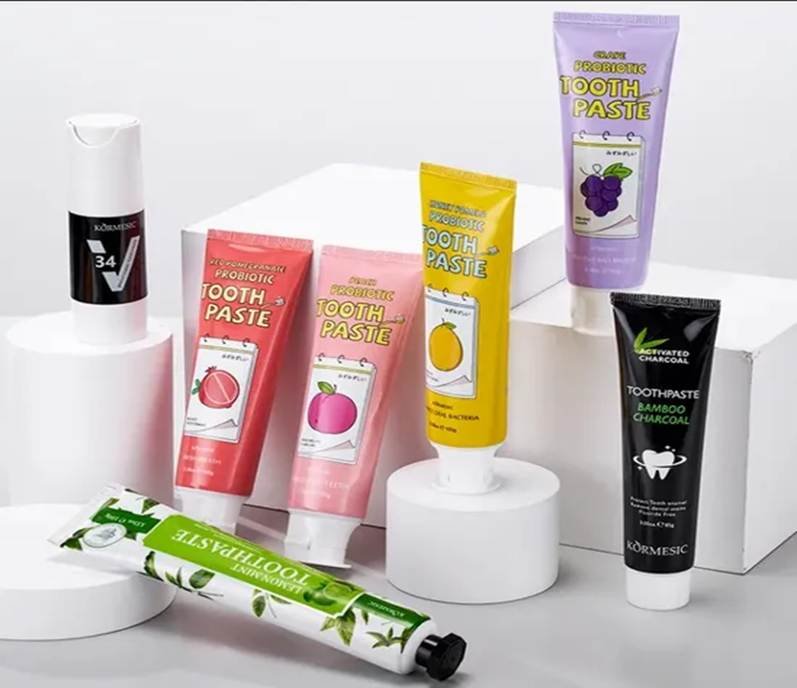
Over-Specified Cartons (Oral-Care Examples)
- Using rigid cartons for foil film packets, even when the primary packaging already provides sufficient barrier protection, increases material cost, freight weight, and pallet inefficiency without reducing damage risk.
- Applying decorative finishes (spot UV, embossing, specialty coatings) to hotel amenity packaging adds cost without improving buyer acceptance or reorder velocity.
- Double-boxing liquid mouthwash “for safety” is common but ineffective—raising carton cost and freight charges while failing to address the true risk: seal integrity.
Common oral-care failure modes caused by over-specification:
- Mouthwash bottle leakage saturates outer cartons, resulting in full-case rejection and write-offs.
- Toothpaste tubes burst during compression when rigid cartons transfer force instead of absorbing it.
- CPC-containing formulas react with incompatible liners or coatings, triggering odor issues, staining, or compliance flags.
- Over-specification increases freight, not protection.
- Rigid cartons often amplify compression damage.
- Leakage losses usually originate at the closure—not the bottle.
Oral-care risk to flag:
Paying for retail-grade packaging protection for non-retail channels (DTC refills, hospitality, sampling) inflates landed cost without improving performance—quietly eroding margin at scale.
Wrong MOQ Decisions (SKU-Specific)
Applying the same packaging MOQ to Amazon DTC, hotel amenities, and export test SKUs is a frequent cause of avoidable inventory loss.
- DTC SKUs require iteration flexibility.
- Hospitality SKUs prioritize cost and short shelf life.
- Export SKUs face regulatory uncertainty.
When MOQs ignore channel realities, brands accumulate dead stock and undermine packaging cost optimization.
Procurement risk example:
A minor SKU revision triggered by a claim adjustment rendered an existing carton non-compliant, resulting in $18,000 in unusable packaging inventory and delayed shipments.
Commercial impact: excess MOQ + limited shelf-life = forced write-offs.
Mid-Article CTA #2: MOQ Advisory
Scaling volumes or launching new SKUs? Our OEM team can help stage packaging MOQs to protect cash flow and reduce write-off risk before your next run. (www.ruiqigo.com – TBC)
Air Freight Dependency (Liquids & Leak Risk)
Liquid oral-care SKUs are highly exposed to packaging margin loss when packaging failures force unplanned logistics escalation.
- Spray caps that fail pressure tests leak in transit.
- Bottle leakage discovered post-production triggers emergency air freight.
- Rigid bottles increase dimensional weight and weaken packaging freight optimization.
Oral-care specificity:
CPC mouthwash leakage frequently triggers last-minute air freight—avoidable with the right packaging MOQ strategy and format validation.
Mini Case:
How Packaging Failure Triggered $22,000 in Avoidable Costs
A growing oral-care brand scaled a CPC mouthwash using a rigid bottle with an unvalidated spray cap. Minor leakage appeared only after pallets were staged for export. To avoid missing a retailer onboarding window, the brand air-freighted replacement inventory while reworking damaged cartons. Emergency freight, repacking labor, and discarded packaging exceeded $22,000—excluding lost margin. After switching to a pressure-validated closure and reducing carton void space, subsequent shipments moved via sea freight with zero leakage. The formula never changed—the packaging system did.
Over-Specification — When “Premium” Becomes Waste
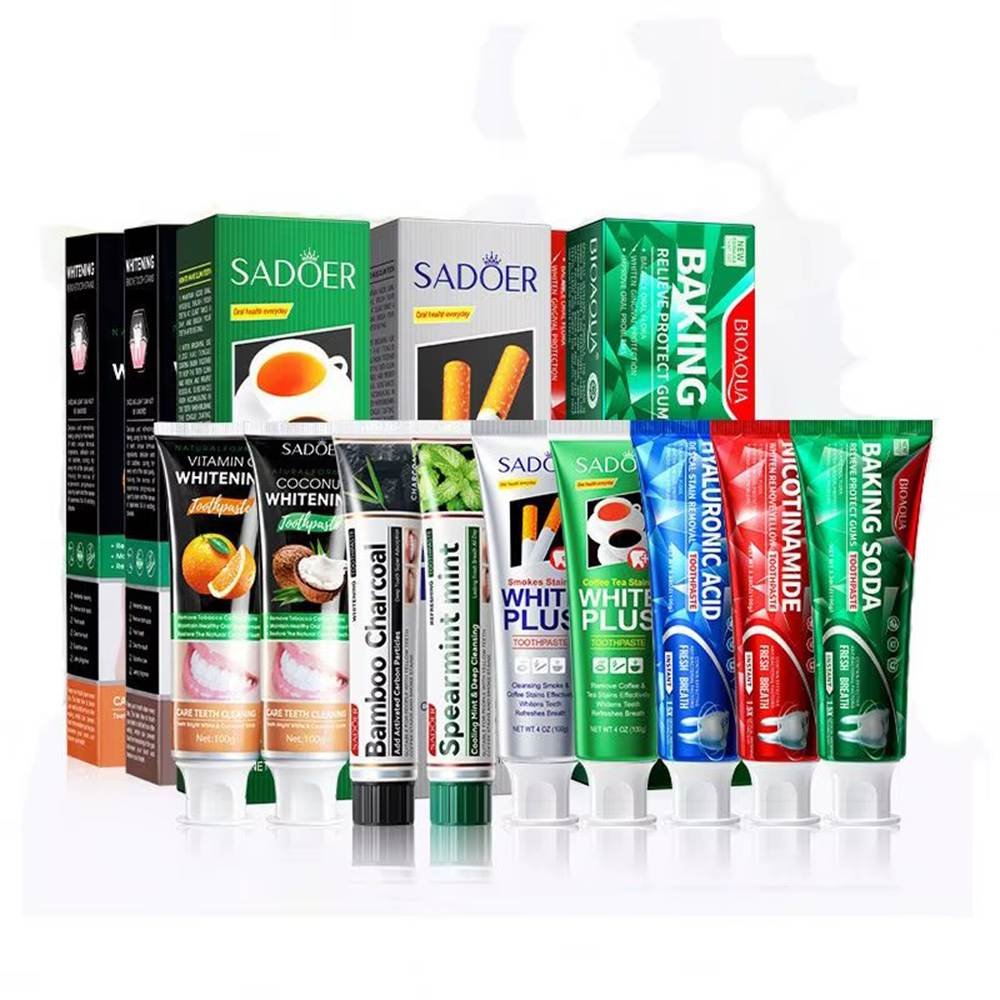
- Retail-grade packaging is frequently applied to channels where it delivers no commercial benefit, including:
- Amazon fulfillment
- Subscription refills
- Hospitality amenities
Without drop-test or compression validation, premium packaging raises landed cost without improving sell-through.
OEM takeaway:
Premium ≠ profitable.
OEM Takeaway Callout #1 (Procurement Note):
Premium packaging increases landed cost across freight, pallet density, and obsolescence—without improving sell-through or buyer acceptance in non-retail channels.
MOQ Misalignment and Capital Lock-Up
Packaging MOQs that are not aligned to real demand and regulatory risk are a primary cause of cash lock-up in oral-care manufacturing.
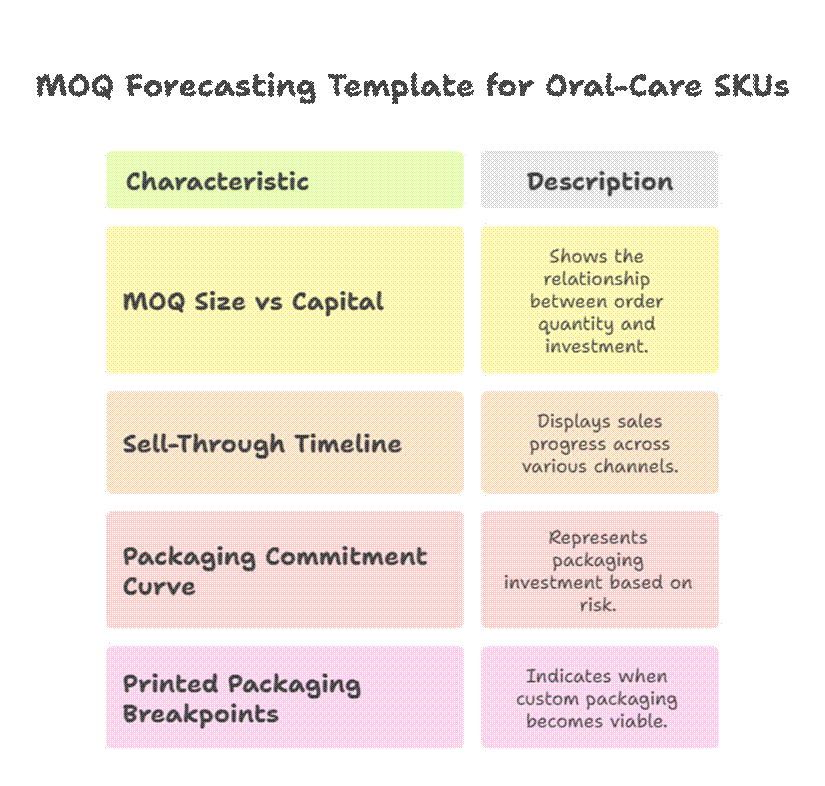
Oral-Care MOQ Forecasting Template
Procurement teams should model the following variables before locking packaging MOQs:
- SKU velocity by channel
- Shelf life vs reorder cycle
- Regulatory revision risk
- CPC active stability vs packaging shelf life
Why printed packaging should trail formulation lock:
Finalizing printed components before formulation and claims are locked dramatically increases the risk of unusable inventory.
Capital efficiency note:
Neutral or semi-neutral packaging improves cash velocity by allowing inventory to be redeployed across channels or rebranded after validation.
Procurement takeaway:
Effective MOQ forecasting balances speed, compliance, and capital efficiency—reducing cash lock-up while preserving flexibility during scale.
Air Freight and Dimensional Inefficiency (Liquids Focus)
Liquid oral-care packaging is penalized by space before weight, making =packaging freight optimization for liquid oral-care products critical.
- Poor pallet density reduces container utilization efficiency for mouthwash packaging.
- Void space inflates landed cost.
- Bottles and oversized cartons introduce void space that compounds across pallets and containers, reducing total shippable units and inflating landed cost as volume scales.
- Dimensional inefficiency accelerates landed cost inflation caused by packaging design.
Container Utilization Table (Liquid Oral-Care Packaging)
| Metric | Rigid Bottle Format | Optimized Packaging Format (e.g., flat pouch/sachet) |
| Units per pallet | 1,200 units | 3,000 units |
| Units per 40ft container | 48,000 units | 120,000 units |
| Freight cost per container | $6,000 | $6,000 |
| Freight cost per unit | $0.125 | $0.050 |
| Leakage/damage risk | Medium–High | Low |
| Landed cost impact | High freight + high loss exposure | Lower freight + reduced write-offs |
Procurement insight:
Improving container utilization often reduces freight cost per unit by 50–60%, even when material costs remain unchanged.
Freight / Pallet Density Comparison
| Metric | Rigid Bottle Packaging | Optimized Packaging Format |
| Pallet fill rate (% utilized space) | 55–60% | 85–90% |
| Cost per pallet (freight + handling) | $180 | $180 |
| Units per pallet | 1,200 units | 3,000 units |
| Freight cost per 10,000 units | $1,500 | $600 |
| Estimated margin recovered | — | +$900 per 10,000 units |
Margin recovery driver:
Packaging dimensional efficiency increases pallet density, lowers freight per unit, and reduces emergency air freight risk—directly restoring margin without touching formulation or pricing.
Mid-Article CTA #3: Upload your packaging spec sheet → receive a 48-hour OEM audit
Not sure how much margin you’re losing on packaging?
Identify leakage risk, over-spec, and landed-cost inefficiencies before your next run.
Packaging Pivot Case — Bottle vs Single Sachet Packet Mouthwash
This comparison shows why OEMs frequently recommend a single sachet packet mouthwash format as a strategic complement—or alternative—to traditional bottles. As brands move from pilot volumes to national distribution, selecting the right mouthwash packaging for scale becomes a commercial decision that directly affects freight efficiency, leakage risk, and multi-channel flexibility.
Cost Comparison Example
Scenario: 250ml Mouthwash Bottle vs Single Sachet Packet Mouthwash (portable format)
| Cost Factor | 250 ml Mouthwash Bottle | Single Sachet Packet Mouthwash |
| MOQ | High (tooling + printed components) | Low (flexible film, faster setup) |
| Freight cost | High (rigid, poor pallet density) | Low (flat, space-efficient) |
| Leak risk | Medium–High (cap and seal failure) | Low (heat-sealed sachet) |
| TSA compliant | No | Yes |
| Hotel amenity fit | Poor (size, cost, leakage) | Excellent (portion control, low risk) |
| Channel flexibility | Limited | High (DTC, retail trial, hospitality) |
| Write-off exposure | High if SKU changes | Low, easier to redeploy |
Commercial interpretation:
While bottles remain necessary for core retail SKUs, sachet formats dramatically reduce packaging and freight risk during early scale, testing phases, and multi-channel expansion.
OEM Takeaway Callout #2
Single sachet packet mouthwash reduces MOQ risk and unlocks multi-channel scaling.
Procurement takeaway:
Packaging pivots are not downgrades—they are risk-management tools. The right format at the right stage protects margin, speed, and optionality as volume grows.
Cost Model Comparison
Packaging decisions should be evaluated on total landed cost, not material price alone.
Table 1: Packaging Cost Breakdown (Per 10,000 Units)
| Cost Component | Rigid Bottle Packaging | Optimized Packaging Format | Landed-Cost Impact (Procurement View) |
| Material | $4,200 | $3,100 | Higher material cost locked into high MOQ |
| Labor | $1,100 | $900 | Faster packing with simpler formats |
| Freight | $1,500 | $600 | Major savings from pallet density |
| Storage | $800 | $300 | Less space, lower inventory aging |
| Total Cost | $7,600 | $4,900 | Less space, lower inventory aging |
Procurement insight:
Freight and storage—not materials—are the largest drivers of landed cost variance.
Table 2: Container Utilization Comparison
| Metric | Rigid Bottle Packaging | Optimized Packaging Format | Landed-Cost Impact |
| Units per pallet | $1,200 | $3,000 | Higher pallet efficiency |
| Units per container | 48,000 | 120,000 | Fewer containers required |
| Freight cost per container | $6,000 | $6,000 | Fixed container cost |
| Freight cost per unit | $0.125 | $0.050 | 60% reduction per unit |
| Risk of damage/leakage | Medium–High | Low | Lower write-off exposure |
Procurement takeaway:
Packaging formats that improve container utilization consistently deliver lower landed cost, fewer write-offs, and higher margin stability—even when material savings appear modest.
Operational Packaging Strategy for Scale
Scaling oral-care SKUs profitably requires packaging systems that are engineered for manufacturing reality—not just shelf appearance. At Ruiqigo, our packaging engineers evaluate seal integrity, pallet density, and compliance risk together—so packaging decisions protect margin as volume increases, rather than breaking under scale pressure.
Design for Manufacturing (DFM)

- Seal integrity for liquids
- Spray vs flip-cap failure modes
- QC validation points built into production
- Toothpaste tube compression testing
- Design for Manufacturing reduces downstream write-offs.
- QC must mirror real transit conditions.
- Packaging that scales is validated under volume pressure.
Procurement takeaway:
Design for Manufacturing ensures packaging decisions support seal integrity, transit durability, and quality control at scale—protecting landed cost, reducing failures, and enabling predictable growth across channels.
Align Packaging With Batch Strategy
- Separate primary packaging from printed components
- Delay branding until SKU certainty is established
- Use neutral packaging during the early scale
Procurement benefit:
Aligning packaging with batch strategy improves capital turnover by reducing cash tied up in unusable printed inventory, shortening inventory aging, and allowing faster reinvestment into growth-critical SKUs.
Regulatory & Sustainability Flexibility
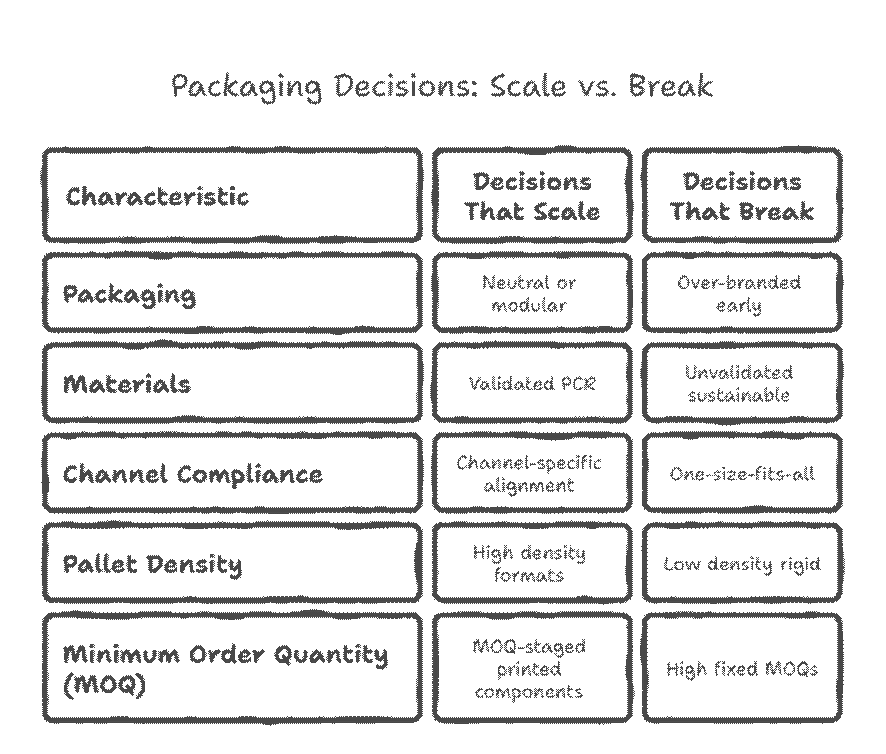
- PCR-plastic feasibility for mouthwash
- Retail vs marketplace packaging requirements
- Avoiding forced redesigns
Procurement takeaway:
Packaging that scales is designed for regulatory change, sustainability evolution, and channel expansion—while packaging that breaks locks brands into costly redesign cycles as volume grows.
OEM Takeaways for Procurement Teams
- Packaging is a cost system, not a design task
- Oral-care liquids demand leak-first thinking
- MOQ flexibility protects both cash and speed
- Good OEMs design packaging backward from logistics
- Procurement success metric
Conclusion (Commercial Close)
Most brands don’t lose margin on product—they lose it on packaging decisions made too early and scaled too fast. Oral-care packaging mistakes compound silently through freight inefficiencies, excess MOQs, leakage losses, and forced redesigns. With OEM-led packaging cost optimization, brands can recover margin without compromising quality, compliance, or scalability—by treating packaging as a commercial system engineered for growth, not a fixed design choice.
FAQs
Q1. How should MOQ be balanced against oral-care shelf life?
Packaging MOQs should be aligned to realistic sell-through timelines, not forecasted peak demand. For oral-care SKUs with limited shelf life or evolving claims, staged MOQs and neutral packaging reduce the risk of obsolescence and forced write-offs.
Q2. How often must oral-care packaging be re-validated?
Packaging should be re-validated whenever there is a change to formulation, active ingredients, packaging materials, suppliers, or distribution channels. Liquids and CPC-containing products require more frequent validation due to leakage and compatibility risk.
Q3. Does neutral packaging improve capital turnover?
Yes. Neutral or semi-neutral packaging allows inventory to be redeployed across channels or relabeled after validation, reducing cash lock-up and improving inventory turnover during early scale.
Q4. Should packaging be designed before formulation?
No. Packaging should follow the formulation lock. Designing packaging too early increases the risk of incompatibility, compliance revisions, and unusable printed inventory.
Q5. Do retailers require specific packaging certifications?
Many retailers require proof of drop testing, compression testing, material safety, and transit validation. Packaging that passes marketplace or DTC standards may still fail retail onboarding audits.
Q6. Is PCR-plastic viable for mouthwash?
PCR plastic can be viable, but it must be validated for chemical compatibility, odor migration, and stress resistance—especially for alcohol-based or CPC-active mouthwash formulas.
Q7. When should packaging be re-evaluated?
Packaging should be re-evaluated before any major MOQ increase, channel expansion, formulation change, or regulatory update to prevent scaling inefficiencies and margin loss.
Final CTA: Request Packaging Optimization Consultancy (OEM-backed)
Recover margin before your next production run.
Speak with an OEM team that optimizes packaging for cost, compliance, and scale.