Table of Contents
Tonsil stones, also called tonsilloliths, form when food debris, bacteria, dead cells and mucus become trapped inside small pockets in the tonsils. Over time, this material may harden and produce an unpleasant sulfur-like odor.
Mouthwash cannot remove every established tonsil stone or prevent all recurrence. However, the right type of rinse may help reduce odor-causing bacteria, loosen debris and support a cleaner oral environment. This guide compares the main mouthwash categories commonly considered for tonsil-stone management and explains how to use them safely.

I. Why Ordinary Mouthwash May Not Be Enough for Tonsil Stones
Lily thought any mouthwash would help—she grabbed a $5 bottle from the drugstore, swished it around for 10 seconds, and called it a day. But a week later, she was still coughing up stones. Her dentist explained why: regular mouthwashes only clean the easy-to-reach parts of your mouth—your teeth, gums, maybe the front of your tongue. They don’t get into the deep, little pockets on your tonsils where stones form.
1.The reason regular mouthwash fails
Regular mouthwashes only clean easy-to-reach areas: teeth, gums, and the front of the tongue. They can’t reach the deep, tiny pockets on the tonsils—this is where food scraps, bacteria, and mucus accumulate to form stones. Lily’s first cheap minty mouthwash never touched these pockets, so the stones kept forming.
2.Three Features to Look for in a Tonsil-Stone Mouthwash
A mouthwash intended to support tonsil-stone management should generally focus on three practical functions:
- Odor control: Ingredients such as zinc compounds may help neutralize volatile sulfur compounds associated with unpleasant breath.
- Bacterial control: Antimicrobial ingredients such as CPC may help reduce some of the odor-producing bacteria present in the mouth.
- Daily-use comfort: Alcohol-free and lower-irritation formulas may be more suitable for frequent rinsing, particularly for users who experience dryness or sensitivity.
Mouthwash should be treated as part of an oral-hygiene routine rather than as a guaranteed treatment for existing or recurring tonsil stones.
That’s why an antibacterial mouthwash (with stuff like cetylpyridinium chloride, or CPC) worked for Lily. It kills the bacteria in those deep pockets—she noticed the stones smelled way less after using it for a few days. Fluoride mouthwash mainly helps prevent tooth decay and strengthen tooth enamel, which isn’t its main role in tackling tonsil stones. It can assist in overall oral cleaning, but to target tonsil stones, you still need options with antibacterial ingredients (like CPC) or mucus-thinning ones (like guaifenesin) as mentioned in the document.
From a manufacturing perspective, effective tonsil-stone mouthwash formulations require precise antibacterial systems and stability control.
II. Mouthwash Types Commonly Used for Tonsil-Stone Management
Lily isn’t the only one who tested tonsil stone-friendly mouthwash—her dentist, sister, and my coworker Mark (a long-time tonsil stone sufferer) all have go-to picks that delivered real results.
1.Alcohol-Free Antibacterial Mouthwash
Alcohol-free mouthwash is often preferred for regular use because it is less likely to produce the strong burning sensation associated with high-alcohol rinses. This may be particularly helpful for people who experience oral dryness or throat sensitivity.
Some alcohol-free formulas contain cetylpyridinium chloride, commonly known as CPC. CPC may help reduce odor-causing bacteria and plaque, although the performance of a formula depends on the concentration, supporting ingredients and intended use.
Alcohol-free does not automatically mean that a mouthwash is suitable for tonsil stones. Review the active ingredients and follow the product directions rather than relying only on the front-label claim.
Brands evaluating this category may also review current alcohol-free mouthwash market and formulation trends.
2. Chlorhexidine Mouthwash
Chlorhexidine is a strong antimicrobial ingredient commonly used in professional oral-care settings. It may be recommended for short-term bacterial control in specific situations, but it is not normally intended as an unrestricted daily mouthwash.
Longer or inappropriate use may contribute to tooth staining, taste disturbance and increased calculus formation. Chlorhexidine mouthwash should therefore be used only according to the product instructions and, where appropriate, under guidance from a dentist or healthcare professional.
It should not be presented as a guaranteed treatment for removing tonsil stones.
3. Zinc-Containing Mouthwash
Zinc-containing mouthwash may help reduce unpleasant breath by binding with or neutralizing volatile sulfur compounds. This makes zinc particularly relevant when odor is the main concern associated with tonsil stones.
Some zinc formulas are combined with xylitol, humectants or soothing ingredients to improve daily-use comfort. Buyers should still check whether the product contains alcohol, strong flavor systems or other ingredients that may cause irritation.
Zinc may support odor control, but it does not physically remove deeply embedded stones or address an underlying tonsil condition.
III. How to Use Mouthwash Safely When You Have Tonsil Stones
1. Follow the Label Directions
Use only the volume and rinsing time stated on the product label. Using more mouthwash or rinsing for longer does not necessarily improve performance and may increase irritation.
2. Rinse and Gargle Gently
Gently swish the mouthwash around the mouth. Gargling may help the liquid reach farther toward the back of the mouth, but it should not be forceful or uncomfortable.
3. Do Not Swallow the Mouthwash
Spit out the rinse completely after use. Do not swallow mouthwash, especially products containing active antimicrobial ingredients.
4. Avoid Digging or Pressing the Tonsils
Do not insert hard objects, cotton swabs or oral tools deeply into the tonsil pockets. Aggressive removal attempts can cause bleeding, irritation or infection.
5. Seek Professional Advice for Persistent Symptoms
Consult a dentist, doctor or ENT specialist when tonsil stones are frequent, painful, unusually large or associated with swallowing difficulty, fever, bleeding or persistent one-sided symptoms.
IV. Formulation Considerations for Tonsil-Stone Mouthwash
From a manufacturing perspective, a mouthwash positioned for tonsil-stone or odor-management use requires more than a strong mint flavor. Developers must balance antimicrobial performance, sulfur-odor control, oral comfort, flavor intensity, pH, preservative efficacy and formula stability.
Claims also need to match the supporting ingredients and regulatory route of the target market. A cosmetic mouthwash should not be marketed as curing, treating or permanently preventing a medical condition unless the product follows the applicable regulatory pathway.
These considerations form part of a broader oral care formulation and manufacturing process covering product development, testing, packaging and commercial production.
V. Summary
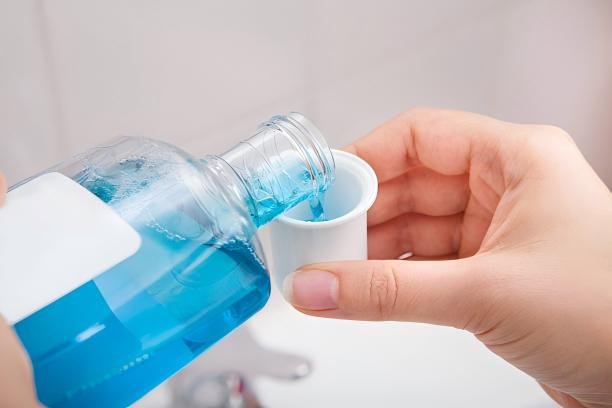
No mouthwash can guarantee the complete removal or permanent prevention of tonsil stones. However, alcohol-free antibacterial rinses, zinc-containing formulas and professionally directed chlorhexidine products may support odor control and oral hygiene in appropriate situations.
For regular use, prioritize a comfortable formula, follow the label instructions and avoid aggressive attempts to remove stones manually. Recurrent or severe tonsil stones should be assessed by a qualified healthcare professional.
For brands developing specialized mouthwash products, explore our formulation and R&D capabilities.
Developing a Specialized Mouthwash Formula?
RuiqiGO supports oral-care brands with formulation assessment, ingredient selection, packaging coordination and commercial manufacturing. Explore our Oral Care Manufacturing capabilities to understand the development process for specialized mouthwash products.
FAQs
What type of mouthwash is best for tonsil stones?
A: An alcohol-free mouthwash containing ingredients for bacterial or odor control, such as CPC or zinc, may help some users manage unpleasant breath and improve oral hygiene. However, no mouthwash can guarantee the removal or prevention of all tonsil stones.
Can mouthwash completely remove tonsil stones?
A: Mouthwash may loosen small amounts of debris or help reduce the bacteria and odor associated with tonsil stones, but it may not remove stones that are deeply embedded in the tonsils. Persistent or large stones should be assessed by a healthcare professional.
Is alcohol-free mouthwash better for tonsil stones?
A: Alcohol-free mouthwash may be more comfortable for frequent use because it is less likely to cause a strong burning sensation or contribute to oral dryness. Its effectiveness still depends on the active ingredients and overall formulation.
Does chlorhexidine mouthwash help with tonsil stones?
A: Chlorhexidine may reduce oral bacteria in certain short-term situations, but it is not a guaranteed tonsil-stone treatment and is not normally intended for unrestricted long-term use. Follow the product directions and seek professional guidance when necessary.
Does zinc mouthwash help with tonsil-stone odor?
A: Zinc compounds may help neutralize volatile sulfur compounds associated with unpleasant breath. This may improve odor control, although zinc mouthwash does not necessarily remove the stones themselves.
When should I see a doctor about tonsil stones?
A: Seek medical or dental advice when tonsil stones are frequent, painful, unusually large, associated with fever or bleeding, cause difficulty swallowing, or repeatedly occur on only one side. These symptoms may require professional evaluation.